

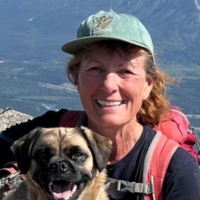
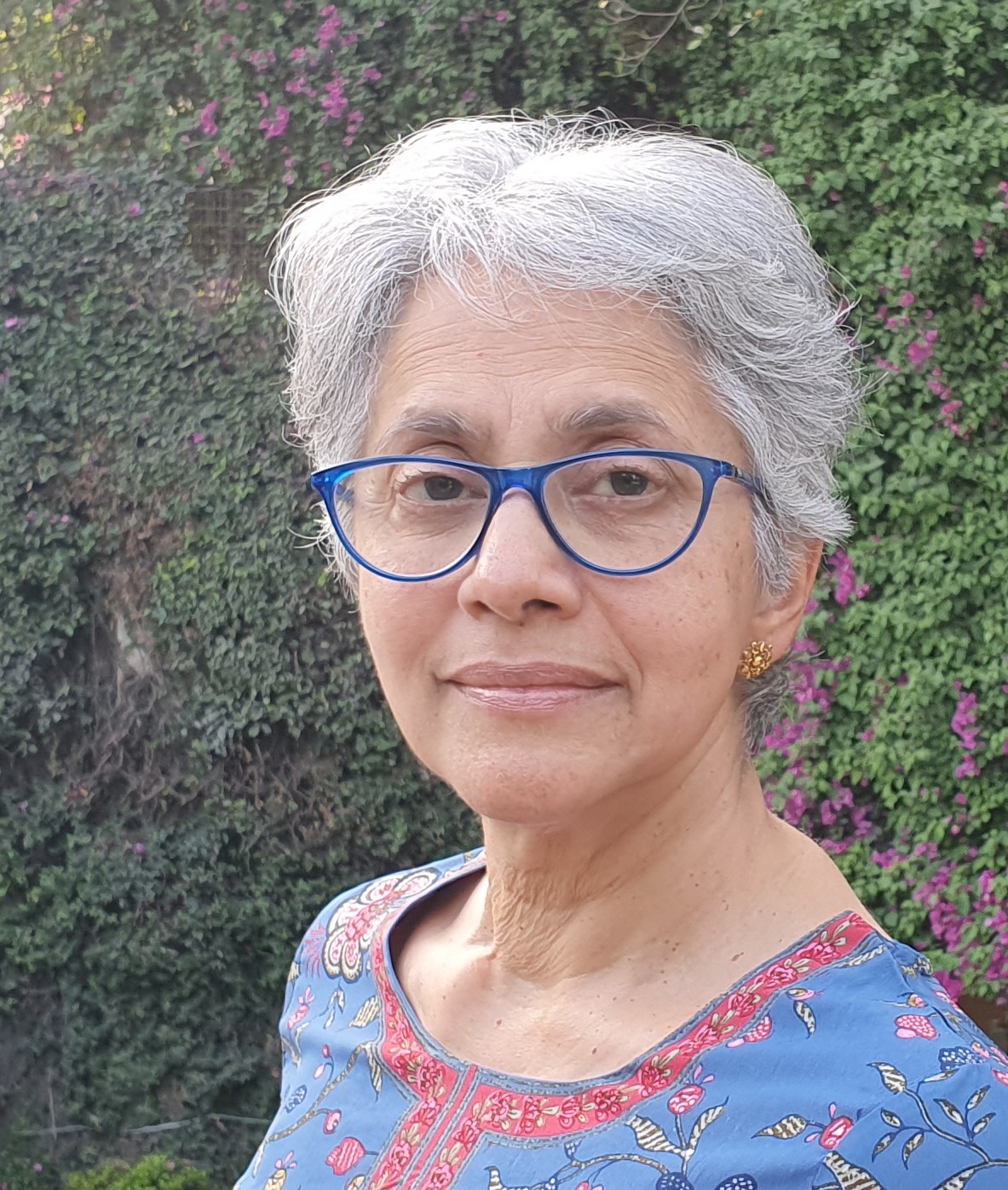


Fair Observer’s Editor-at-Large Ranjani Iyer Mohanty and lifelong hiker Christine Gabriel explore the enduring appeal of hiking, the skills it demands and the environmental changes reshaping trails around the world. Drawing on decades of experience across Canada and abroad, Gabriel reflects on how hiking builds resilience, community and appreciation for nature. She also explains practical advice for beginners, trail etiquette and the responsibility hikers have to preserve wild places for future generations.
 Spotify
 Amazon Music
Hiking as a lifelong passion
Mohanty begins by highlighting Canada’s remarkable hiking culture. Hiking surged during the Covid-19 pandemic and has remained popular ever since, with Canada now boasting one of the world’s largest and most highly regarded trail networks. Gabriel hiked with her parents frequently in the Rocky Mountains when she was young, so for her, the experience is far more than a recreational pastime. The gift of the outdoors became part of her life and who she is at the core.
Gabriel believes that genuine appreciation for nature cannot simply be inherited. While parents can introduce children to hiking, individuals must ultimately discover that passion for themselves. She compares this process to developing one’s own faith, arguing that meaningful connections with the outdoors come through personal experience rather than obligation.
The two also compare their definitions of hiking. Mohanty sees it as an enjoyable walk through scenic landscapes. Gabriel, on the other hand, feels a true hike involves preparation, carrying essential equipment and earning the destination through physical effort. As she puts it, “I think there’s something about working for the view.”
Lessons from trails around the world
Gabriel recounts memorable hikes that illustrate how different landscapes offer distinct experiences. She describes demanding mountain routes in Alberta’s Kananaskis Country, including Centennial Ridge, where long distances, steep elevation gains and changing weather require careful preparation and teamwork. She also recalls lighter adventures, from hiking to historic ruins in Scotland to combining cycling and hiking through British Columbia’s wine country.
International travel has broadened her perspective. In New Zealand, she enjoyed multi-day trekking between mountain huts without worrying about dangerous wildlife. In Turkey, a guided hike through waterfalls was matched by the traditional breakfast that followed. Meanwhile, walking the Camino de Santiago through Portugal and Spain offered something different altogether. Rather than focusing on reaching dramatic viewpoints, the pilgrimage emphasized reflection, conversation and the simple rhythm of walking.
Whether hiking alone or with companions, Gabriel finds value in every experience. Solo hikes encourage introspection and often lead to conversations with fellow travelers, while group hikes foster storytelling and friendship. Long hours on the trail naturally create space for people to share their lives as they walk together.
Safety, respect and hiking culture
Much of the discussion centers on the practical realities of hiking safely. Gabriel stresses the importance of preparation, including carrying water, proper clothing, navigation tools and bear spray when hiking in the Canadian Rockies. She encourages beginners to hike with experienced partners and research trails carefully before setting out.
Although bears frighten many newcomers, Gabriel says that fear should not overshadow respect for them. She tells anxious hikers they would be fortunate to encounter one from a safe distance because wildlife sightings are relatively rare. Simultaneously, she emphasizes making noise on trails and understanding how to respond appropriately if wildlife appears.
Gabriel delves into trail etiquette as well. She strongly dislikes loud music played through portable speakers because it disrupts hikers and wildlife. She prefers conversation or singing, which helps alert bears while preserving the atmosphere of the wilderness. “To me, it changes the nature of the hike to have piped music in,” she says.
Mohanty also raises one of hiking’s most contentious debates: whether dogs should remain on leashes. Gabriel acknowledges the arguments on both sides, recognizing concerns about wildlife and safety while admitting she generally prefers allowing dogs more freedom when conditions permit. Responsible hikers must ultimately respect both regulations and fellow trail users.
Protecting trails for future generations
The discussion concludes by examining the growing pressures facing natural landscapes. Gabriel notes that increased visitation has brought both benefits and challenges. Popular destinations now require shuttle systems, reservations or permits to manage crowds, while fees increasingly support trail maintenance and environmental protection. Although these measures require additional planning, she believes they help preserve fragile places such as British Columbia’s Lake O’Hara.
Gabriel has witnessed climate change firsthand. Floods, wildfires and shrinking glaciers have dramatically altered landscapes she has visited throughout her life. One particularly striking memory comes from British Columbia’s Mount Robson, where markers installed in 1911 now stand roughly 2.5 kilometers from the glacier’s current edge, illustrating how rapidly the ice has retreated. She warns that many glaciers across western Canada could disappear within decades if current trends continue.
Beyond climate change, Gabriel highlights smaller but significant human impacts such as trail cutting, litter and erosion. Every visitor, she states, has a responsibility to minimize damage and leave natural spaces in good condition for those who follow.
Ultimately, Gabriel views hiking as an opportunity to connect with something larger than oneself. Reflecting on her Christian faith, she describes nature as a second book (the first being the Bible) through which people can experience creation. She reminds hikers that enjoying these landscapes also carries an obligation to protect them. “They’re all there for us to enjoy and to take care of.”
[Lee Thompson-Kolar edited this piece.]
The views expressed in this article/podcast are the author’s own and do not necessarily reflect Fair Observer’s editorial policy.
The Mountain Doesn’t Care: A Swiss Perspective on Democracy’s Architecture
Michele Serra’s question about why people vote for scoundrels emphasizes deep differences in values shaped by personal experiences. Conversely, Swiss...
FO° Talks: Here’s Why More Americans Need to Grow Their Own Food
In this episode of FO° Talks, Roberta Campani and Rob Avis explore how America’s lawn space reflects a cultural barrier...

FO° Talks: Want to Save the Planet? Beavers Have the Answers
In this episode of FO° Talks, Roberta Campani and Rob Avis argue that humanity must move beyond both extractive growth...

FO° Talks: Regeneration Explained — Redesigning Our Planet, Our Food and Our Future
In this episode of FO° Talks, Roberta Campani and Rob Avis discuss regeneration as a philosophy that redefines humanity’s relationship...
A Magical Tale: Not Trekking in the Himalayas
Fate conspires against a CIA man’s plan to hike (trek in Indian English) in the Himalayas. A whirlwind of unplanned...
FO Podcasts: Canada’s Untold Role in Modern Conflicts
In this episode of FO Podcasts, Ranjani Iyer Mohanty and Muhannad Ayyash examine Canadian policy toward the Israel–Palestinian conflict through...

FO Podcasts: Making Sense of Trump’s Financial Controversies
In this episode of FO Podcasts, Casey Hermann and John Feffer examine Donald Trump’s alleged financial gains during his second...

FO Podcasts: Cockroach Chronicles — Making Sense of the CJP
In this episode of FO Podcasts, Ranjani Iyer Mohanty and Barun Mohanty examine how exam irregularities, limited educational opportunities and...

FO Podcasts: What the West Ignores About China’s Digital Nationalism
In this episode of FO Podcasts, Florian Schneider and Haruko Satoh argue that digital nationalism is a defining force shaping...

The Dialectic: Japan — The Aging Land of the Rising Sun
In this episode of The Dialectic, Atul Singh and Glenn Carle examine Japan’s transformation from a postwar economic giant into...

FO Podcasts: Why Narcoterrorism Still Matters
In this episode of FO Podcasts, Atul Singh and Jeffrey James Higgins examine how narcoterrorism combines organized crime, insurgency and...

FO Podcasts: The Big Paradox — Why Immigration Divides America Like Nothing Else
In this episode of FO Podcasts, Atul Singh and Kent Jenkins Jr. examine why Americans support strict border control but...

FO Podcasts: The Muslim Brotherhood Explained — Origins, Ideology and Global Influence
In this episode of FO Podcasts, Atul Singh and Cynthia Farahat examine the Muslim Brotherhood’s origins, debating whether it evolved...

China–Taiwan Tensions — Civil War Legacies and Geopolitical Chess
Since President Xi Jinping came to power in 2012, China has been acting more aggressively towards Taiwan. Tensions go back...

The Dialectic: Narendra Modi’s Vegetarian Stalinism Has Ruined the Indian Economy
In this episode of The Dialectic, Atul Singh and Glenn Carle explain how India’s current leader has rolled back the...

FO° Podcasts: Maduro, the War on Drugs and Trump’s Revival of the Monroe Doctrine
In this episode of FO° Podcasts, Atul Singh and Benjamin Delille examine US President Donald Trump’s confrontation with Venezuela, questioning...

FO° Podcasts: Myanmar Votes During a Civil War: Why This Election Could Tear the Country Apart
In this episode of FO° Podcasts, Rohan Khattar Singh and Asanga Abeyagoonasekera examine Myanmar’s December 28 elections against the backdrop...





Comment