



On The Dr. Rod Berger Show, Fair Observer’s Editor-at-Large, Dr. Rod Berger, speaks with Fair Observer’s Chair and Video Journalist, Claire Whitaker, about what journalists owe the people they film. Claire, a former Africa editor for video at Agence France-Presse (AFP) who now runs the London production company Sequentially, recalls arriving outside Nelson Mandela’s home to find a crowd singing liberation songs and standing barely a meter from Oscar Pistorius at his bail hearing. With Rod, she reflects on when a camera helps people tell their story and when it adds to their anguish.
 Spotify
 Amazon Music
A front-row seat to history
Claire remembers watching the evening news with her father as the Berlin Wall fell and Nelson Mandela walked free. By age 11 or 12, she wanted to follow the example of British war correspondent Kate Adie and see history unfold firsthand. Rod remembers watching 60 Minutes with his own father. Drawing on his background in mental health, he asks how reporters stay composed when the excitement of getting a story gives way to the reality of someone else’s suffering.
“When you’re out on a story, you’re often in that person’s life, capturing the worst day of their life,” Claire says. Sometimes that means approaching someone who has lost a child. The newsroom still needed footage for the evening broadcast, and she remembers occasions when a deadline made her hurry someone she later wished she had given more time.
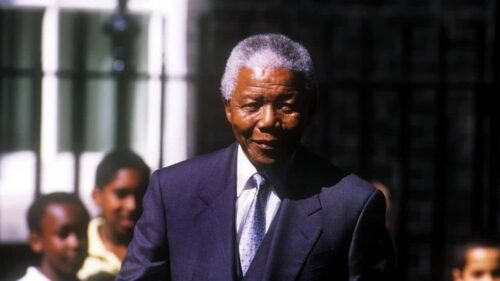
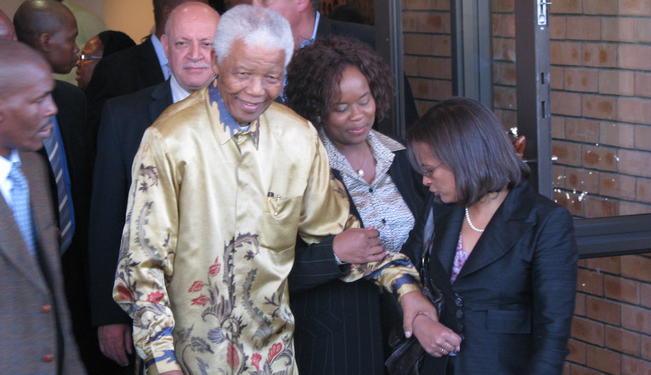
Claire was away hiking when Mandela died. She returned to Johannesburg, South Africa, and reached his home in Houghton around 1 or 2 AM. Outside, people danced and sang liberation songs. She had already arranged for someone to film, so she could stand and watch. Then came weeks of organizing extra help from London and Paris and keeping live broadcasts going.
What does another shot add?
After Paralympic and Olympic sprinter Oscar Pistorius shot model and paralegal Reeva Steenkamp, a friend’s contact let Claire into his gated community. She filmed the house and slipped the memory card into her sock before security guards made her and another journalist delete their footage. At the bail hearing, she stood about a meter from Pistorius with her camera raised. Outside, she watched photographers on motorbikes follow his car, hoping to catch a glimpse of him in distress.
Years later, Claire still wonders what getting every possible shot of Pistorius entering court added to the coverage. She felt a clearer sense of purpose reporting on the aftermath of the Marikana massacre, when police killed striking miners. The work still meant assembling interviews and footage under deadline. In Marikana, she could see what those interviews gave the miners: a chance to tell the public what was happening to them.
Where a short clip can lead
Rod worries that viewers who get their news in fragments may lose the habit of following a story from beginning to end. Claire sees a familiar behavior in a new format. People have long scanned headlines and chosen which stories to read. In training journalists at News UK to shoot videos on their phones, she helped newsrooms give audiences a way into stories through platforms such as TikTok and Instagram.
Claire has followed that path herself. She first encountered a Channel 4 News investigation into British politician Nigel Farage’s party finances through clips and then sought out the full report. Some viewers will stop at the clip, but others will find reporting they might otherwise have missed.
When the call feels different
Early in her career, Claire lobbied editors to send her out on stories. When AFP called during the attack on Nairobi’s Westgate Mall, her heart sank. She went and spent days and nights outside the mall waiting for developments. She continued in journalism, coordinating coverage from London, but her appetite for breaking news had begun to fade. She also made a deliberate choice to decline warzone assignments.
Claire encourages women to enter video journalism, pointing to lighter equipment while acknowledging risks such as the harassment she experienced covering elections in Zambia. She also remembers a man in a township riot warning her to duck before he threw a stone. Now, alongside her production and training work, she is drawn to slower, more analytical reporting. She can still follow a story closely, she tells Rod, without feeling she has to be the one who brings it back.
[Lee Thompson-Kolar edited this piece.]
The views expressed in this article/podcast are the author’s own and do not necessarily reflect Fair Observer’s editorial policy.
FO Talks: Why Social Media and Clickbait Are Undermining Journalism
In this episode of FO Talks, Roberta Campani and Esther Wojcicki discuss how social media economics, declining literacy and shrinking...

The New Journalism We Need for Our Troubled Times
Fair Observer’s founder and chief strategy officer reflect on corporate-controlled media and the rise of polarized news. Fair Observer promotes...


Nelson Mandela: Mahatma Gandhi’s Heir and Africa’s Greatest Son
Nelson Mandela’s life embodied the struggle against colonialism and apartheid. His leadership transformed South Africa through forgiveness, reconciliation and a...
FO Podcasts: Is Canada Looking to Form an Alliance With Europe?
In this episode of FO Podcasts, Ranjani Iyer Mohanty and David McKinnon examine how a deeper Canada–EU partnership could strengthen...

FO Podcasts: Canada’s Untold Role in Modern Conflicts
In this episode of FO Podcasts, Ranjani Iyer Mohanty and Muhannad Ayyash examine Canadian policy toward the Israel–Palestinian conflict through...

FO Podcasts: Making Sense of Trump’s Financial Controversies
In this episode of FO Podcasts, Casey Hermann and John Feffer examine Donald Trump’s alleged financial gains during his second...

FO Podcasts: Cockroach Chronicles — Making Sense of the CJP
In this episode of FO Podcasts, Ranjani Iyer Mohanty and Barun Mohanty examine how exam irregularities, limited educational opportunities and...
FO Podcasts: Stairways to the Skies — The Secrets of Hiking
In this episode of FO Podcasts, Ranjani Iyer Mohanty and Christine Gabriel discuss the appeal of hiking, drawing on her...

FO Podcasts: What the West Ignores About China’s Digital Nationalism
In this episode of FO Podcasts, Florian Schneider and Haruko Satoh argue that digital nationalism is a defining force shaping...

The Dialectic: Japan — The Aging Land of the Rising Sun
In this episode of The Dialectic, Atul Singh and Glenn Carle examine Japan’s transformation from a postwar economic giant into...

FO Podcasts: Why Narcoterrorism Still Matters
In this episode of FO Podcasts, Atul Singh and Jeffrey James Higgins examine how narcoterrorism combines organized crime, insurgency and...
FO Podcasts: The Big Paradox — Why Immigration Divides America Like Nothing Else
In this episode of FO Podcasts, Atul Singh and Kent Jenkins Jr. examine why Americans support strict border control but...
FO Podcasts: The Muslim Brotherhood Explained — Origins, Ideology and Global Influence
In this episode of FO Podcasts, Atul Singh and Cynthia Farahat examine the Muslim Brotherhood’s origins, debating whether it evolved...
China–Taiwan Tensions — Civil War Legacies and Geopolitical Chess
Since President Xi Jinping came to power in 2012, China has been acting more aggressively towards Taiwan. Tensions go back...

The Dialectic: Narendra Modi’s Vegetarian Stalinism Has Ruined the Indian Economy
In this episode of The Dialectic, Atul Singh and Glenn Carle explain how India’s current leader has rolled back the...





Comment