





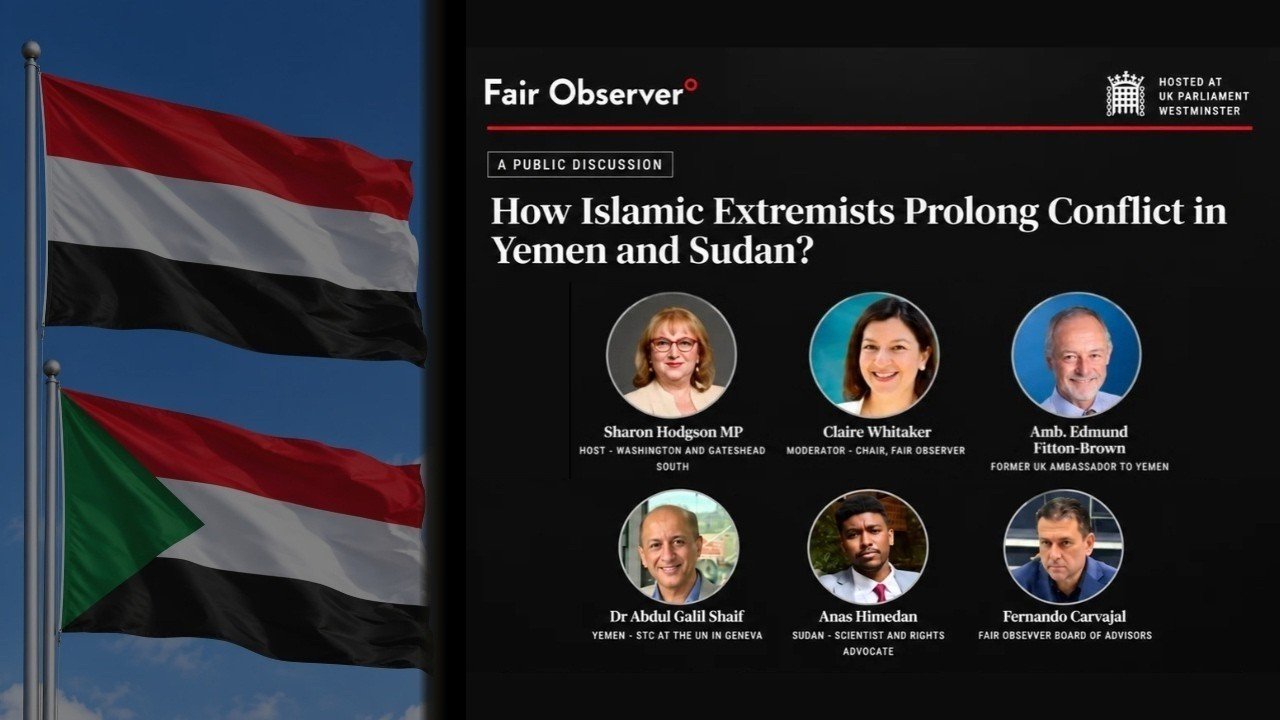
Fair Observer’s Editor-in-Chief, Atul Singh, speaks with Edmund Fitton-Brown, a former British ambassador to Yemen and former coordinator of the United Nations monitoring team for Islamic State, al-Qaeda and the Taliban. They trace the rise of the Houthis from a revivalist movement in northern Yemen to an armed force capable of disrupting global trade. For Fitton-Brown, the crisis in the Red Sea reflects a series of decisions inside Yemen that left the Houthis in a position to project power far beyond the country’s borders.
The roots of the Houthi rise
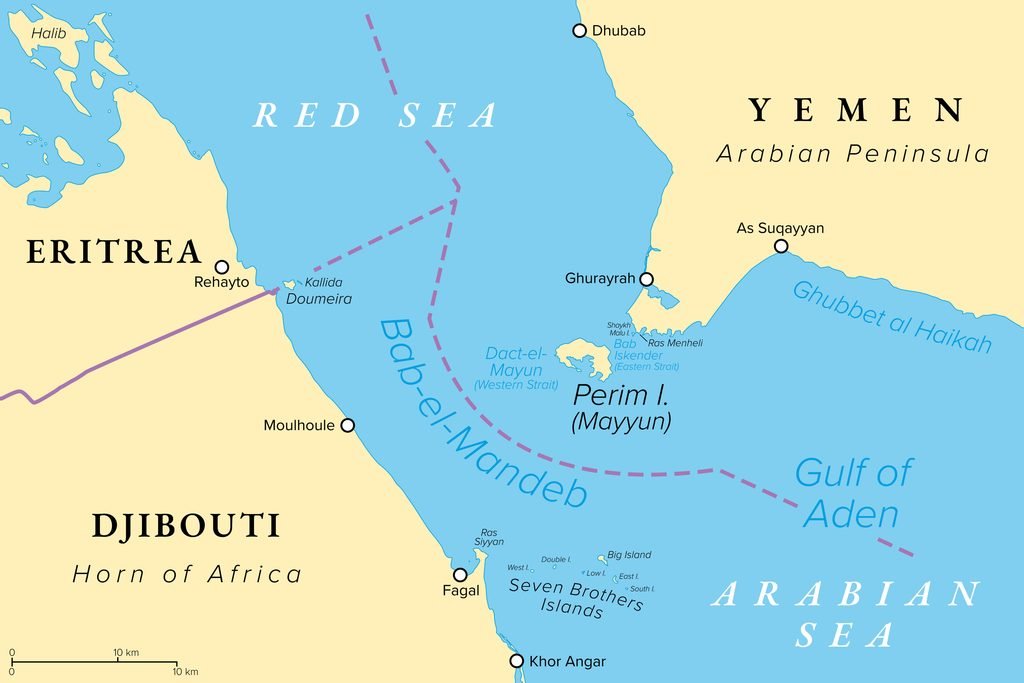
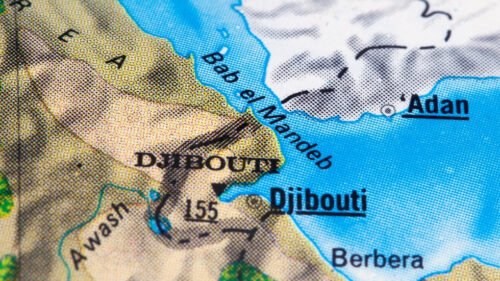
Singh begins by explaining the geography. The Bab el-Mandeb Strait connects the Gulf of Aden to the Red Sea, making it a gateway for ships headed to the Mediterranean through the Suez Canal. To explain how the Houthis gained influence over that route, Fitton-Brown goes back to Yemen’s political and religious divisions.
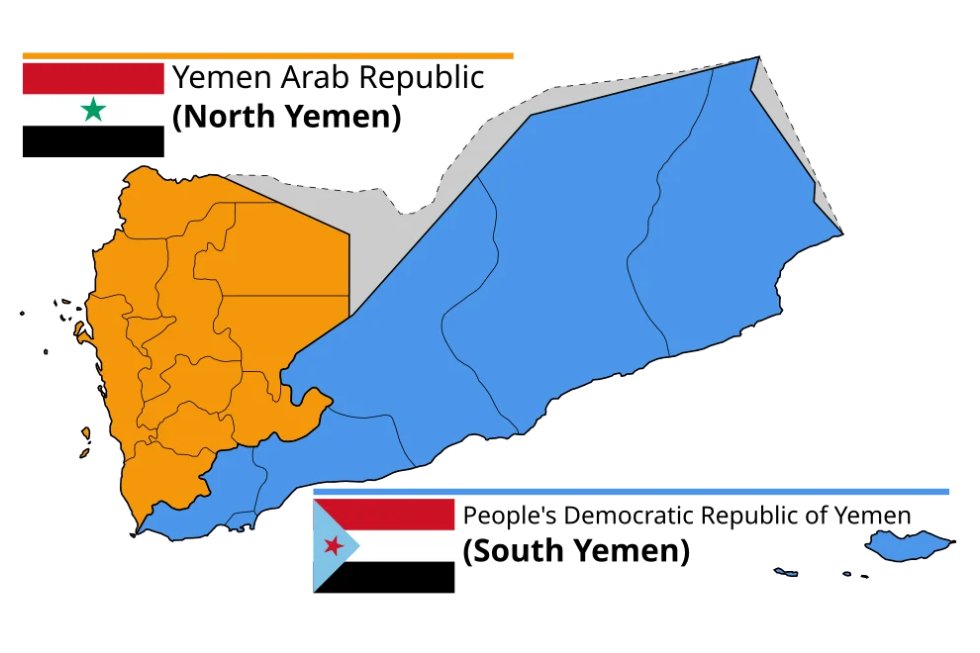
Until unification in 1990, the Yemen Arab Republic governed the north while the Soviet-aligned People’s Democratic Republic of Yemen governed the south and east. The two states left distinct political traditions. Fitton-Brown notes that some older southerners retain an affinity for the secular education they received under socialism. In the north, the Zaidi Shia community supplied the rulers of a centuries-old imamate. The Houthis see themselves as heirs to that tradition and portray their rise as the recovery of a political inheritance.
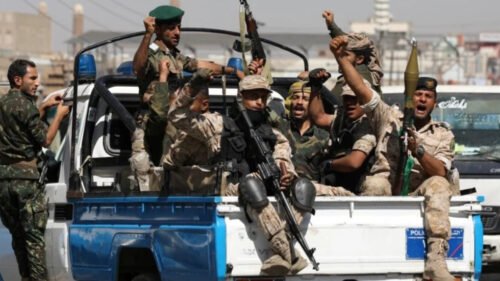
Fitton-Brown places the origins of the movement, formally known as Ansar Allah, in the Zaidi revivalism of the 1990s. He contends that Saudi-backed religious proselytizing alienated Zaidis and helped fuel that revival. Iran and Lebanon’s Hezbollah later provided training and technical assistance. After Yemeni forces killed founder Hussein al-Houthi in 2004, his younger brother Abdul-Malik eventually took charge. Fitton-Brown describes him as “tactically and strategically astute,” crediting him with turning a northern insurgency into a national force.
From national dialogue to civil war
The Arab Spring briefly opened a path to a more representative political order. Ali Abdullah Saleh, who had ruled North Yemen before becoming president of the unified country, handed power to his deputy, Abdrabbuh Mansur Hadi. Yemen’s National Dialogue brought together a wide range of constituencies, an effort Fitton-Brown recalls as evidence of how seriously Yemenis took the political transition.
Saleh then allied with the Houthis, his former enemies. They seized the capital, Sana’a, in 2014, and Hadi fled to the southern port city of Aden. In March 2015, a Saudi-led coalition intervened to restore the internationally recognized government. The intervention drew in neighbors with different priorities. Saudi Arabia backed the government, while the United Arab Emirates supported southern forces whose demands for autonomy complicated efforts to keep Yemen unified. Oman stayed outside the coalition and hosted talks with the Houthis. Fitton-Brown reads Muscat’s diplomacy partly as an effort to limit Saudi influence along its border.
The offensive that stopped at Hudaydah
By late 2018, coalition-backed forces were approaching Hudaydah on Yemen’s Red Sea coast. The port handled commercial imports and humanitarian aid, and international pressure to halt the offensive centered on the risk of cutting off essential supplies. The murder of Saudi journalist Jamal Khashoggi inside the Saudi consulate in Istanbul that October further weakened Riyadh’s diplomatic position. In December, the Stockholm Agreement halted the advance.
Looking back, Fitton-Brown believes that the pressure to stop the offensive was a mistake. In his assessment, taking Hudaydah could have deprived the Houthis of the coastal foothold that later helped them threaten commercial shipping. The choice in 2018 turned on an immediate concern about keeping supplies flowing into Yemen. Fitton-Brown uses the subsequent Red Sea crisis to ask what that decision cost over the longer term.
From the Red Sea to the wider Gulf
Iranian support helps explain the Houthis’ military gains, but Fitton-Brown sees an agenda rooted in their own understanding of Yemen’s history. He cites their slogan “from Mecca to Mahra,” which stretches from Islam’s holiest city in Saudi Arabia to Yemen’s eastern border with Oman. He reads it as a claim to influence across southern Arabia and a challenge to Saudi custodianship of Mecca and Medina. Houthi attacks on Saudi infrastructure show how far the conflict has already spilled beyond Yemen.
Singh broadens the discussion to the confrontation among Iran, Israel and the United States. Threats to shipping in the Red Sea and the Strait of Hormuz bring distant economies into the conflict through higher shipping costs and risks to energy supplies. Fitton-Brown argues for sustained US pressure on Iran and believes weakening Tehran would diminish the Houthis’ military capabilities. Singh raises the question of whether American voters and lawmakers will support that level of engagement. The discussion ends with a tension that runs through the interview. Outside powers can affect the Houthis’ ability to project force, but the movement’s sources of power inside Yemen have survived years of foreign intervention.
[Lee Thompson-Kolar edited this piece.]
The views expressed in this article/video are the author’s own and do not necessarily reflect Fair Observer’s editorial policy.






































Comment