


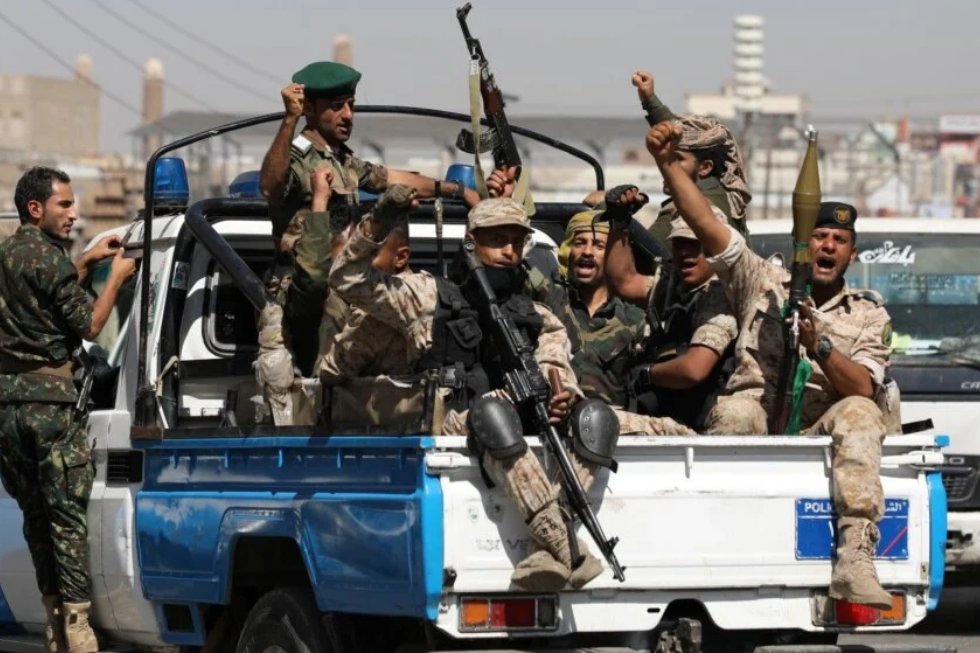



The Houthi threat is no longer simply an internal Yemeni issue. Renewed Houthi aggression is a direct threat to Yemen, its neighbors, Red Sea shipping lanes, the flow of oil, and the wider security of the Arabian Peninsula and Horn of Africa.
The Houthis are a US-designated Foreign Terrorist Organization (FTO). Over the years, they have developed from an armed militia into a well-organized military force, heavily armed with Iranian-made missiles and drones and increasingly sophisticated military capabilities. These weapons and components have been smuggled into Yemen despite international restrictions, strengthening a rebel movement that has repeatedly demonstrated its willingness to use these capabilities against Yemenis, neighboring countries and commercial vessels.
A renewed round of Houthi aggression, launched nearly a month and a half ago, has further set back a UN-sponsored peace plan and has, in effect, ended the détente with Saudi Arabia established in April 2022. Additionally, it has exacerbated the existing humanitarian crisis, leading to an estimated 1,400 Yemeni refugees landing in Djibouti since Houthi rebels took over the port of Mokha along the Red Sea coast.
A near-permanent threat at Bab al-Mandab
We should not make the mistake of treating the Houthis simply as an Iranian proxy with no agency of their own. Since marching southbound from Sa’dah province and taking over the capital city Sana’a in September 2014, Houthi rebels have rapidly developed their own military structures. These structures incorporate tribal levies, militias and military units defecting from government lines, as well as accumulated battlefield experience and built independent capabilities. The Houthis’ ideological hostility toward the United States, Israel and the existing regional order predates the current war in Gaza — which has been used as propaganda by all members of Iran’s Axis of Resistance.
Nuance and context matter, as Iran has been the primary source of empowerment for Houthis since the end of the Six-Year War. Houthis retain their ambitions to rule the whole of Yemen, under a Shia model like Tehran. However, they also remain an instrumental piece of Iran’s regional strategy to submit Gulf monarchies, oppose Israel and eliminate US military presence in the wider region of the Middle East.
For over a decade now, the civilian population across southern provinces, liberated in July 2015, has borne the brunt of the consequences of Houthi aggression firsthand. The Houthis have used missiles and drones, laid mines, recruited children, repressed opponents and diverted natural resources of areas under their control toward their war machine.
Since November 2023, their attacks on commercial shipping have shown that the same terrorist organization targeting Yemenis can also threaten one of the world’s most important maritime corridors. Houthis did not need to take control of the Bab al-Mandab strait, as their missile and drone capabilities allow them to threaten all ships crossing, but the optics are priceless. Houthi commanders standing on the edge of southern Yemen’s coast overlooking massive tankers crossing Bab al-Mandab represent a massive win for their supporters worldwide, not just inside Yemen. Furthermore, their presence allows Houthis to taunt Israel and Gulf monarchies across Eritrea and Somaliland.
The South at the front lines against Houthis
As Houthis lie a short distance from the Taiz-Lahj border, attempting to expand into the South, Southern forces prepare to confront them directly. Elements of the Giants Brigade (a pro-government militia) fought, sacrificed lives and succeeded in pushing them back from large areas in December 2021. That experience should matter when regional and international powers consider which local forces can form part of a sustainable strategy against Houthi rebels.
But the people of the South should not be viewed simply as soldiers for someone else’s war. Southerners must be partners in this fight, and part of shaping a final solution to the decade-old civil war.
That partnership should include security and military cooperation, but it should go further. It should include counterterrorism, maritime security, governance, institutional development, economic recovery and the capacity to provide services and stability to our communities across the eight southern provinces.
First, Houthis threaten everyone. Their missile and drone capabilities, terrorism tactics and destabilizing activities do not stop at political or geographic boundaries. As part of Iran’s Axis of Resistance, Houthi strength will eventually come at the expense of the South, Yemen as a whole and the entire region.
Second, a partnership between southern forces and regional powers can build stronger and more professional Southern institutions. Southern forces and institutions must be provided with the training, capacity and support necessary to become a reliable instrument capable of deterring Houthis across southern territory, securing maritime routes, countering terrorism and maintaining a balance of stability. The South must also demonstrate that it is ready for that responsibility.
Our strongest argument will not come only from what we demand politically; it will come from what we can contribute. Southerners must demonstrate that the South can protect its territory, confront terrorism, secure international waterways, work responsibly with its neighbors, cooperate with regional and international partners, and build institutions that serve its people. This is not only good for the South. It strengthens the broader effort to prevent the Houthis and Iran from exploiting instability across the Arabian Peninsula.
[Kaitlyn Diana edited this piece.]
The views expressed in this article are the author’s own and do not necessarily reflect Fair Observer’s editorial policy.
Hadramaut: The Battle Saudi Arabia Won and the Trust It Lost
The recent Houthi offensive along Yemen’s Red Sea coast has exposed the limits of Saudi Arabia’s strategy in Yemen. Riyadh’s...
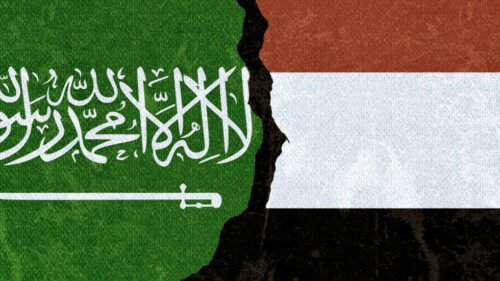
FO Live: The Red Sea Crisis — Power Struggles in Yemen and Sudan
In this episode of FO Live, Atul Singh, Fernando Carvajal and Abdul Galil Shaif examine how Islamist factions obstruct political...

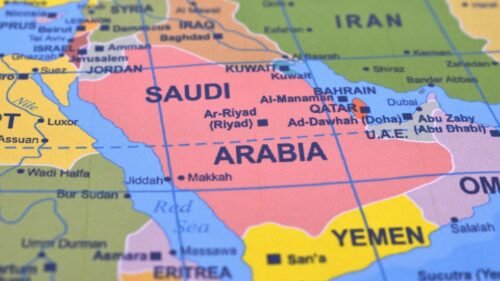
Saudi Arabia’s Strategic Dilemma in Yemen
Saudi Arabia’s military intervention in Yemen, particularly its recent push against the Southern Transitional Council in Hadramaut, highlights a persistent...
Support Fair Observer
We rely on your support for our independence, diversity and quality.
For more than 10 years, Fair Observer has been free, fair and independent. No billionaire owns us, no advertisers control us. We are a reader-supported nonprofit. Unlike many other publications, we keep our content free for readers regardless of where they live or whether they can afford to pay. We have no paywalls and no ads.
In the post-truth era of fake news, echo chambers and filter bubbles, we publish a plurality of perspectives from around the world. Anyone can publish with us, but everyone goes through a rigorous editorial process. So, you get fact-checked, well-reasoned content instead of noise.
We publish 3,000+ voices from 90+ countries. We also conduct education and training programs
on subjects ranging from digital media and journalism to writing and critical thinking. This
doesn’t come cheap. Servers, editors, trainers and web developers cost
money.
Please consider supporting us on a regular basis as a recurring donor or a
sustaining member.
Will you support FO’s journalism?
We rely on your support for our independence, diversity and quality.





Comment