





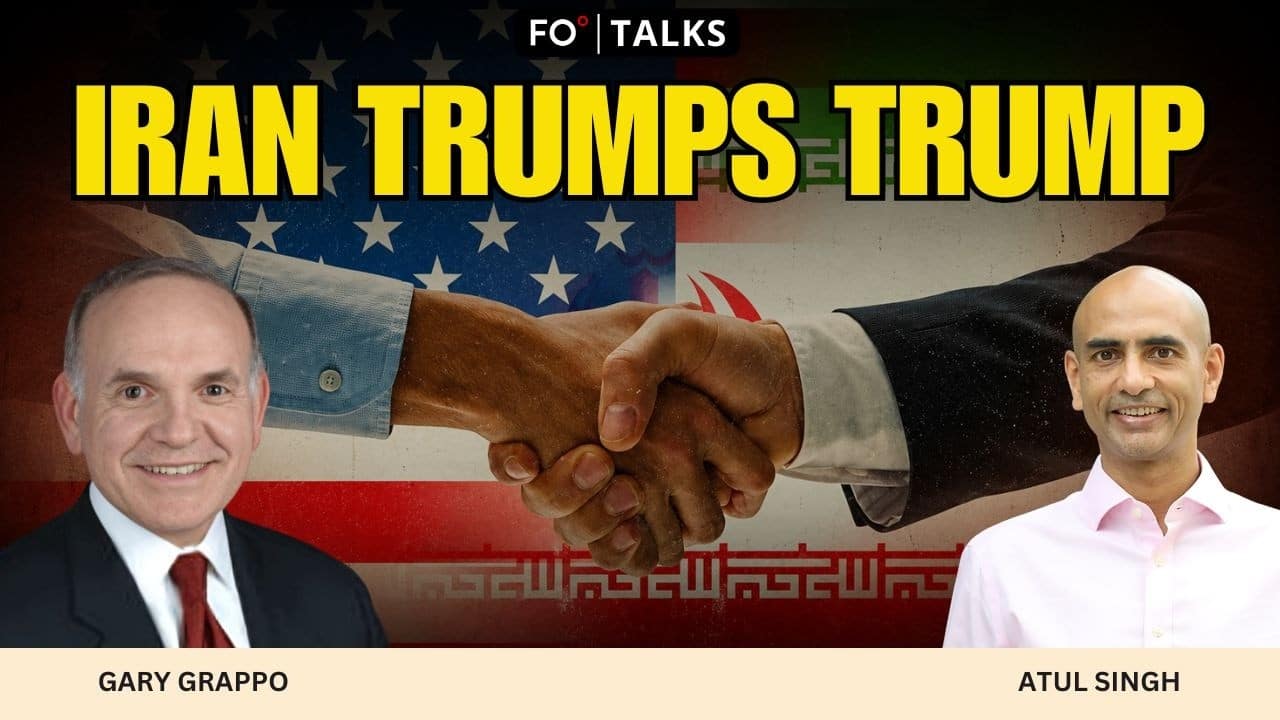
Fair Observer’s Video Producer Rohan Khattar Singh speaks with economist and game theorist Sinem Sonmez about a conflict in which economics proves as consequential as military force. Their discussion examines how the US-led blockade in the Strait of Hormuz, combined with strikes on Iranian infrastructure, pushed Iran into an increasingly unsustainable position. While the war revealed Iran’s military resilience in some areas, Sonmez argues that the decisive factor was economic vulnerability. The episode ultimately asks whether modern wars are now won less through battlefield dominance than through the ability to choke an adversary’s financial system.
A blockade built on economic pressure
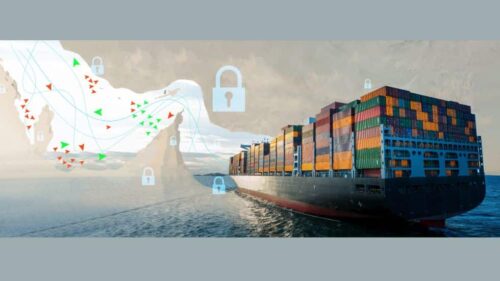
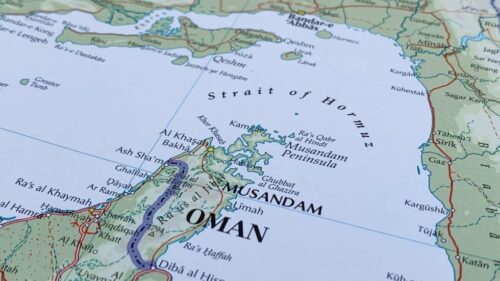
Khattar Singh opens by asking Sonmez to explain the legal and strategic logic behind the blockade in the Strait of Hormuz. She notes that under UNCLOS Article 38, passage through the strait is ordinarily protected even during conflict. The United States, however, justified its actions by designating Iran a “rogue state” and arguing that it had the right to inspect vessels carrying war-sustaining material.
She states that the blockade only became possible after the US first degraded Iran’s military and industrial capacity. She argues that Washington delayed enforcement until it could reduce the risk posed by Iranian air power and ensure that economic pressure would be maximally effective. “The US had to destroy Iran’s critical infrastructure and industries in order to bring Iran’s economy to a standstill,” she says.
The blockade itself was a major logistical operation involving warships, fighter aircraft, helicopters and thousands of US personnel. Sonmez argues that its effectiveness demonstrated how maritime power can still determine the trajectory of modern conflict. Once Iranian exports were interrupted, Tehran rapidly lost economic room to maneuver.
Iran’s economic vulnerability
The central theme of the discussion is Iran’s structural dependence on oil revenues. Sonmez explains that oil accounts for roughly 13% of Iran’s GDP and provides the foreign exchange needed to finance imports. Without access to those revenues, the country faces currency devaluation, hyperinflation and industrial paralysis.
The blockade quickly exposed those weaknesses. Iran reportedly had only two to three weeks of storage capacity before it would have to shut down production entirely. According to certain figures, the blockade was costing Iran approximately $435 million per day, including hundreds of millions in lost oil and petrochemical exports.
The domestic consequences were severe. Nearly 12 million jobs or 50% of Iran’s workforce were reportedly at risk, while major sectors such as steel, petrochemicals and pharmaceuticals faced mass disruption. Sonmez argues that this pressure forced Iran to negotiate far sooner than it otherwise would have. “Iran runs on cash generated by oil exports,” she explains, warning that without foreign currency reserves and a currency devaluation, “hyperinflation ensues.”
Khattar Singh notes that Iran’s economy had already been weakened by years of sanctions following the collapse of the Joint Comprehensive Plan of Action in 2018. The war compounded those problems, leaving Tehran with shrinking options even before the blockade took full effect.
Regional escalation and China’s calculation
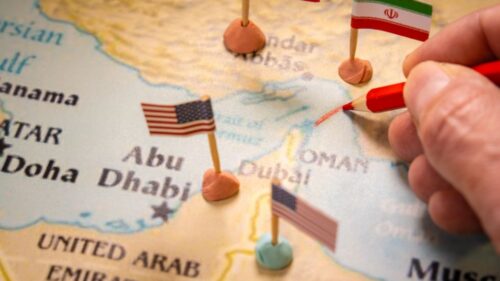
The conversation also explores Iran’s attempt to widen the conflict by targeting infrastructure and bases across the Gulf region. Khattar Singh points out that Iranian strikes hit the United Arab Emirates, Saudi Arabia, Qatar, Bahrain and even Oman, despite Oman’s role as a mediator.
Sonmez believes Tehran hoped Gulf states would pressure Washington to halt the assault once their own energy infrastructure came under threat. Instead, the strategy backfired. Reports suggested that Saudi Crown Prince Mohammed bin Salman favored a tougher US response after damage to regional infrastructure, including disruptions affecting Qatar’s liquefied natural gas capacity.
The role of China emerges as another critical factor. As Iran’s largest oil customer, Beijing was theoretically positioned to soften the impact of the blockade. Yet Sonmez argues that US pressure on Chinese banks and shipping companies successfully deterred major intervention. Chinese tankers reportedly rerouted away from the strait, while Beijing assured Washington it would not provide weapons or military assistance to Tehran.
For Sonmez, this became the decisive turning point. “The whole thing boils down to economics,” she says. Without Chinese financial or military backing, Iran lacked the capacity to sustain a prolonged confrontation.
Military surprises and political realities
Despite Iran’s economic weakness, the war still revealed unexpected strengths. Sonmez notes that the scale of Iran’s drone and missile arsenal surprised observers and imposed significant costs on US defensive systems. Iranian attacks also continued even after senior military figures were killed.
“The organization ran seamlessly,” Sonmez says, describing how Iranian operations continued despite leadership losses. That resilience complicated assumptions that decapitation strikes alone could cripple the Iranian state.
Still, Sonmez argues that military endurance could not overcome financial exhaustion. She believes Tehran entered negotiations because it needed immediate economic relief and had to preserve the regime’s ability to pay the military and security establishment that keeps it in power.
Khattar Singh and Sonmez close by turning to the broader global economy. Sonmez expresses astonishment that US stock markets rallied during the crisis despite continuing uncertainty surrounding oil prices, private credit markets and heavily valued AI companies. She compares the surge in markets to the dot-com bubble and argues that investor optimism became detached from underlying risks.
Even after the ceasefire reduced oil prices, Sonmez remains skeptical that the underlying structural problems have disappeared. The episode ends with a broader warning that economic fragility, financial markets and geopolitical conflict are now deeply interconnected. Military victories may shape headlines, but the long-term balance of power increasingly depends on who can survive economic pressure the longest.
[Lee Thompson-Kolar edited this piece.]
The views expressed in this article/video are the author’s own and do not necessarily reflect Fair Observer’s editorial policy.

























Comment