




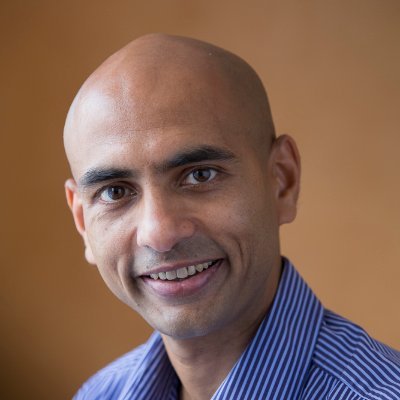
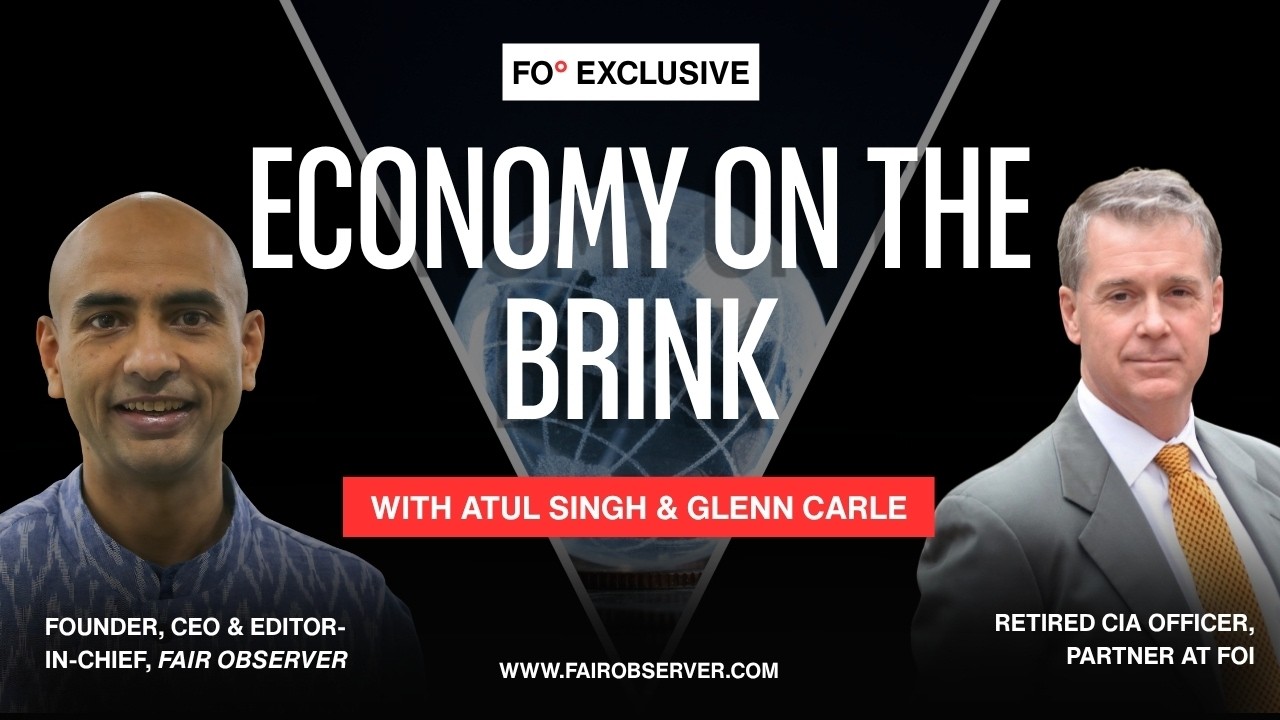
Editor-in-Chief Atul Singh and FOI Senior Partner Glenn Carle, a retired CIA officer who now advises companies, governments and organizations on geopolitical risk, open the March 2026 edition of FO Exclusive with a rapid survey of a world under strain. They move from Washington’s fiscal position to Latin American diplomacy, Silicon Valley’s AI shakeup, European rearmament, South Asian conflict and the diverging fortunes of China and Germany. Taken together, the stories point to a broader pattern: a global system becoming more brittle, more militarized and less economically secure.
America’s fiscal warning lights
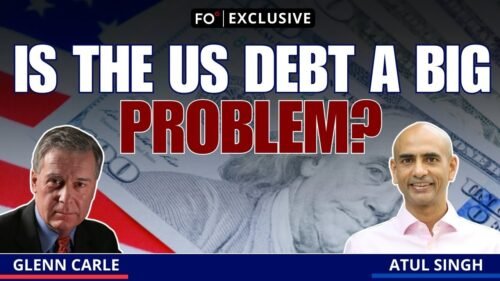
The US debt has crossed $39 trillion, less than five months after it first hit $38 trillion in late October 2025. When US President Donald Trump first took office in January 2017, this debt was $19.9 trillion. Not only has US debt nearly doubled since 2017, but interest costs have also risen to over $1 trillion per year. This has provoked alarm even in usually complacent Congressional circles. The most recent $69 billion auction of two-year Treasuries “drew tepid investor demand,” and the ten-year yield jumped from 3.94% to 4.38%.
Glenn and Atul believe the symbolism matters as much as the raw numbers. Trump had promised to eliminate or sharply reduce the debt, but clearly, the opposite has happened. They call this increase in US debt and the rate of increase of this debt “really dangerous territory” and argue that Americans are overlooking warning signs amid the louder drama elsewhere in the world.
Rapprochement between the US and Venezuela
The US closed its embassy in Caracas, the capital of Venezuela, in 2019. This month, the US re-established diplomatic and consular relations with Venezuela, two months after removing Nicolás Maduro as president and taking him as a prisoner to New York. While Maduro awaits trial on drug-trafficking charges, his spy chief, who oversaw torture dungeons, has become the new defense minister. The US-backed interim president, Delcy Rodríguez, has promoted the baby-faced 65-year-old to secure her grip on the throne.
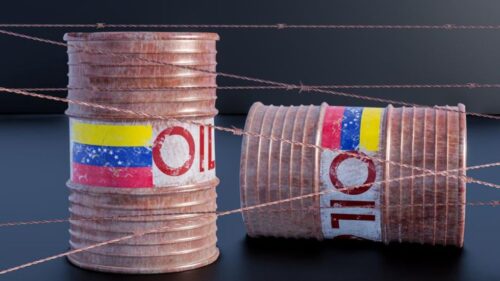
Rodriguez’s leftist regime remains in power but has been working closely with Washington, DC to open up investment in its oil industry. Venezuela’s parliament has also approved a law that allows foreign and private companies to invest in mining.
Atul notes that many in Washington conservative circles believe that greater US influence over Venezuelan oil could eventually lower global energy costs and strengthen American industry. Glenn is skeptical, saying he is “left speechless.” He goes on to point out that, even under the best conditions, rebuilding Venezuela’s oil sector would require years of effort and cost billions of dollars.
The twists and turns of the fate of AI companies
Trump ordered American government agencies to stop using Anthropic’s AI technology within six months amid a row over its use in defence. The Pentagon wanted to use Anthropic’s AI for all legal purposes, but the company wanted safeguards in place when it came to its use for mass surveillance as well as for autonomous weapons. Trump accused Anthropic of being an “out-of-control radical left AI company.” His administration declared it to be a supply-chain risk to national security. This is an unprecedented designation for an American firm, although Anthropic’s tech is still reportedly being used in the Iran attacks. All is good, though. OpenAI stepped into the breach to help the Pentagon where Anthropic failed.
Block, which owns Cash App, the Square payments app and bitcoin assets, announced that it would cut 4,000 jobs, more than 40% of its workforce. Block CEO Jack Dorsey, who was once the boss of Twitter, said AI tools have “changed what it means to build and run a company,” and that most firms would soon make “similar structural changes,” i.e., fire lots of employees.
Atul and Glenn treat Block’s layoffs not as an isolated story but as evidence of a deeper transformation in relations between tech labor and capital. Not too long ago, Silicon Valley campuses had free food, lots of perks and great comforts. Now, their employees are no longer immune to job losses. Automation is destroying millions of jobs and displacing all sorts of labor. Today, driverless cars are more visible in San Francisco than driver-driven cars of Uber or Lyft, a sign of how quickly technological change is moving from theory to everyday reality.
Disruption is creating winners as well as losers, though. Swarmer, a Texas-based company that develops AI software for coordinating military drones, did spectacularly well. Its shares rose by more than 1,000% following its initial public offering on the Nasdaq on March 17. Ukraine’s armed forces have used the company’s technology since 2024. The Trump administration has recently sped up the rush to develop American drone technology. Last year, the US banned almost all imports of Chinese-made drones for national-security reasons. As civilian tech workers face layoffs, defense technology is attracting money, momentum and political backing.
Europe rearms, South Asia burns
French President Emmanuel Macron announced that his country would increase its nuclear-weapons capability and launch a new nuclear-armed submarine in 2036. He said, “The next 50 years will be an era of nuclear weapons.” Apparently, France will work with Britain, Belgium, Denmark, Germany, Greece, the Netherlands, Poland and Sweden on a new “forward deterrence” strategy that will involve joint exercises. As a modern-day emperor, the French president will have the ultimate say over firing the missiles.
Iran’s two Sunni neighbors to its east are having a go at each other. Fighting between Afghanistan and Pakistan has broken out in full earnest. Pakistan has been striking both what it calls terrorist sites and the Taliban’s military facilities, including the Bagram airbase. Pakistani jets destroyed a 2,000-bed drug rehabilitation hospital in Kabul, resulting in a reported death toll exceeding 400 people. They took a small break for Eid but intended to pick up where they left. At the heart of the matter is the Durand Line, which no government in Afghanistan has ever accepted: monarchical or democratic, communist or theocratic.
Glenn and Atul point out that Pashtuns have never accepted the Durand Line and want a Pashtunistan. Pakistan backed the Pashtun-led Taliban, which now backs its fellow Pashtun Islamist radicals across the border. The chickens have now come home to roost and Pakistan now has a bloody conflict with the very regime it once backed on its hands.
Chinese resilience, German pain
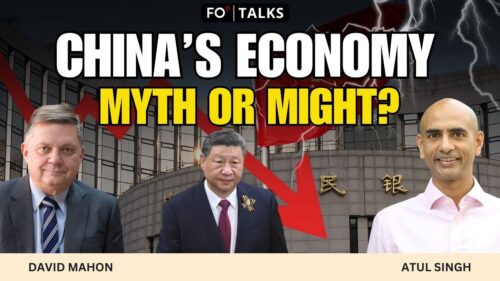
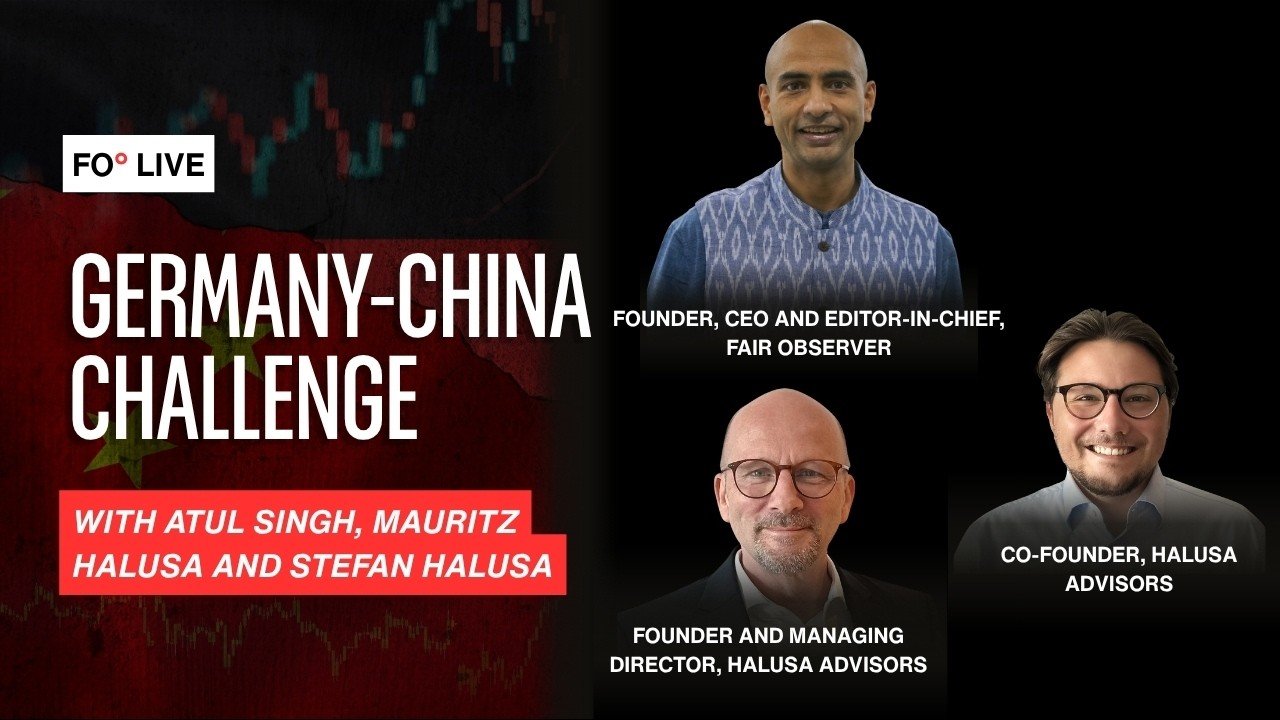
The Chinese government set this year’s GDP growth target at between 4.5% and 5%. This is the lowest range in decades. Atul and Glenn predicted the bursting of a real estate bubble for years and this lower growth target is because of China’s property slump. Last year, the Chinese economy expanded by 5%, miraculously meeting the official target. Apart from setting a growth range this year, China also laid out a strategic plan to boost AI and its “core digital economy industries”, and pledged to keep its competitive advantage in rare earths.
Defying American tariffs, China’s exports rose by 21.8% in January and February, year on year, blowing past market expectations. Imports were up by 19.8%. Chinese manufacturers have turned to other markets to offset a decline in trade with the US. Exports to Europe, South Korea and Southeast Asia increased by 27.8%, 27% and 29.4% respectively.
Even as Chinese exporters did well, their German counterparts suffered. Battling American tariffs and falling sales in China, Volkswagen’s operating profit fell by 50% in 2025. The carmaker is now cutting 50,000 jobs in Germany by 2030, up from the 35,000 it had agreed to with unions in December 2024.
For Atul and Glenn, the contrast is revealing. The Chinese economy may be slowing down, but Beijing is still repositioning with strategic intent. Germany, and by extension much of Europe, appears to be absorbing pressure rather than shaping events.
[Lee Thompson-Kolar edited this piece.]
The views expressed in this article/video are the author’s own and do not necessarily reflect Fair Observer’s editorial policy.


































Comment