





African governments are notoriously unstable. In the past 50 years, the continent has suffered more than 100 coups. In the same period of time, there have only been 250 coups in the rest of the world. Africa has certainly had more than its fair share.
 Spotify
 Amazon Music
There are no simple explanations for this phenomenon. Africa is a huge continent with 54 different sovereign states. It is far too complex to capture in a nutshell. Still, some general trends contribute to political instability.
A history of division
The first trend is centuries old. The Sahel, a strip of arid, yet habitable land, runs across the northern part of Africa. This area connects the vast Sahara Desert to the north with the rest of Africa to the south. It is a meeting-place of civilizations. Here, the Muslim civilizations of the north of Africa meet the animist and Christian civilizations of the south. Within the Sahel, too, Arab and Berber populations come into contact with black populations.
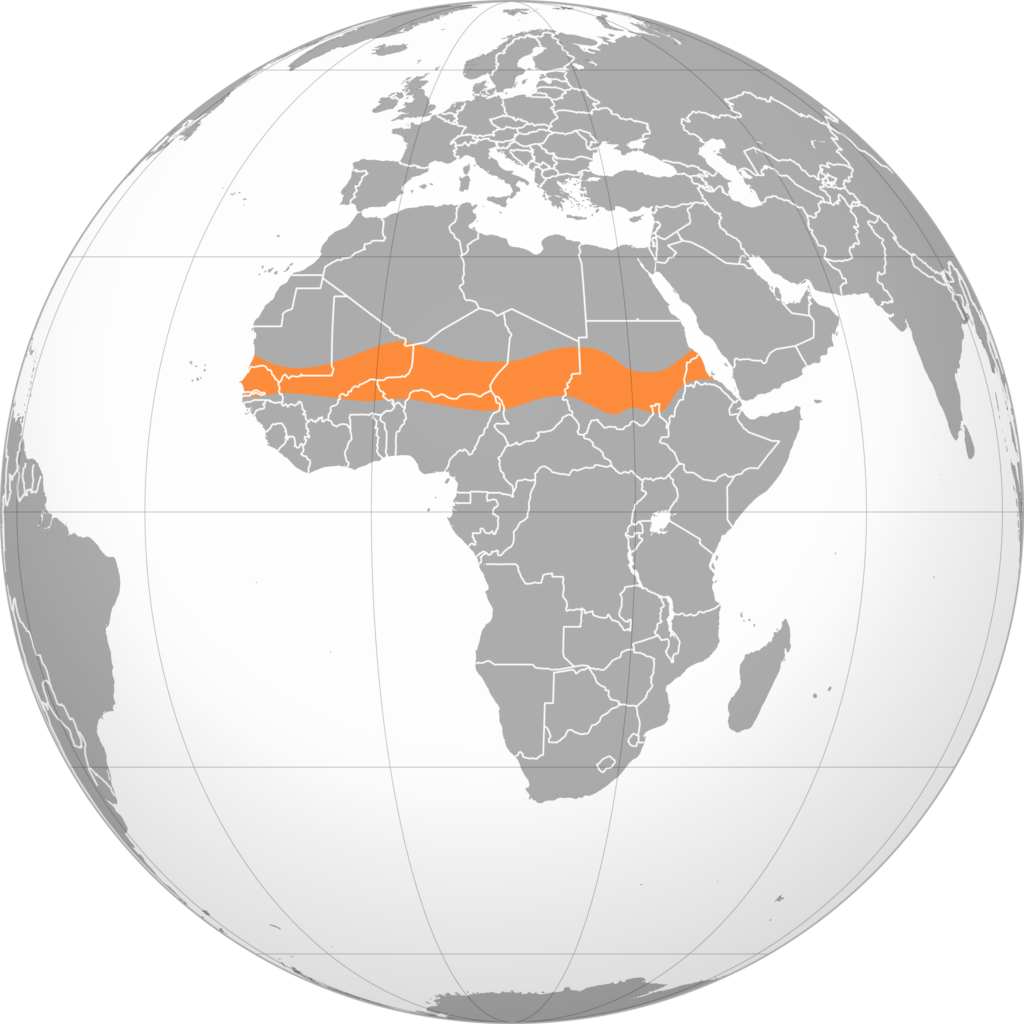
The two sides have a fraught relationship. Since the Islamic Caliphate conquered the northern part of Africa in the 7th century, Muslim North Africa has often looked upon the rest of Africa as a source of booty and slaves. Arab and Berber kingdoms of the north frequently raided and conquered the states of the south.

Later, when the trans-Atlantic slave trade began, the flow of slaves partly reversed. Muslim Africans, often prisoners of war, were transported through the states of the south and sold to the Europeans as slaves. The Europeans shipped them from ports in West and Central Africa to colonies in the New World like Brazil and the future United States.
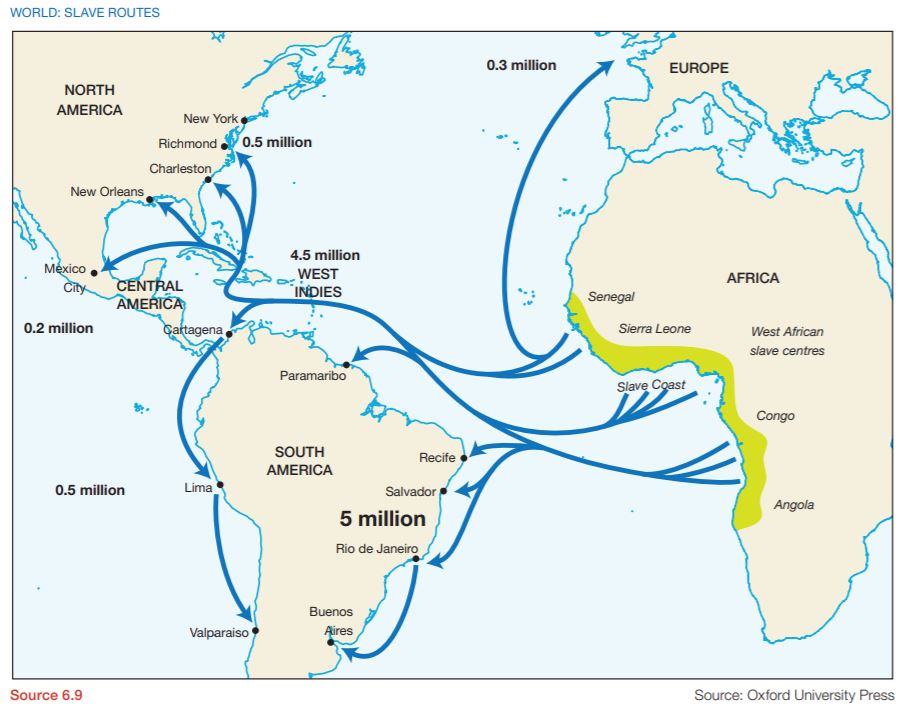
Centuries of mutual exploitation and enslavement created deep-seated distrust between Muslim and non-Muslim Africans. This pattern largely persisted until the late 19th century, when European power eclipsed Muslim power. Britain, France, Portugal and other colonial powers carved up most of Africa into colonies.
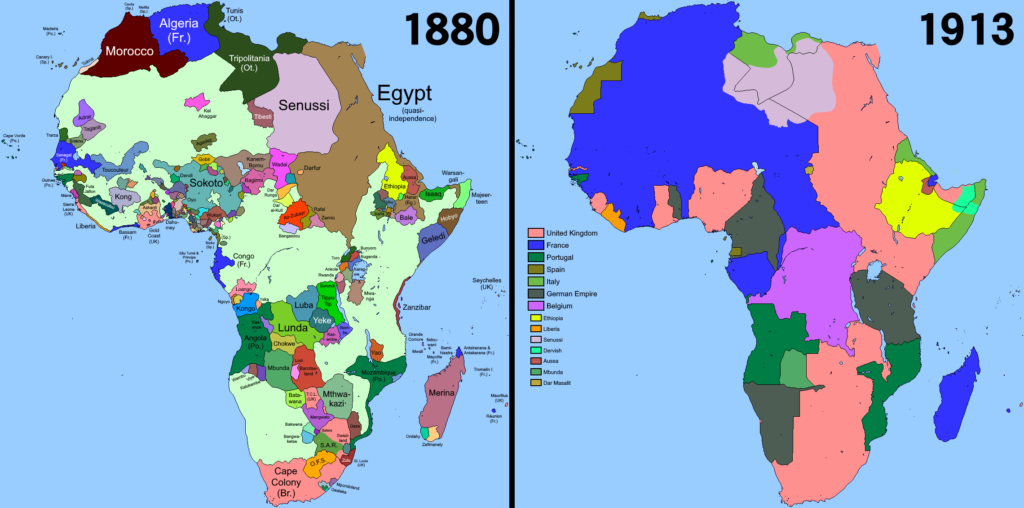
The second source of division occurred in the 1960s, when European power in Africa waned. The Europeans withdrew, leaving power to administrations dominated by local elites, often those who had a good relationship with the exiting colonial power. Those who came to power in this way were reluctant to let it go. In a large number of cases, they created kleptocracies dominated by their own families, and their main support came from their ethnic groups. They lived like kings in their palaces — or abroad — while their countrymen starved.
These de facto kings relied on their military to rule the people. However, palaces softened them and their families. Children of African dictators prefer shopping in Paris and partying in London. Rarely do they serve in remote military posts. So, the officer corps is usually not connected to the ruling family by blood ties. The army thus has little incentive to support the corrupt ruling family. Officers tend to be like scruffy street dogs who can chew up the palace poodles. This makes military coups common.
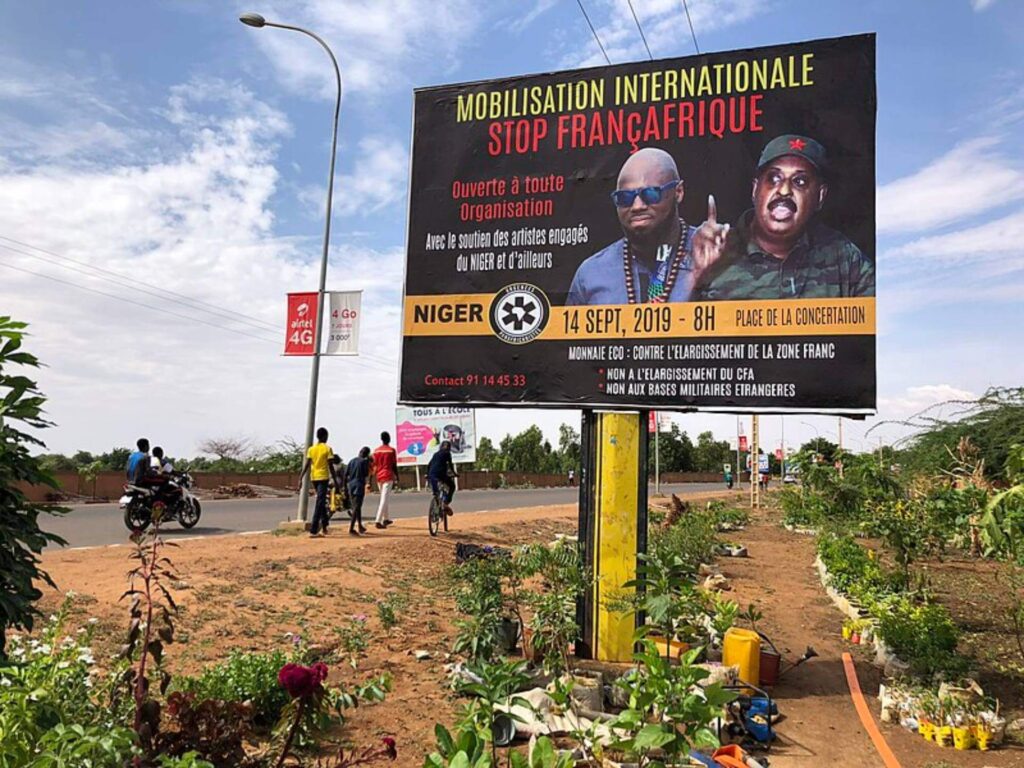
The third source of division is peculiar to the former French colonies. It reinforced both of the previous divisions. When the British left Africa, they largely left their colonies to their own devices. Instead, the French tried to influence policy by rewarding cooperative African elites with French citizenship. Even after giving its colonies independence, France still controlled them by running an informal empire.
By backing friendly elites with money and military support, France created a situation in which the rulers of African nations were more dependent on Paris than on their own populations. It is one thing to be ruled by an elite, but it is much worse to be ruled by an elite that answers to a foreign power. This created deep resentment among African populations.
The state of Africa today
Finally, the French empire in Africa is disintegrating. Many African nations have expelled the French military. Instead, they are now relying on Russian military contractors for support. In this way, mercenaries like Yevgeny Prigozhin’s Wagner Group or its more Putin-friendly replacement, Redut, have expanded their influence in Africa.
Russia is a master at propaganda that it spreads through various means, especially online. Moscow also pays Africans to spread pro-Russian propaganda. Russians and their African accomplices push anti-Western narratives, fostering the impression that Africa’s problems are the fault of France and the US. Of course, as per this narrative, working with Russia is the solution to all of Africa’s problems. It is plausible that Russia will politically dominate parts of Africa for the next decade or two. But, in the end, Africa swallows up all conquerors. Russian domination won’t last.
Related Reading
The real loser, aside from the West, is the African Union (AU). The AU formally counts all nations in Africa as its members. It keeps military brigades on standby across the continent. Yet they seldom intervene when coups occur. Niger, Gabon and Burkina Faso have recently had coups. Expectedly, the AU did not act. Like the UN, which has only fought one war in its history, the AU is paralyzed. Currently, military intervention cannot be done multilaterally. There are always some members who would prefer not to intervene.
Nigeria, the most populous and one of the most powerful nations in Africa, formed the Economic Community of West African States (ECOWAS) to serve as a more local substitute for the AU. ECOWAS could have been Nigeria’s “coalition of the willing.” But even within its narrower geographic focus, too many states in the region oppose ECOWAS’s goals for the organization to be effective. Furthermore, Nigeria is fighting a civil war of its own against the Islamist group Boko Haram and does not have any political cohesion. Every president hangs on by his fingernails to power.
UN peacekeeping forces will not stop coups either. Besides, the UN is held back by red tape and corruption. The US maintains some military bases on the continent, but Washington has no appetite for intervention. Donald Trump had a more isolationist bent while Joe Biden is distracted by Ukraine, the Middle East and Taiwan.
Will Africa make it through? Things certainly do not look good right now. In Sudan, one of Africa’s largest nations, a civil war is currently unfolding. Forces loyal to Mohamed Hamdan Dagalo, aka Hemedti, have pushed the Sudanese army out of many cities, including the capital, Khartoum. Hemedti is a Muslim and considers himself an Arab while the forces that oppose him are largely black African. So, the same old story is playing out.
Related Reading
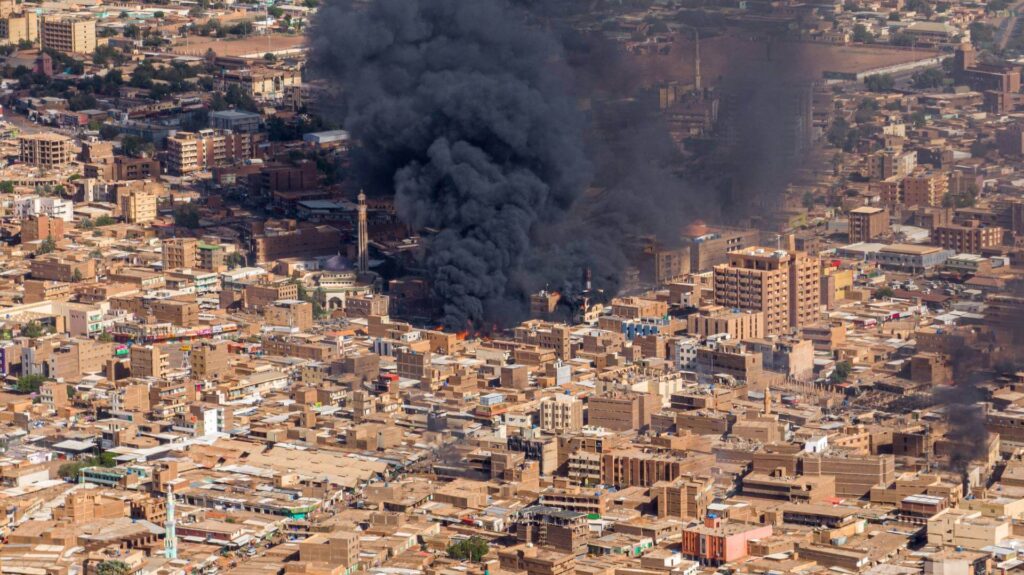
It is far too early to begin predicting what will happen in Sudan or the continent as a whole. What we can say is that chaos is increasing, economic activity is decreasing, and life is getting worse for everyone. Yet Africans are hardworking and resourceful. The African diaspora wires much more money back home than all international aid to Africa put together. In the end, Africans are resilient. They will bear these unstable times and outlast foreign interventions. They and we can be confident that the future will be African, and it will be bright.
[Anton Schauble wrote the first draft of this piece.]
The views expressed in this article/podcast are the author’s own and do not necessarily reflect Fair Observer’s editorial policy.
The Great Omission: Why Don’t Indians Talk About Africa?
We have a problem worldwide with a skewed and innacurate representation of Africa in the media. Indian media are no...
Twin Peace Missions Have Limited Success In Ukraine and China
African leaders visited Russia and Ukraine, marking a first for diplomats from the continent although talks did not prove to...
How Real African Solutions Now Overcome African Problems
From building a dam and educating the poor to adoption and advancement in many technologies, Africa is growing in strength...

FO Podcasts: The Muslim Brotherhood Explained — Origins, Ideology and Global Influence
In this episode of FO Podcasts, Atul Singh and Cynthia Farahat examine the Muslim Brotherhood’s origins, debating whether it evolved...

China–Taiwan Tensions — Civil War Legacies and Geopolitical Chess
Since President Xi Jinping came to power in 2012, China has been acting more aggressively towards Taiwan. Tensions go back...

The Dialectic: Narendra Modi’s Vegetarian Stalinism Has Ruined the Indian Economy
In this episode of The Dialectic, Atul Singh and Glenn Carle explain how India’s current leader has rolled back the...

FO° Podcasts: Maduro, the War on Drugs and Trump’s Revival of the Monroe Doctrine
In this episode of FO° Podcasts, Atul Singh and Benjamin Delille examine US President Donald Trump’s confrontation with Venezuela, questioning...

FO° Podcasts: Myanmar Votes During a Civil War: Why This Election Could Tear the Country Apart
In this episode of FO° Podcasts, Rohan Khattar Singh and Asanga Abeyagoonasekera examine Myanmar’s December 28 elections against the backdrop...

FO° Podcasts: The Forbidden C-word, Class in America
In this episode of FO° Podcasts, Atul Singh and Kent Jenkins Jr. discuss how class shapes US identity and political...

The Dialectic: France: The Eternal Crisis Strikes Again. What Now?
In this episode of The Dialectic, Atul Singh and Glenn Carle examine France’s deepening polycrisis. Rising debt, political paralysis and...

The Dialectic: Can Germany Outgrow Its Postwar American Model?
In this episode of The Dialectic, Atul Singh and Glenn Carle explore how Germany faces acute economic, political and social...

FO° Podcasts: The Right to Play: How Women Fought and Won the Battle for Equality in Sports
In this episode of FO° Podcasts, Atul Singh and Lauren Greenberg explore how Title IX reshaped women’s sports and personal...

FO° Podcasts: Enemy of the Sun — How Palestinian Poetry Became a Weapon of Resistance
In this episode of FO° Podcasts, Atul Singh and Edmund Ghareeb trace the unlikely journey of the Palestinian poetry anthology...

FO° Podcasts: Why is the US Deporting Illegal Migrants to a Tiny African Nation Called Eswatini?
In this episode of FO° Podcasts, Rohan Khattar Singh and Zweli Martin Dlamini examine the secret deportation deal between the...

The Dialectic: Can Germany and France Make Europe Great Again?
In this episode of The Dialectic, Atul Singh and Glenn Carle examine Europe’s rise from Renaissance brilliance to post-World War...




Commenting Guidelines
Please read our commenting guidelines before commenting.
1. Be Respectful: Please be polite to the author. Avoid hostility. The whole point of Fair Observer is openness to different perspectives from perspectives from around the world.
2. Comment Thoughtfully: Please be relevant and constructive. We do not allow personal attacks, disinformation or trolling. We will remove hate speech or incitement.
3. Contribute Usefully: Add something of value — a point of view, an argument, a personal experience or a relevant link if you are citing statistics and key facts.
Please agree to the guidelines before proceeding.