



[This is the fifth part of a nine-part series. To read more, see Parts 1, 2, 3 and 4 here.]
The Islamic Republic of Iran has a mission to spread Shi’ism in the Middle East, which is why it created the Shia Crescent. Their greater goal is to destroy the state of Israel.
An unintended consequence of the American invasion of Iraq in 2003 was that Iran became a very powerful force in Iraqi politics due to democratic elections. The Shia of Iraq and Iran may be very different, but they’re both influenced by Iran.
Iran is connected to Iraq, Syria and Lebanon. These three nations were key elements in the creation of the Shia Crescent that encircles Israel with pro-Iranian, Shia-dominated powers. Syria and Lebanon became the main targets for Iranian influence. The Iranians invested heavily in Syria, even sending citizens there — according to rumors, up to 800,000 earned Syrian citizenship. The current and upcoming rulers in Damascus won’t tolerate this for long.
Crushing defeats
Iran turned Syria’s Qalamoun area, the mountains on the Syrian–Lebanese border, into a smuggling point. Here, long-range missiles were smuggled to the Lebanese Shia paramilitary group, Hezbollah.
Fed up with the arms-dealing, Israel waged a low-intensity war with Syria in 2012. Syria became a major place of Iranian investment, on top of their efforts in Iraq and Lebanon. They sent thousands to support Syrian President Bashar al-Assad in the civil war — not just Shia Iranians, but also people from Afghanistan and other Shia communities. Due to their dire economy, they were investing money they didn’t have, estimated at tens of billions of dollars.
The downfall of the Assad regime in December 2024 is a disaster for Iranian plans to create the Shia Crescent around Israel. Israeli defeated Hezbollah in Lebanon after 11 months of Lebanese aggression. This defeat was far more devastating than their previous in the 2006 Lebanon War.
The Iranian defeat is resounding. There were elements in Syria who opposed the Iranian involvement and were ready to support Israeli military efforts. The Iranian presence in Syria even caused a rift within the Assad clan. Maher al-Assad, Bashar’s younger brother, was in Iran’s pocket, while Bashar had his own reservations. Before that, Russia did not like the Iranian involvement, as it viewed Iran as competition to be the dominant force in Syria.
The Russians allowed Israeli activities in Syria, but these were always targeted at the Iranians. The Syrians will not accept a Turkish occupation by President Recep Tayyip Erdoğan. The Turks will face problems in Syria, especially in Kurdish areas.
What will happen now?
The Syrians will not allow domination by Sunni-run Turkey. This is a historic rivalry. Iran wanted to use Syria against Israel, but failed.
Will Iran realistically assess the cost-benefit? Will they still be committed to destroying Israel? Or will they realize they’re now under siege and need to be careful?
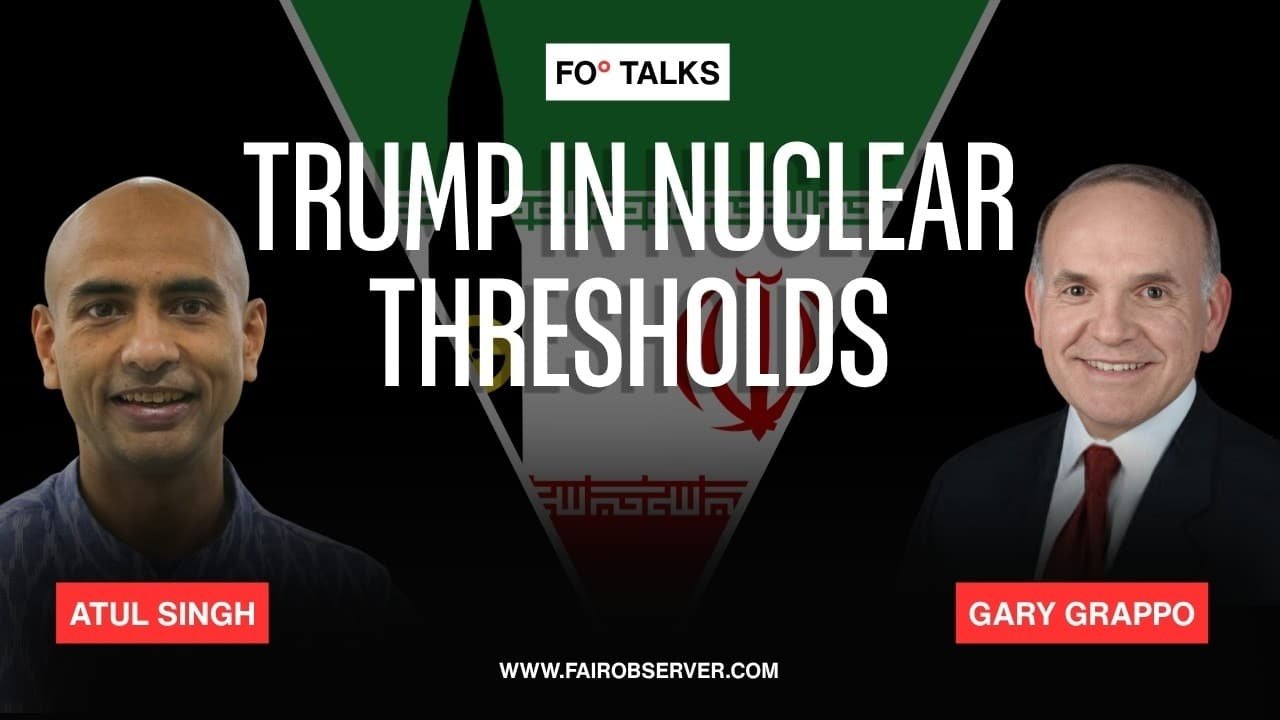
This could lead to two options: One, they minimize their involvement in Syria and Lebanon. But then, they’ll feel under siege. Two, they speed up their nuclear program to deal with the perceived danger. This might pressure US President Donald Trump to talk to the Iranians. The situation could create conditions for a dialogue, though they would have to make concessions.
[Lee Thompson-Kolar edited this piece.]
The views expressed in this article/video are the author’s own and do not necessarily reflect Fair Observer’s editorial policy.









































Join the conversation
Share your perspective
Log in to share your thoughts and take part in the discussion.