



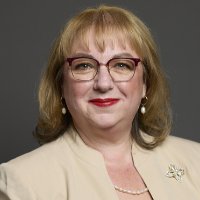
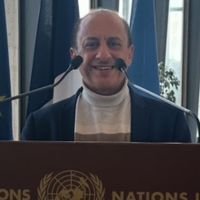
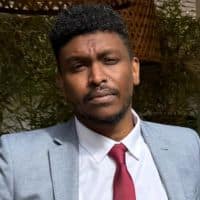
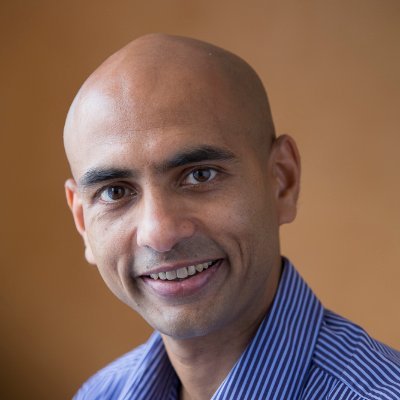



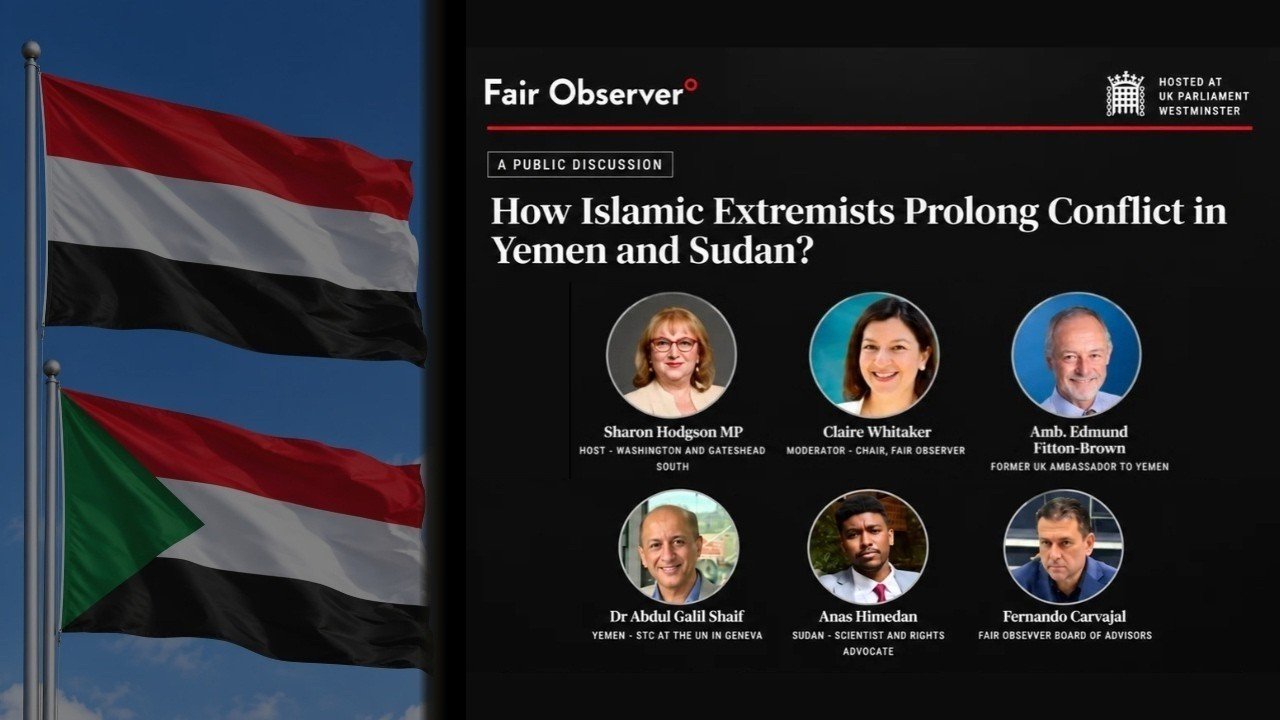
Fair Observer Chair Claire Whitaker moderates a panel at the UK Parliament on how extremist movements and foreign intervention prolong the wars in Yemen and Sudan. Labour MP Sharon Hodgson welcomes the panel to Westminster, and Fair Observer Editor-in-Chief Atul Singh brings a range of voices into public debate. Whitaker asks what keeps two devastating and often overlooked wars going. The answers reveal sharp disagreements over who holds power, whose participation a peace process requires and how much leverage outside governments have.
How the Houthis gain ground
Edmund Fitton-Brown, a former British ambassador to Yemen and senior fellow at the Foundation for Defense of Democracies, traces the Houthis’ rise through the breakdown of Yemen’s political transition. After the Arab Spring, Abdrabbuh Mansur Hadi succeeded longtime President Ali Abdullah Saleh. The Houthis later allied with Saleh and seized Sana’a in 2014. Fitton-Brown places their rise alongside the persistence of other armed extremist groups, including Al-Qaeda in the Arabian Peninsula and the Islamic State.
Abdul Galil Shaif, a representative of the Southern Transitional Council (STC), sees a more recent turning point in Saudi Arabia’s strikes against southern forces. He argues that the intervention broke up a coalition that had checked Houthi advances and left southern communities exposed. Shaif credits Iran with providing military and technical support to the Houthis, while stressing that the movement makes its own decisions. Its leaders, he argues, believe they have a right to rule Yemen.
Who can negotiate for Yemen?
Whitaker asks whether a movement that has gained territory has any reason to share power. Former British Minister Andrew Mitchell favors an inclusive constitutional process that brings the Houthis to the table. Fitton-Brown doubts the movement would settle for a share of power. Years of negotiating with its representatives have persuaded him that its leadership seeks to govern the country.
Shaif questions the authority of the other side of the table. He calls faith in Yemen’s internationally recognized government “an international illusion,” pointing to the presence of its leaders in Riyadh and their limited ability to govern at home. He also argues that donors missed a chance to make areas outside Houthi control more viable. Schools, hospitals, roads and reliable salaries, he suggests, could have given Yemenis a reason to trust the authorities competing with the Houthis.
Sudan’s struggle over civilian rule
Sudan’s war erupts in April 2023 between the Sudanese Armed Forces (SAF) and the Rapid Support Forces (RSF). It displaces millions and forces many to flee into neighboring countries. For Sudanese civil society activist Anas Himedan, its origins lie in the institutions that survived the fall of longtime ruler Omar al-Bashir. Himedan says that Islamist networks retained influence inside the military and saw a civilian transition as a threat to their power.
That account puts the failed transition at the center of the war. Himedan contends that the RSF initially accepted civilian rule and that military leaders and their Islamist allies helped provoke the fighting. His account draws challenges from participants who question what it leaves out, especially the RSF’s record in communities it has seized.
Darfur and the dispute over responsibility
From the audience, former BBC Africa editor Martin Plaut cites investigations documenting attacks on the Masalit and Fur communities in Darfur. He draws attention to the RSF’s campaign in El Fasher, where the siege and mass killings make accountability central to any discussion of peace. Another Sudanese participant brings the discussion to central Sudan, citing killings, rapes and the destruction of villages in areas where the RSF advanced.
This exposes a divide over which history should guide diplomacy. Himedan wants negotiators to reckon with the influence that Islamist networks acquired over decades and to hear from communities outside the army’s sphere of control. His critics insist that a political settlement must confront the RSF’s record of violence against civilians. The dispute also raises a question about representation. Armed factions can secure seats at negotiations through their control of territory, while civilians displaced from that territory may have little say.
The links across the Red Sea
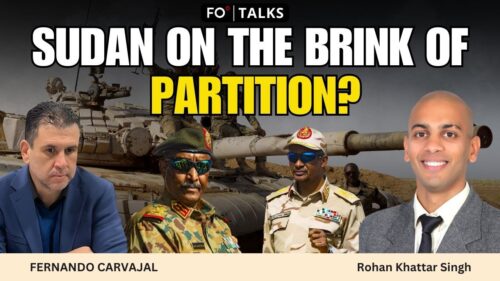
Fernando Carvajal, a former member of the UN Security Council Panel of Experts on Yemen, states that the conflicts intersect through networks that move weapons and technology across borders. He alleges that the Houthis have a presence in Port Sudan and that they have supplied drones to Islamist militias with Iranian backing. The panel also discusses how Sudanese gold exports through the United Arab Emirates help finance the war, giving the fighting an economic lifeline alongside foreign military support.
For Whitaker, the maritime stakes help explain why audiences far from either war should pay attention. The Bab al-Mandab strait connects the Gulf of Aden and the Red Sea. Houthi threats to shipping there can force vessels to take longer routes, raising transport costs and carrying the economic effects of the conflict well beyond Yemen.
What Britain can do
As the UN Security Council’s penholder on Yemen, Britain has a role in drafting resolutions and coordinating negotiations. Fitton-Brown urges London to help build a coalition around maritime law and freedom of navigation while continuing to support Yemen’s internationally recognized government. Shaif wants Britain to press Saudi Arabia directly over its role in southern Yemen. Carvajal warns that delays in bringing parties into a political process give foreign backers more time to deepen their involvement.
On Sudan, participants weigh a stronger African Union role against a patchwork of foreign mediation efforts. Himedan calls for British officials to engage communities beyond Port Sudan, including people in Darfur and Kordofan. The exchange returns to the question Whitaker poses about who can credibly negotiate. In Yemen, the Houthis’ territorial gains give them leverage while the recognized government struggles to exercise authority at home. In Sudan, rival armed forces dominate diplomacy while civilians bear the costs of their war. Outside governments can press for talks, but the people left outside the room will still have to live with the settlement.
[Lee Thompson-Kolar edited this piece.]
The views expressed in this article/video are the author’s own and do not necessarily reflect Fair Observer’s editorial policy.































Comment