








|
||||||||||||||||||||||||
|
||||||||||||||||||||||||
|
||||||||||||||||||||||||
|
Dear FO° Reader,
Those of you who studied history in university might recall reading What Is History?, a tour de force authored by Edward Hallett Carr, better known as E.H. Carr. He was one of those stereotypical British polymaths who cast a wide net. Historian, diplomat, journalist and international relations theorist, he opposed the idea of empiricism within historiography. Among other things, this Trinity College, Cambridge — the same college once graced by chaps like Isaac Newton, Lord Byron and Bertrand Russell — man wrote a 14-volume history of the Soviet Union. Like Lord John Maynard Keynes, Carr was at Versailles at the end of World War I and went on to serve in the Foreign Office when the British Empire was at its zenith. Carr’s experience, melded with his education, gives him gravitas to this day, and his then radical view of history resonates with both of us. So, what exactly was Carr saying, and why does he matter? Prior to Carr, historians were almost like oracles who recounted events past quite definitively. In the UK, empiricism and utilitarianism were ascendant. The idea of a historian soaring like an eagle with a panoptic view, edifying lesser mortals dwelling in dark valleys, held sway. Carr tore this idea into shreds and pointed out that history was a moving procession. Historians, wise though they may be, were mere human beings trudging along in that procession. Their view of the procession was limited by their position. Yes, facts matter, but the facts that different historians observe may differ in their weightage. In a nutshell, Carr’s great contribution to historiography is to establish the idea that many narratives exist and, to understand history better, we have to engage with them.
via shutterstock Like history, journalism depends on where you are in the procession
As we write this, the G7 summit is underway in France. As we type on our keyboards, US President Donald Trump insists we have peace for our time. Fresh from the UFC Freedom 250 Fan Fest, Trump is trumpeting his peace deal with Iran and insisting that the Strait of Hormuz will open “toll-free” soon. Many Americans in the Make America Great Again (MAGA) camp believe that their superhero, “The Donald,” has pulled a rabbit out of the hat yet again, and the stage is set for a historic Fourth of July celebration.
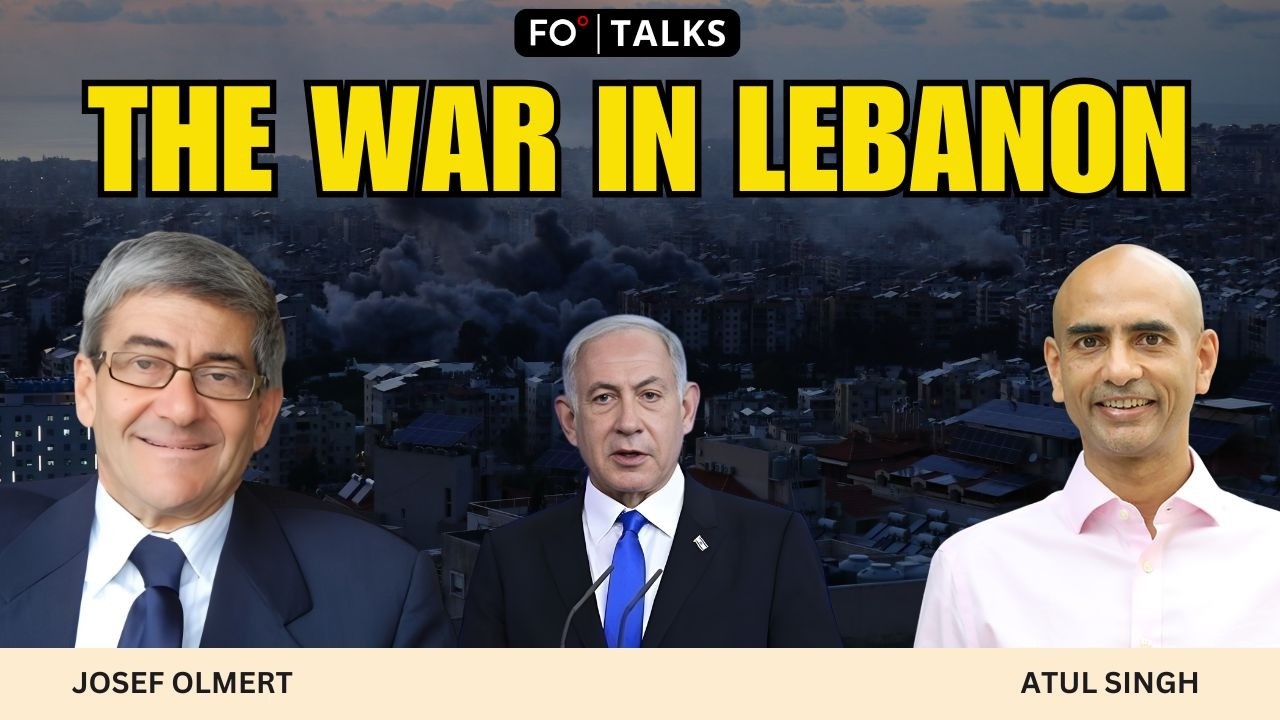
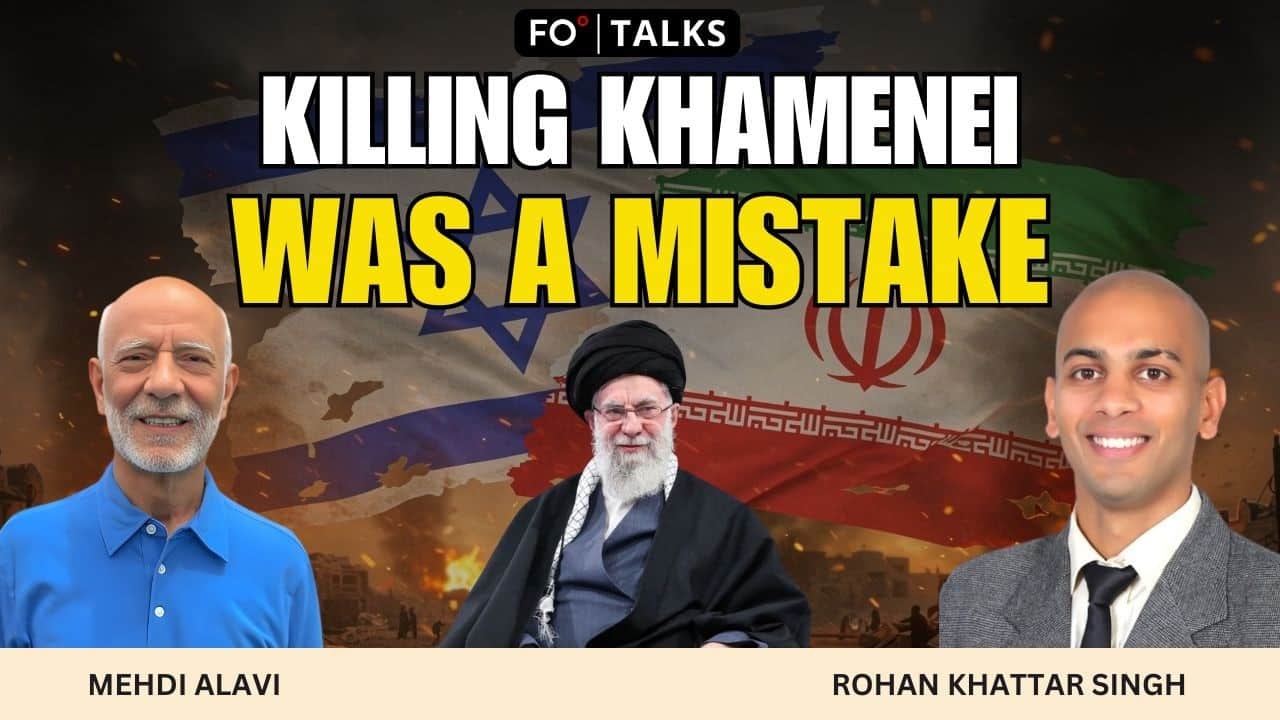
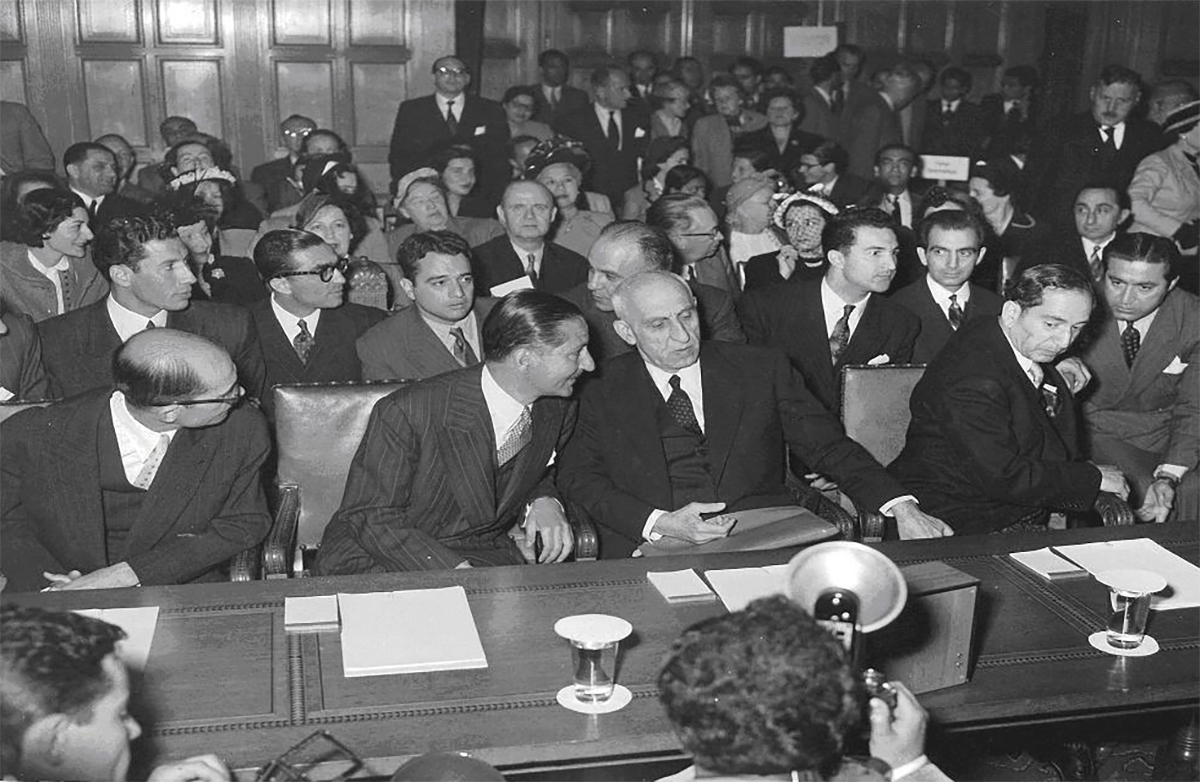
While some in the MAGA mob are euphoric, a few of our Israeli friends are apoplectic with rage. They see the peace deal as a political and diplomatic victory for a hardline Islamist regime that believes in “Death to America” and “Death to Israel.” Zvi Bar’el has written in Haaretz, “Iran Set the Terms, Trump Yielded, Israel Sidelined,” and our longstanding author Josef Olmert wrote for us, “Iran Won, the US and Israel Lost.” The headline of the state-controlled The Tehran Times tells a different story: “MoU reached. Peace? Not sure.” Our Iranian author, Mehdi Alavi, believes that Iran has come out on top so far, and the US/Israel–Iran War will lead to a new Middle East. Curiously, Alavi seems to agree more with Olmert than with the American president. We are more than aware that there are many perspectives on the current war and indeed on the history that precedes it. From an American perspective, the 1979 Islamic Revolution is like the 1919 Soviet Revolution, which is fundamentally destabilizing to the world order. Iran has become a theocracy that commands the loyalty of millions of Shias outside its borders. Inside its borders, it persecutes minorities, especially Baháʼís and Zoroastrians. When it comes to its treatment of women, this regime of hardline mullahs can hardly be said to be egalitarian or humane. From an Israeli perspective, the 1979 Iranian Revolution turned a country that had been a loyal ally into a bitter foe. The ayatollahs who have ruled Iran since the revolution have created proxies that attack Israel, such as Hamas, Hezbollah and the Houthis. Bit by bit, the Arab states have buried the hatchet with the Jewish state, while Iran has fanned the flames of anti-Zionism and anti-Semitism in the Muslim world. If this Islamist regime collapses, love might be in the air again. After all, the granddaughter of Mohammed Reza Pahlavi, the last Shah, married Jewish American businessman Bradley Sherman in Paris last year. Should the ayatollahs lose power, Tehran and Jerusalem could be in bed again. Iranians are still famously divided about 1979. Royalists view it as a national tragedy. Islamists view the revolution as a triumph that survived all that the West unleashed, including the brutal 1980–88 Iran–Iraq War. Leftists oppose the theocratic nature of the Iranian regime but blame the imperialist West for the revolution. Many anti-regime democrats do not like either the shahs or the mullahs. They hold the MI6/CIA-led 1953 coup against a democratically elected government responsible for the current mess. Even retired CIA officers now believe this coup to be America’s “original sin” in the Middle East. Of course, there are others in Washington, DC who believe that Mohammad Mosaddegh had it coming in 1953 and that the US should have been more hardline in backing the shah in 1979. Journalism is history in a hurry. It is a quick and dirty account of what is going on, and one account by John Authers, a legendary Bloomberg journalist who spent 29 years in The Financial Times, struck our eye. Authers argues that Trump has waved a white flag and offered “unconditional surrender.” The US has made a martyr by killing a very old man, dropped its goal of regime change, dodged the issue of denuclearizing Iran, agreed to release blocked funds and dodged the issue of Iran charging tolls at the Strait of Hormuz. Of course, others have different views. Our belief is that the accounts of most journalists, academics and analysts depend on their view of history and their place in the human procession. Therefore, we at Fair Observer keep an open mind and bring many perspectives to our readers. Ultimately, for any chance of peace to prevail, we have to understand and perhaps empathize with a different point of view even when we disagree with it. A home for differing points of view
During this war, we have published many authors on the war. They have taken very different points of view. Let us give you a ringside view of some of the authors. Josef Olmert comes from a leading Israeli family. His brother was the prime minister, and his father signed the Israeli declaration of independence. Josef served in the 1973 Yom Kippur War and served in senior positions in the Israeli government. He sets his view in a most forthright way and is an authentic Israeli voice on the war.
Just as Josef is an authentic Israeli voice, Mehdi Alavi is a genuine Iranian one. Mehdi is steeped in Iranian history, has written a lot about the country and cares deeply about its future. Naturally, his views are very different from Josef’s, but they offer an insight into the Iranian mind.
Of course, you can also read one of us on the economic consequences of the US/Israel–Iran War. This piece,
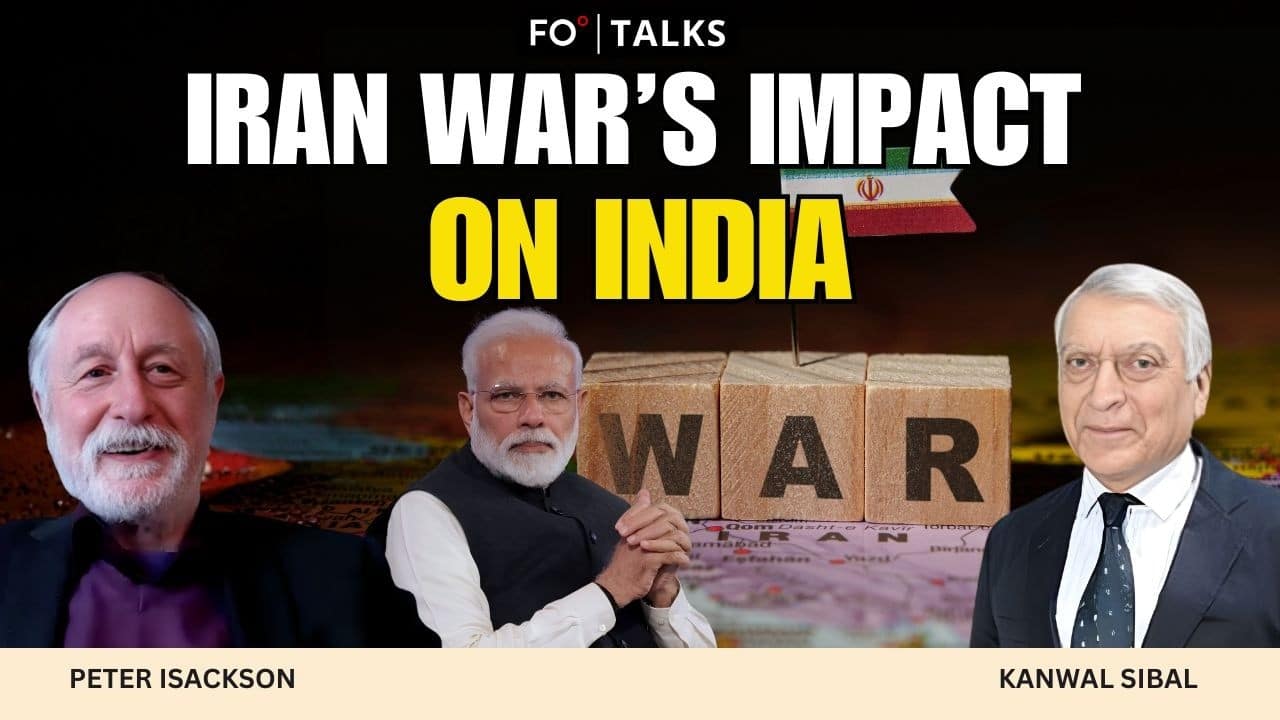
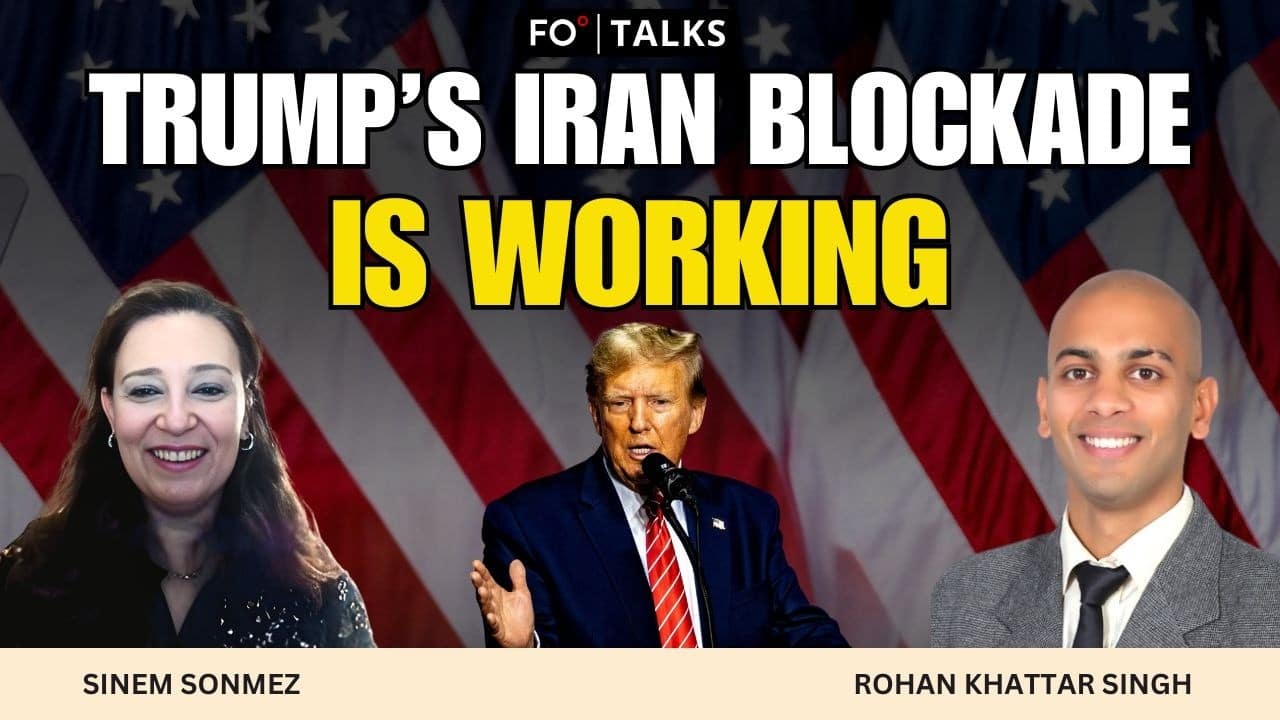
By Atul Singh, Manu Sharma | March 26, 2026 We also publish a Kiwi based in Beijing who is an astute businessman and a philosophical man of the world. David Mahon has become a regular author whom many love and some accuse of being too close to Beijing, but who is original and thoughtful in his analysis. By David Mahon | May 05, 2026 Kanwal Sibal was India’s foreign secretary and is one of the best-known foreign policy wonks from that part of the world. His conversation with France-based Chief Strategy Officer Peter Isackson provides light from yet another prism. By Kanwal Sibal & Peter Isackson | May 31, 2026 Hossein Amjadi is an Iranian political analyst and writer based in Germany. His analysis offers us a different Iranian prism from Mehdi’s and is extremely valuable to get a fuller picture of the current situation. By Hossein Amjadi | June 09, 2026 By Hossein Amjadi | June 16, 2026 We also publish a Pashtun policy wonk from Afghanistan, now based in Turkey, and a learned lady who grew up in Turkey and now has become an American. Ali Omar Forozish makes a case against a fragmented Iran, while economist Sinem Sonmez argues that Iran cannot sustain the war. By Ali Omar Forozish | March 17, 2026 By Sinem Sonmez & Rohan Khattar Singh | May 08, 2026 As you can see, we cast a wide net. We publish those we disagree with, even when they work in a think tank next to Pakistan’s nuclear command. We believe in debate, dialogue and discourse. We want you to publish with us and spread the word. As we sign off hoping for the Strait of Hormuz to open, we recognize and realize that we are just two souls in the human procession hammering away our keyboards on the two coasts of America to meet a deadline set by our colleague in John Calvin’s Geneva, which has been in the news because G7 leaders have been flying in and out of the city to decide the fate of the world. Ciao! Atul Singh and Cheyenne Torres Related Reading
|
||||||||||||||||||||||||
|
We are an independent nonprofit organization. We do not have a paywall or ads. We believe news
must
be free for everyone from Detroit to Dakar. Yet servers, images, newsletters, web developers and
editors cost money.
So, please become a recurring donor to keep Fair Observer free, fair and independent. 
|
||||||||||||||||||||||||
|
||||||||||||||||||||||||
| About Publish with FO° FAQ Privacy Policy Terms of Use Contact |








Explore More FO° Reflections




Support Fair Observer
We rely on your support for our independence, diversity and quality.
For more than 10 years, Fair Observer has been free, fair and independent. No billionaire owns us, no advertisers control us. We are a reader-supported nonprofit. Unlike many other publications, we keep our content free for readers regardless of where they live or whether they can afford to pay. We have no paywalls and no ads.
In the post-truth era of fake news, echo chambers and filter bubbles, we publish a plurality of perspectives from around the world. Anyone can publish with us, but everyone goes through a rigorous editorial process. So, you get fact-checked, well-reasoned content instead of noise.
We publish 3,000+ voices from 90+ countries. We also conduct education and training programs
on subjects ranging from digital media and journalism to writing and critical thinking. This
doesn’t come cheap. Servers, editors, trainers and web developers cost
money.
Please consider supporting us on a regular basis as a recurring donor or a
sustaining member.
Will you support FO’s journalism?
We rely on your support for our independence, diversity and quality.





Comment