



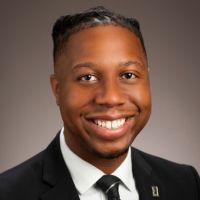

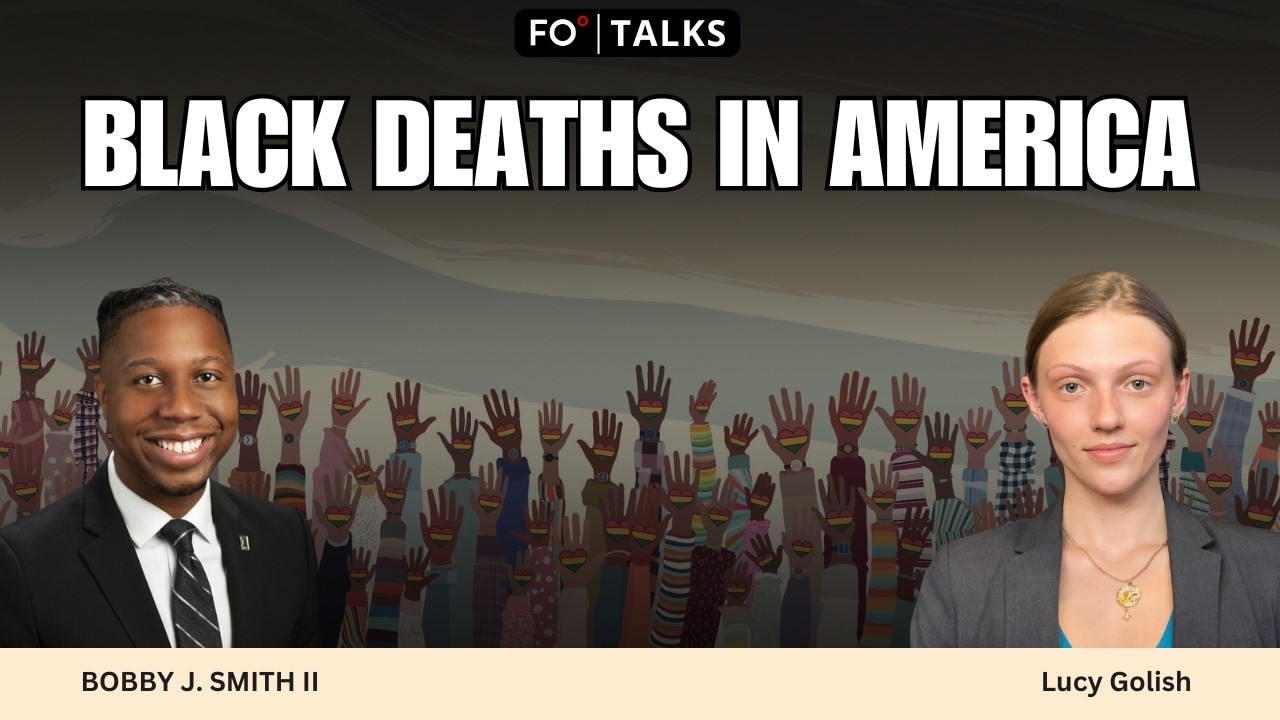
Fair Observer editor Lucy Golish speaks with Bobby J. Smith, Associate Professor of African American Studies at the University of Illinois–Urbana-Champaign, about the long history of underinvestigated Black deaths in the United States. Smith states that racial assumptions shape how victims are portrayed, how authorities conduct investigations and whether grieving families receive answers. He calls for greater scrutiny of investigative protocols, stronger accountability for legal actors and media coverage that treats black victims as human beings rather than entertainment.
Black deaths reveal a historical pattern
Smith traces today’s controversies to the 1955 murder of 14-year-old Emmett Till, although he stresses that the killing of black Americans under racist circumstances began long before then. Black communities have consistently protested such deaths, but the broader public and those in power have often failed to respond with the same urgency.
Smith argues that this indifference reflects assumptions that black people are inferior or disposable. When a black person dies violently, public discussion frequently focuses on the victim’s behavior. People ask why the victim entered a particular neighborhood, stayed outside late or attended a certain gathering. The victim consequently becomes a suspected participant in their own death.
This tendency is especially pronounced when the victim is young. Golish describes the adultification of black children, who are denied the freedom to make the ordinary mistakes associated with adolescence. Smith contrasts their treatment with that of white children, who are more often allowed to experiment, misbehave and mature without their actions defining the remainder of their lives.
Media can humanize or exploit victims
Mamie Till-Mobley, Emmett’s mother, understood that media exposure could compel the country to confront what happened to her son. Her decision to hold an open-casket funeral and permit photographs of Emmett’s mutilated body helped mobilize black Americans and attract wider attention to the Civil Rights Movement.
Modern social media operate differently. Graphic recordings appear repeatedly in algorithmically selected feeds, often without context. Smith stopped watching videos of black people being killed during the Black Lives Matter movement because they were affecting his mental health. He fears that constant exposure has desensitized audiences. “Black death should not be entertainment,” he says.
Body-camera footage can provide indispensable evidence, particularly when official accounts conflict with what occurred. Yet posting such material for attention or advertising revenue turns suffering into a commodity. Smith places this practice within a much older history that includes the sale of lynching postcards. As he bluntly observes, “black death is lucrative, sadly.”
Investigators skip essential steps
Golish raises cases in which authorities reached preliminary conclusions before completing basic investigative work. They quickly decided Carter Jackson’s death was a suicide, while Tamila Horford’s fatal fall from a balcony was an accident. Their families questioned whether authorities had collected evidence, interviewed everyone involved or adequately considered foul play.
Smith rejects the suggestion that racial prejudices merely enter otherwise neutral investigations. He argues that they are already woven into American institutions and communities. Proper investigations require authorities to preserve and analyze evidence, interview relevant witnesses and avoid reaching conclusions before completing established procedures.
Investigators already receive professional training and operate under formal protocols. The immediate problem, Smith contends, is therefore not an absence of rules but the failure to apply them consistently. Preliminary findings can become permanent explanations even when important questions remain unanswered.
Unresolved cases prolong families’ grief
Smith describes the investigation into Nolan Wells’s death as one of the most improper he has encountered in years. Wells died after attending a gathering with numerous people, yet conflicting accounts have left the circumstances unclear. Smith finds it extraordinary that so many potential witnesses were present without investigators establishing what happened.
Official failures have encouraged the rise of online sleuths who collect posts, compare accounts and construct their own timelines. Some uncover information that authorities appear to have overlooked, but the resulting speculation can also create chaos, threaten witnesses and obscure the victim’s life.
The absence of answers deprives families of resolution. Determining what happened cannot reverse a death, but it can allow relatives to grieve without constantly defending their loved one against accusations of drunkenness, criminality or suicide.
Accountability begins with investigative protocols
Smith distinguishes between the law and the people responsible for applying it. Laws may establish procedures, but investigators, coroners and other officials interpret evidence and exercise institutional power. Reform must therefore examine the conduct of these system actors.
He proposes comparative case studies to establish why investigative protocols succeed in some jurisdictions but fail in others. Departments may also need additional resources to manage demanding caseloads, but limited capacity cannot justify abandoning essential procedures.
Smith urges activists and journalists to obtain their local departments’ investigative protocols, study them and identify skipped steps. Investigators must investigate every death thoroughly, regardless of the victim’s race, and provide families with the answers and justice they deserve.
[Lee Thompson-Kolar edited this piece.]
The views expressed in this article/video are the author’s own and do not necessarily reflect Fair Observer’s editorial policy.



































Comment