






Fair Observer’s Video Producer Rohan Khattar Singh speaks with journalist Karimi Gatimi and filmmaker Dickens Awiti about French President Emmanuel Macron’s visit to Kenya and France’s broader effort to rebuild influence in Africa. Against the backdrop of France’s expulsion from several Sahel states, Gatimi and Awiti argue that Paris is pursuing a pragmatic pivot toward Anglophone Africa. They explore Kenya’s evolving foreign relationships, the country’s economic pressures and the increasingly competitive geopolitical landscape shaping African diplomacy.
France’s pivot to Anglophone Africa
Macron’s visit centered on a major summit in Nairobi that brought together 35 African presidents and thousands of delegates. Awiti notes that the gathering was historically significant because it marked the first time such a French-led summit was held in an English-speaking African country. The decision reflected France’s growing interest in partnerships beyond its traditional Francophone sphere.
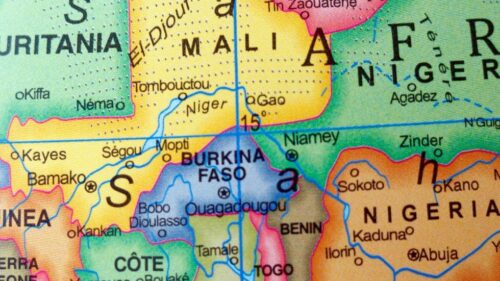
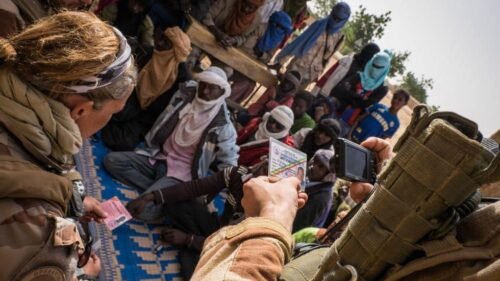
The shift comes after a difficult period for Paris. In recent years, military governments in Mali, Niger and Burkina Faso expelled French forces and deepened cooperation with Russian security actors. Awiti describes France’s departure from the Sahel as a painful setback and suggests that Kenya offers an opportunity for France to demonstrate that it can still build influential partnerships on the continent.
Simultaneously, both speakers emphasize that France’s relationship with Kenya differs fundamentally from its relationships in former French colonies. Kenya’s interactions with France have largely been shaped by business, education and cultural exchange rather than the tensions that characterize many Francophone states.
From aid to investment
For Gatimi, the summit’s most important outcome was not a specific agreement but a change in mindset. She states that African leaders and participants increasingly reject relationships based on aid and dependency. Instead, discussions focused on investment, entrepreneurship and mutual benefit.
Awiti agrees that the event served primarily as a diplomatic and commercial opening rather than a venue for major policy breakthroughs. He characterizes it as a “charm offensive” designed to create a favorable environment for French businesses seeking opportunities in Africa.
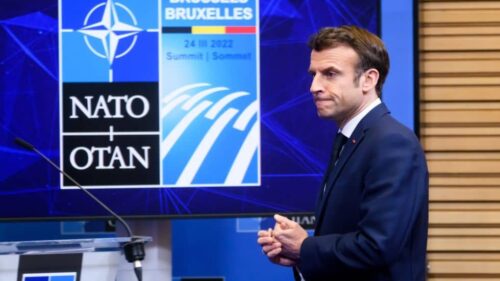
The visit came with controversy. Macron’s widely discussed attempt to quiet a noisy audience during one event drew criticism and revived debates about lingering colonial attitudes. For some observers, the incident symbolized older power dynamics that France still struggles to overcome.
Nevertheless, both speakers acknowledge France’s substantial economic weight and longstanding presence in Africa. French companies remain active across multiple sectors, while institutions such as the French Cultural Center have played a significant role in supporting Kenya’s creative industries for decades.
Why Kenya matters
Gatimi believes Kenya’s growing importance explains much of the renewed international interest. The country is widely viewed as one of Africa’s more stable economies and attracts attention from the United States, Europe, the Gulf states, China and other partners.
She stresses that Kenya approaches these relationships pragmatically. As she puts it, “Whoever marries my mother becomes my father.” The saying captures a broader attitude that foreign partnerships should be judged primarily by the benefits they bring to Kenyan society rather than by historical loyalties or ideological commitments.
Awiti echoes this view. Unlike many Francophone societies, where France retains deep cultural and political influence, many Kenyans have a less emotional relationship with their colonial past. Foreign partners are evaluated according to investment, jobs and development opportunities rather than symbolic considerations.
This practical approach has allowed Kenya to maintain relationships with a wide range of global actors simultaneously, positioning itself as a diplomatic and economic hub in East Africa.
Kenya’s balancing act
The discussion places France’s outreach within a broader contest for influence across Africa. China has become a dominant economic player through infrastructure investment and trade. Russia has expanded its presence in areas where Western powers have retreated. The US remains influential but faces growing skepticism about its long-term commitment to the continent.
Rather than aligning exclusively with any single power, Gatimi argues that Kenya seeks partnerships that advance national interests. She emphasizes the importance of infrastructure development, technology transfer and investment while warning that corruption and weak institutions can undermine the benefits of foreign engagement.
Gatimi and Awiti both suggest that Kenya’s future foreign policy will continue to be guided by practical considerations rather than ideological preferences. The country’s leaders are likely to work with whichever partners offer the most useful opportunities for economic growth and development.
Economic pressures driving foreign policy
Awiti concludes that Kenya’s domestic challenges are ultimately the strongest force shaping its international relationships. The country faces rapid population growth, persistent unemployment and significant fiscal pressures.
According to Awiti, Kenya is borrowing heavily to sustain government spending, while debt is growing much faster than the broader economy. He notes that around one million young people enter the labor market each year while fewer than 100,000 jobs are created. These realities place enormous pressure on political leaders to secure investment and financing.
As a result, Awiti says, Kenyan policymakers are less concerned with ideological debates than with finding resources to fund development projects and maintain economic stability. “The Chinese, the Turks, Egyptians, the Indians, the BRICS, the UK, the US — I think these guys will go on a shopping spree. Wherever they get the money, they bring it home.” In that environment, Macron’s visit represents less a return of old colonial relationships than another chapter in Kenya’s search for partners capable of helping it meet urgent economic needs.
[Lee Thompson-Kolar edited this piece.]
The views expressed in this article/video are the author’s own and do not necessarily reflect Fair Observer’s editorial policy.

































Comment