






 | ||||||||||
| ||||||||||
Dear FO° Reader, Geneva has had an impressively hot week, the kind that makes one want to sit under a tree and pray for some breeze, or by the lake and catch up with some reading. Which is exactly what I was doing when I stumbled onto a story that I think matters well beyond this small city. Geneva is older than Switzerland As a self-governing entity, Geneva predates what we now know as Switzerland. While the first four cantons — member states of Switzerland — technically signed a treaty in 1291, Geneva had already existed as a city from the Middle Ages until the end of the 18th century. It went through centuries of bishops and dukes of Savoy, became a Calvinist Republic under John Calvin and was briefly annexed by Napoleon’s France. On September 12, 1814, the Genevan Republic was finally admitted to the ranks of the Swiss cantons. The official name is still “The Republic and Canton of Geneva.” It’s a serious distinction, but let’s see if it holds up to its etymology: res publica (the public affair).
Geneva Francs, before the Swiss Franc was established in 1850. Via Wikimedia Commons. This year, in 2026, the city is celebrating the 500th anniversary of its parliament, the Grand Conseil. The date is symbolic, as no official document proclaiming it can be found. The milestone refers to a treaty of alliance with Bern and Fribourg in 1526, which mentions an assembly of citizens called to validate the accord: the precursor of the Grand Conseil.
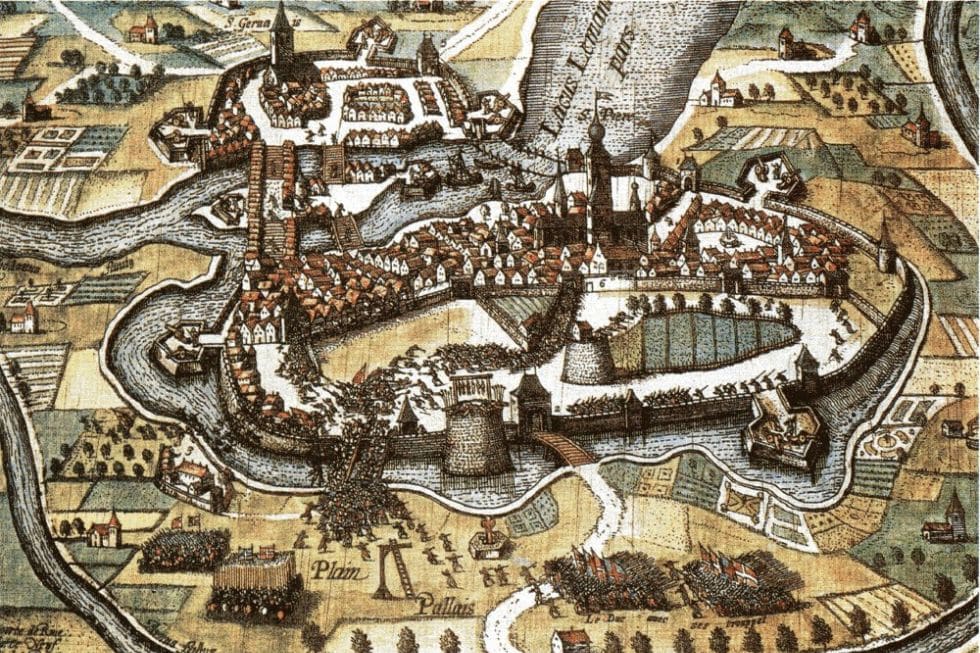
Geneva, historical representation. Via Wikimedia Commons. The world’s most direct democracy is living a paradox Switzerland is often considered the gold standard of democratic participation. Yet in the last federal elections in October 2023, only 47% of eligible voters nationwide turned out. In Geneva, the situation is even more stark: Turnout plummeted to just 30%. In 1933, voter turnout was a whopping 81%, and it has since decreased, slowly but surely. Research hypothesizes a negative correlation between the frequency of federal elections and voter turnout, pointing to voter fatigue. But beyond fatigue, I observe a deeper cynicism: Many people feel that voting doesn’t change the outcome, that a “ruling caste” decides regardless and that younger generations feel their priorities — climate, food security, inequality — are ignored. If we do the math, considering that turnout in Geneva is a mere 30% — well below the national average — the elected government ends up with a genuine mandate from perhaps less than 20% voting residents. This is before counting the people who can’t vote at all, such as recent immigrants and those under 18. They live here, pay taxes, use schools and hospitals, but have no say in how the res publica allocates its resources. A citizens’ assembly: proposed, then canceled Against this backdrop, a group of researchers and civil society organizations started asking an uncomfortable question: Why, in this model democracy, do so few people actually participate? And what can be done about it? Their answer was a citizens’ assembly: 100 randomly selected residents who would meet, learn, deliberate and make concrete proposals. The project was led by the Canton’s Bureau of Integration and Citizenship, alongside the University of Geneva’s InCite institute, and was designed to address declining voter participation. More than 900 citizens had signed up. Enthusiasm was real. And then, on February 13, 2026, the very day the Grand Conseil was celebrating its 500th anniversary, Le Centre and the Parti Libéral-Radical (Liberal Radical Party, or PLR) filed a resolution to cancel the assembly, just one month before its planned launch. The parliament voted to kill it. Les Verts-Geneva (The Green Party) called it “a fine irony” — celebrating 500 years of democracy by shutting down a democratic experiment. In their official statement to the Grand Conseil, Les Verts-Geneva argued that the cancellation represented a missed opportunity to address declining civic engagement. Critics in parliament, including representatives from Le Centre and the PLR, argued the assembly “rests on no specific mandate clearly defining its status, role, limits, and articulation with existing democratic institutions.” While procedural rigor is vital, one must ask: Is this a heartfelt concern for democratic integrity, or a convenient shield against experimentation? After all, few major public projects begin with a perfectly defined budget and scope from day one. Demanding absolute clarity before allowing citizens to deliberate seems less like a defense of democracy and more like a refusal to let the public define its own process. One might note that demanding perfect clarity on mandates and budgets before launching any civic project is a standard that, if applied universally, would stall countless initiatives. The question remains: is this procedural rigor, or a convenient barrier to experimentation? Sources: Tribune de Genève, Verts-ge Democracy, checks, balances and the cost of not participating Democracy isn’t just about elections. It’s a system of checks and balances, a structure designed so that no single group, party or interest can grab all the levers of power unchallenged. Courts check governments. Parliaments check executives. And citizens, through their votes and their voice, check all of the above. When large parts of the population stop participating, whether from fatigue, cynicism or simply feeling that nothing will change, those checks weaken quietly. The elected minority governs not just for everyone, but increasingly without everyone. And the people most likely to disengage first are exactly those who already feel least heard: recent arrivals, young people below voting age, anyone whose life doesn’t fit neatly into the categories politics was designed around. A democracy that loses them doesn’t collapse overnight. It just slowly stops representing reality. The party that built Geneva never stopped owning it The PLR is the party that built modern Geneva and has never quite stopped running it. The PLR was formed in 2009 through the merger of two of Switzerland’s founding parties, the Liberal Party and the Radical Democratic Party. That gave it, paradoxically, both the youngest name and the longest political history, stretching back over 160 years. In Geneva specifically, it is the largest party, holding 27 of the 100 seats in the cantonal parliament. Historically, the Liberals were deeply anchored in the world of commerce and business, representing the patrician and propertied classes that ran the city for generations. That legacy is not ancient history. The party’s instinct to protect private initiative, limit state intervention and resist structures that might redistribute influence explains a great deal about why it moved, alongside Le Centre, to cancel the citizens’ assembly. It wasn’t necessarily about democracy in the abstract. It was about who gets to shape it. Popular initiatives: the illusion of people power Switzerland’s system of popular initiatives is admired worldwide: Gather 100,000 signatures in 18 months, and your proposal goes to a national vote. The Swiss system allows citizens to propose initiatives, which are put to a referendum if they get 100,000 supporters over an 18-month period. Sounds empowering. The reality is sobering. Of 235 initiatives that have actually been put to a vote since 1891, only 26 have been accepted by both the people and the cantons. That’s roughly one in nine. Most are rejected, withdrawn or quietly buried through counterproposals. The bar is deliberately high, requiring a double majority of voters and cantons. This means a reform can win a majority of individual votes and still fail because smaller, more conservative rural cantons tip the cantonal count the other way. The system works well as a safety valve; it gives people a chance to feel heard. Whether it actually gives them a tool to change things is a different question.
Photo by the Author, vieille ville, ads for a vote campaign. A democracy that listens, yet rarely changes its mind The debate is far from over. A public forum is scheduled for June 10 at 6:15 pm in Salle MS160, Uni Mail, on exactly this question: Is citizen deliberation a threat to democracy or its remedy? (“Délibération citoyenne: menace ou remède pour la démocratie?”) At this forum, three elected members of the Grand Conseil will confront each other’s visions live. If you’re in Geneva, go. And to Professor Matteo Gianni, Dr. Victor Sanchez-Mazas and Professor Nenad Stojanović: We’d love to have you on this blog. Not to relitigate February 13, but to talk about the bigger picture: what deliberative democracy actually looks like in practice, what the evidence says and what comes next when a parliament says no. Would you be up for an interview? You can reach us in the comments below or find us on LinkedIn. The debate isn’t over. It’s just moved venues. Avec mes meilleurs messages, Roberta Campani P.S. For those who caught the wink in the margins: Yes, I’m an anarchist in disguise. Here’s the subtext I couldn’t quite say outright: The state loves to celebrate its own longevity — 500 years of “democracy,” they say — while simultaneously strangling the only thing that could actually breathe new life into it. We’re told that citizens need a “mandate” to speak, that their assemblies must be preapproved, their budgets predefined, their roles prescripted. But who gave the state the mandate to decide what counts as a legitimate voice? The irony is delicious: A republic that calls itself res publica spends its energy ensuring the public has no say in how it’s run. So, when the parliament kills a citizens’ assembly on the very day it celebrates its own birthday, it’s not just bad politics — it’s a confession. It admits that the system isn’t designed for people; it’s designed for power. And if the only way to get a real conversation going is to sneak it past the gatekeepers, then maybe the disguise was worth it. After all, true democracy doesn’t ask for permission. It just happens. Related Reading
Photo by the author, view from West towards the East. | ||||||||||
We are an independent nonprofit organization. We do not have a paywall or ads. We believe news
must
be free for everyone from Detroit to Dakar. Yet servers, images, newsletters, web developers and
editors cost money.
So, please become a recurring donor to keep Fair Observer free, fair and independent. 
| ||||||||||
| ||||||||||
| About Publish with FO° FAQ Privacy Policy Terms of Use Contact |



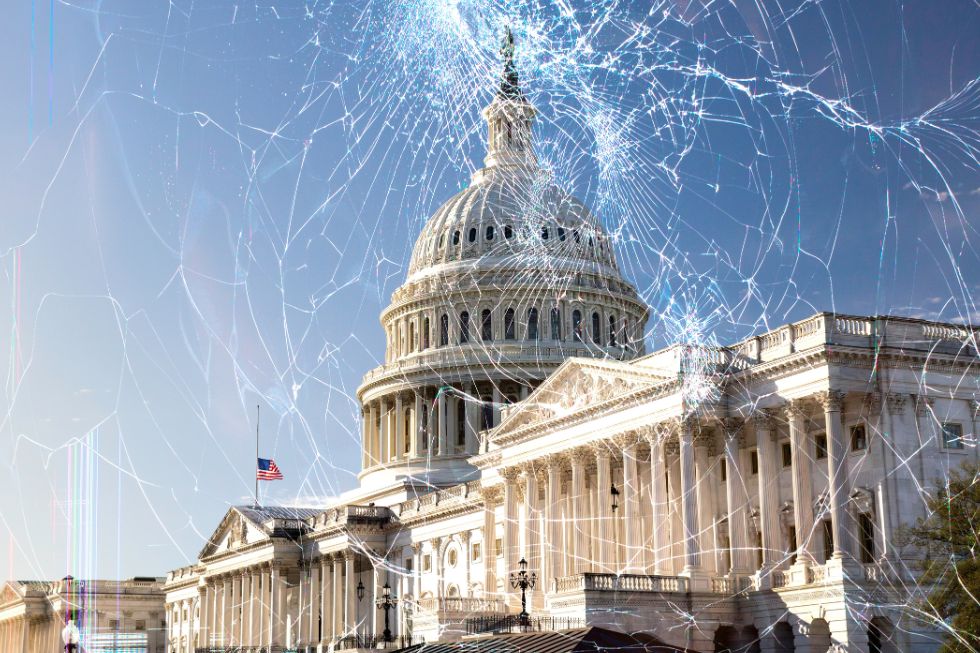




Explore More FO° Reflections
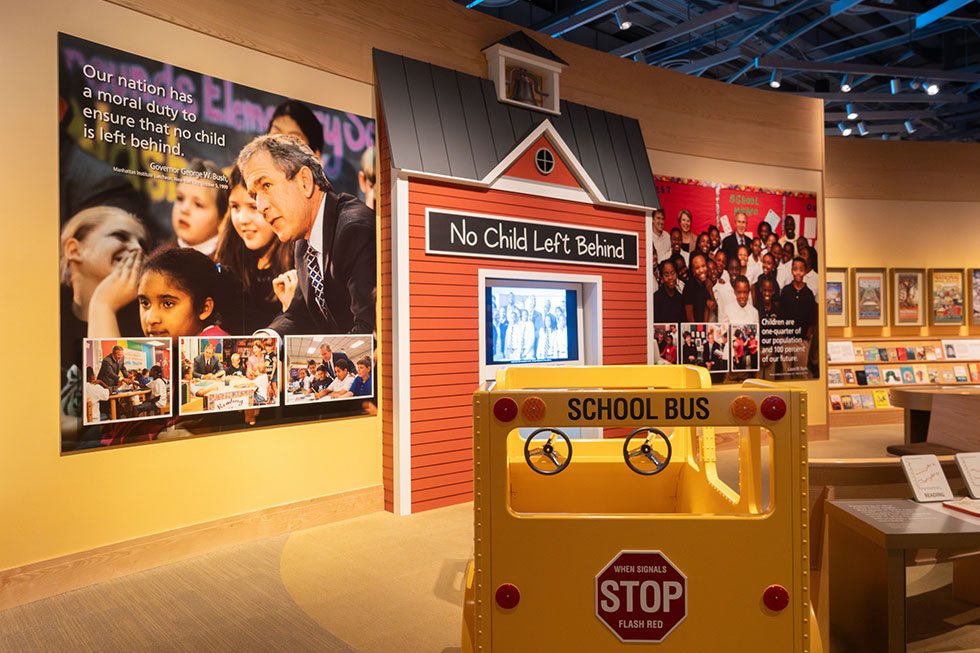
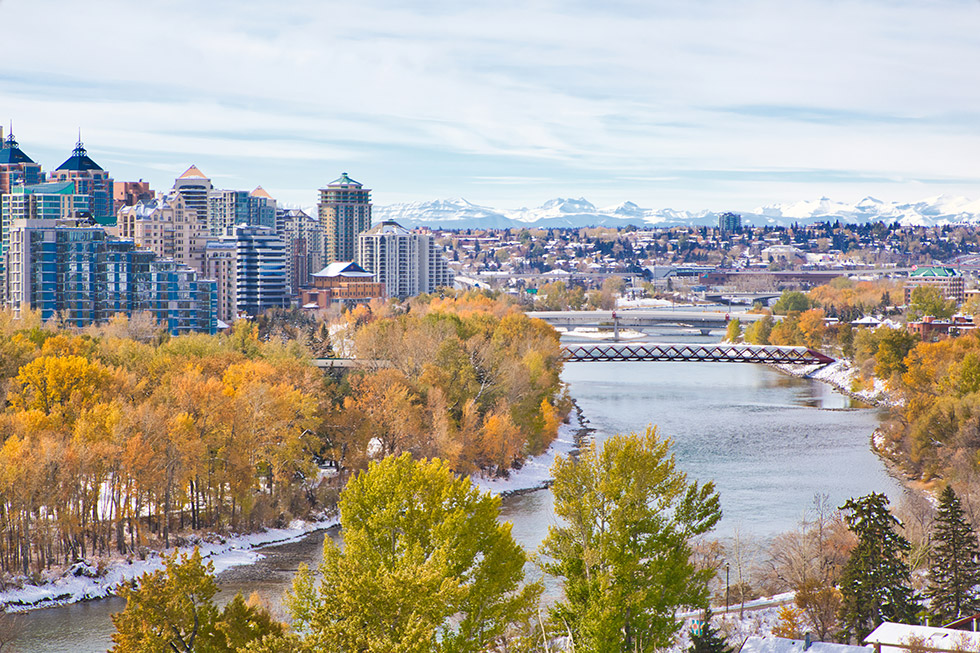

Support Fair Observer
We rely on your support for our independence, diversity and quality.
For more than 10 years, Fair Observer has been free, fair and independent. No billionaire owns us, no advertisers control us. We are a reader-supported nonprofit. Unlike many other publications, we keep our content free for readers regardless of where they live or whether they can afford to pay. We have no paywalls and no ads.
In the post-truth era of fake news, echo chambers and filter bubbles, we publish a plurality of perspectives from around the world. Anyone can publish with us, but everyone goes through a rigorous editorial process. So, you get fact-checked, well-reasoned content instead of noise.
We publish 3,000+ voices from 90+ countries. We also conduct education and training programs
on subjects ranging from digital media and journalism to writing and critical thinking. This
doesn’t come cheap. Servers, editors, trainers and web developers cost
money.
Please consider supporting us on a regular basis as a recurring donor or a
sustaining member.
Will you support FO’s journalism?
We rely on your support for our independence, diversity and quality.





Comment