

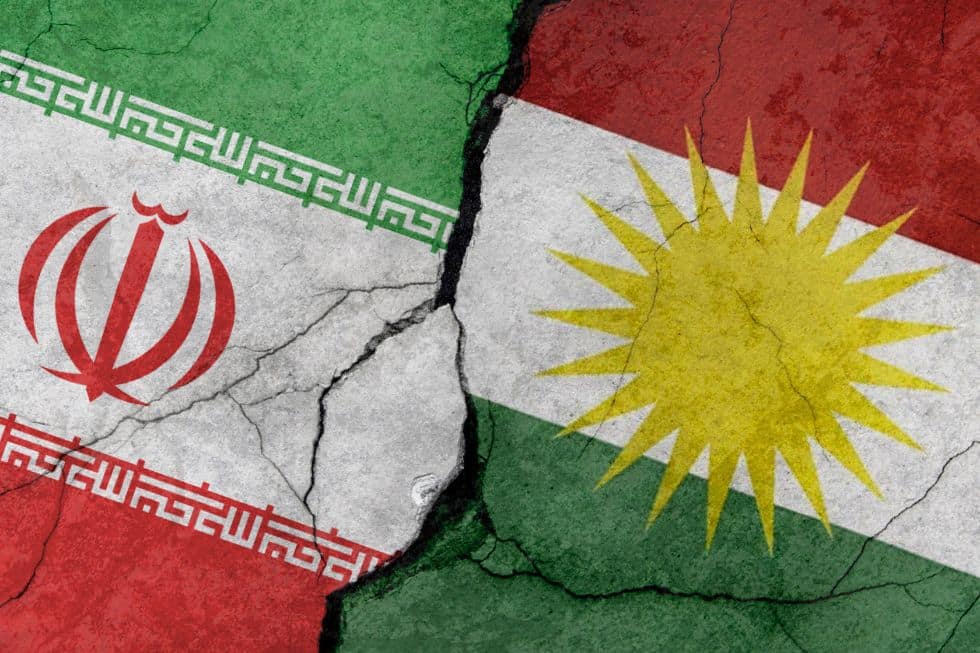



Since the start of the US–Israeli military campaign against Iran, the Kurdistan Region of Iraq (KRI) has come under sustained attack from Iran and its proxies. This is despite Kurdistan Regional Government (KRG) officials declaring that the KRG would play no part in this conflict. In a formal statement, President Nechirvan Barzani stressed that the KRG’s policy is non-involvement and conflict avoidance, and that it poses no threat to any neighboring country.
The assassination of Iranian Quds Force commander Qasem Soleimani in 2020 was a turning point. Iran has made repeated strikes on Kurdish soil ever since in an effort to send a message to the US, Israel and its allies. That pattern intensified following the protests that erupted across Iran in September 2022 after the regime’s killing of Kurdish-Iranian woman Jina Mahsa Amini. Tehran accused Iranian Kurds of instigating the unrest, and the Islamic Revolutionary Guard Corps (IRGC) bombarded the Kurdish-Iranian opposition groups based in the KRI. The current head of Iran’s Quds Force, Esmail Ghaani, went further; he threatened an unprecedented ground military operation against the KRI if those opposition groups were not disarmed.
Since the conflict reignited earlier this year, Iran has intensified attacks on KRI infrastructure. The deadliest strike thus far occurred on March 24, 2026, when Iranian ballistic missiles struck the Peshmerga headquarters in Soran, Erbil Province, killing at least six fighters and wounding around 30 others. Iran claimed it had hit a US and Israeli base at Erbil airport — a claim Barzani rejected as false, and which Iran subsequently acknowledged was an error.
Tehran has also issued direct threats to Kurdish authorities. On March 6, Iran’s Defense Council warned that if Kurdish fighters entered Iranian territory, it would strike all KRI facilities and institutions. On the same day, Ebrahim Zolfaghari, the spokesperson of Khatam al-Anbiya, stated that any attempt by the KRG to deploy hostile forces along the Iranian border would draw a severe response.
Iran’s motivations are multilayered. By opening another front against the US and its regional allies, Tehran seeks to impose economic and strategic costs that could pressure Washington toward ending the campaign. It also aims to force a US withdrawal from Iraq, which would consolidate Iran’s influence there.
Beyond that, Iran wants to send a clear warning to Kurdish authorities: Any involvement in the war, however indirect, will be met with serious consequences. Tehran is particularly alarmed by reports that the CIA and Mossad allegedly worked to use Iranian Kurdish fighters to trigger unrest inside Iran. Given the size of Iran’s Kurdish population, that prospect represents a genuine threat to regime stability.
Iran consistently frames the KRI as a US outpost in Iraq — the one region that resists Iranian influence and refuses to support the withdrawal of US forces. This is despite the KRG’s efforts to maintain workable relations with Tehran. The KRI’s open alignment with Washington, and its consistent backing of efforts to bring Shia militias under state control, places it firmly in Iran’s crosshairs regardless of its declared neutrality.
A state within a state: how militias have turned Iraq into a battlefield
Since the war against Iran began, Iraq has increasingly become a theater of conflict as Iranian-backed militias intensify attacks on US military and diplomatic facilities, the KRI and Arab Gulf States. The most powerful of these groups operate under the Islamic Resistance in Iraq (IRI), organized primarily within the Popular Mobilization Forces (PMF). The core factions, Kataib Hezbollah, Kataib Sayyid al-Shuhada and Harakat Hezbollah al-Nujaba, form the backbone of Iran’s regional Axis of Resistance.
Despite sustained US pressure on Iraqi authorities to curb Iranian-backed militias and bring them under formal state control, successive Iraqi governments have not been able to do so. The government of Prime Minister Mohammed Shia al-Sudani, which was formed in October 2022, has not made any serious effort in this direction. The seriousness of this failure was underscored by the March 27, 2026, statement from Iraq’s Supreme Judicial Council chief Faiq Zidan, who warned that armed factions attempting to decide on matters of war and peace constitute a threat to state sovereignty.
In response to militia attacks, US warplanes carried out airstrikes on PMF and Iranian-allied militias’ positions inside Iraq. On March 24, alleged US–Israeli strikes killed 15 PMF fighters, including the Anbar operations commander, and wounded 30 more at a headquarters in Anbar Province. The following day, a US airstrike on the Habbaniyah Military Clinic killed seven Iraqi soldiers and wounded 13 others; the US denied targeting a medical facility.
The strikes drew strong condemnation from Baghdad. Iraq declared them a serious breach of its sovereignty, authorized the PMF to respond to further attacks on their positions and instructed the Foreign Ministry to summon the US chargé d’affaires and deliver a formal protest note.
To reduce tensions, on March 26, a newly established US–Iraq High Joint Coordination Committee agreed to cooperate in preventing terrorist attacks and ensuring that Iraqi territory is not used as a launching pad for aggression against any party. Despite this agreement, Iranian-allied militias have continued their attacks on the KRI and elsewhere.
Opening a new front line: Kurdistan region under Shia militias’ attack
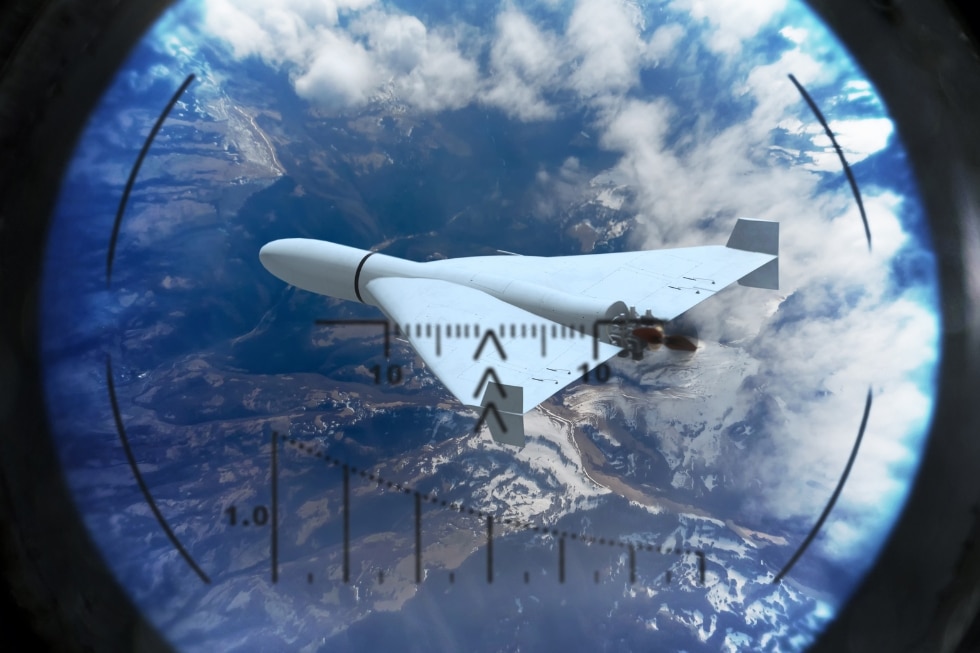
Iran is not only attacking the KRI directly. Since the eruption of the war, it has also pushed its Iraqi proxies to target the KRI as part of its broader campaign. Kurdish sources report that more than 650 drones and missiles struck the KRI between February 28 and April 4. Targets have included the US and United Arab Emirates (UAE) consulates, hotels, infrastructure, oil fields, US military bases, Peshmerga positions, Erbil airport and Iranian Kurdish civilian communities. In a particularly striking escalation, a drone attack on March 28 targeted the Duhok residence of KRI President Nechirvan Barzani. The headquarters of Masoud Barzani, head of the Kurdistan Democratic Party, had previously been targeted multiple times.
The Iraqi government has not taken serious steps to stop these militias. Successive Iraqi governments have been unwilling to confront Shia militia power, and some have actively used these groups as leverage against the KRG. Shia political parties have long deployed militia pressure informally to keep the KRI in a subordinate position. Following the 12-day Israel–Iran conflict in June and July 2025, Iran-aligned militias in Iraq targeted KRI oil facilities, airports, military sites and infrastructure. The KRG submitted clear evidence identifying the perpetrators. Instead of holding anyone accountable, Baghdad responded with denial and evasion.
Beyond unwillingness, the Sudani government also lacks the real authority to act. These groups operate outside the chain of command even as the Iraqi government pays their salaries and arms them. Iraq effectively has two states: a formal state that issues statements and signs agreements, and a deep state that makes the real decisions. The formal state cannot discipline the deep one.
Sudani’s personal interests reinforce this paralysis. Many of the militia factions are his political allies, and their parliamentary seats give them the power to shape who leads the country. Confronting them would likely cost him his political future. For Sudani, strengthening and maintaining his authority appears more important than bringing militia groups under the control of the state or ensuring stability in Iraq.
The worst yet to come: a more dangerous post-war phase for the Kurdistan region
If Iran survives this conflict without a decisive defeat, the consequences for the region will be severe. A regime that endures would likely try to destabilize the region, pursue a more aggressive foreign policy and intensify support for proxies across the Middle East. The KRI has more reason to worry than most.
One possibility is a straightforward intensification of Iranian strikes on the KRI. More likely is a ground military operation targeting Iranian Kurdish opposition groups based in Iraqi Kurdistan, as Iran has once eliminated the Mojahedin-e Khalq presence in Iraq. Tehran is particularly motivated by reports that the CIA and Mossad allegedly coordinated with Iranian Kurdish fighters during the war.
The worst-case scenario involves Iran using its proxies and allied political parties in Baghdad to push Iraq’s Shia-dominated government toward increasingly aggressive policies against the KRI: budget restrictions, border pressure and potentially facilitated military operations against KRI territory.
[Jason Wright edited this piece.]
The views expressed in this article are the author’s own and do not necessarily reflect Fair Observer’s editorial policy.





Join the conversation
Share your perspective
Log in to share your thoughts and take part in the discussion.