





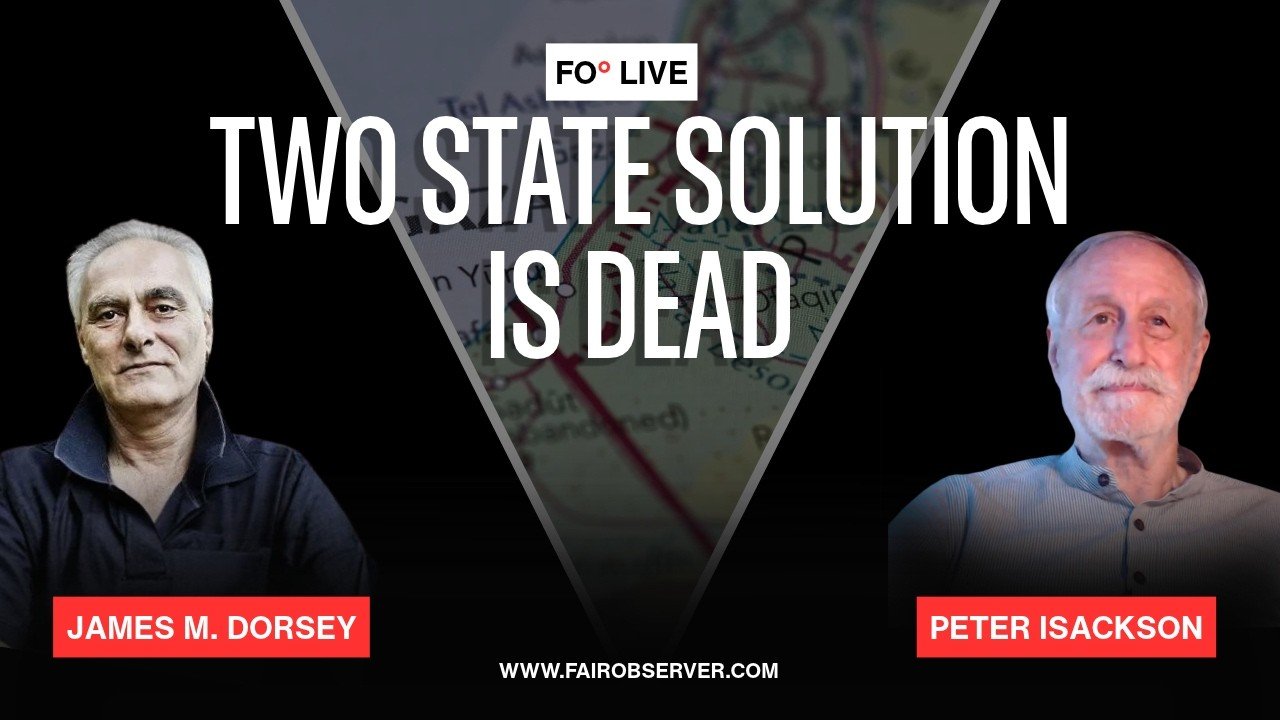
Fair Observer’s Chief Strategy Officer, Peter Isackson, speaks with journalist and author James M. Dorsey about the narrowing possibilities for resolving the Israel–Palestine conflict. With Israeli elections approaching, they examine whether decades of settlement expansion have made a Palestinian state unattainable and whether a different government would change Israel’s course. Their discussion connects this impasse to US military support, Saudi normalization, stalled plans for Gaza and the confrontation with Iran.
How partition became impractical
Dorsey recalls advocating two states in the early 1970s, when the idea faced resistance on both sides. Palestinians sought a secular democratic state with equal rights for Jews and Palestinian Arabs, while Israel insisted on maintaining a Jewish state after its territorial expansion in the 1967 war. The Palestine Liberation Organization’s eventual acceptance of partition in 1988 followed a lengthy internal struggle over recognition, armed struggle and territorial compromise.
Meanwhile, Israeli settlements expanded. Dorsey emphasizes that the policy began under Labor governments, justified through security arguments. After former Israeli Prime Minister Menachem Begin’s 1977 election victory, successive governments increasingly justified settlements through claims to the land itself. Negotiations offered Palestinians autonomy while retaining Israeli security control, rather than sovereign statehood.
Today, Dorsey puts the settler population at roughly 750,000. Partition would require deciding whether settlers remain under Palestinian jurisdiction, remain within Israel through changes to the borders or leave. He considers the political obstacles overwhelming and describes the two-state framework as “an illusion that’s being upheld.”
Yet the alternatives offer little reassurance. Given entrenched hostility, Dorsey fears a single state could produce civil war. Indefinite Israeli domination and recurring violence are also unsustainable. Diplomacy continues invoking partition partly because no acceptable replacement has emerged. Even a successful partition would leave difficult questions unresolved, including the future of Palestinian refugees and the relationship between two neighboring, potentially antagonistic states.
Elections without a strategic break
Isackson asks whether Israel’s internal divisions could threaten its stability. Dorsey rejects the suggestion that a Jewish civil war is approaching. Polarization over Israeli Prime Minister Benjamin Netanyahu and tensions between religious and secular Israelis are real, but he distinguishes these disputes from disagreements over fundamental security policies.
In Dorsey’s assessment, substantial support for settlements, opposition to Palestinian statehood and a more assertive military strategy extends beyond the governing coalition. An opposition government might pay greater attention to international opinion, repair diplomatic relationships and soften its rhetoric. He nevertheless expects considerable continuity in policy.
The election therefore revolves heavily around Netanyahu’s political survival. Different coalition combinations remain possible, including an opposition administration potentially supported by an Israeli Palestinian party. A different coalition, however, would not necessarily bring greater support for the concessions needed to restart negotiations.
American support and regional limits
Isackson presses Dorsey on whether deteriorating international support could force change. Dorsey acknowledges growing criticism but cautions against assuming that external isolation automatically destabilizes a government with substantial domestic backing.
He identifies negotiations over US military assistance as an important test. The existing decade-long arrangement, signed under US President Barack Obama, provides $3.8 billion annually. Dorsey outlines proposals to reduce direct assistance gradually while shifting Israel toward purchasing American equipment, alongside Netanyahu’s stated ambition for military self-sufficiency within ten years.
Saudi Arabia offers no substitute security guarantor. Dorsey recalls commercial and security contacts stretching back decades, including Israeli intermediaries selling nonlethal equipment to Saudi buyers. Turning those informal ties into diplomatic relations, however, would require Israeli concessions on Palestinian statehood.
After Gaza, he argues, Saudi Crown Prince Mohammed bin Salman needs a credible, irreversible path toward Palestinian statehood. Dorsey sees little prospect of an Israeli government delivering that commitment. Morocco illustrates another constraint: Its government cultivates Israeli ties while public opinion remains strongly sympathetic to Palestinians.
Gaza’s blocked political transition
For Dorsey, Gaza exposes the gulf between diplomatic plans and implementation. He describes expanding Israeli territorial control, restricted aid deliveries and Palestinian technocrats prevented from entering to administer daily affairs. The proposed stabilization force has yet to materialize in his account.
Nevertheless, he calls US President Donald Trump’s Board of Peace “the only game in town.” With several countries participating and Hamas engaging with the plan, Dorsey sees a possible opening for negotiations, despite its shortcomings.
That potential depends on American pressure. Dorsey contends that Israel has obstructed implementation and that Trump has shown little willingness to compel Netanyahu to cooperate. Without agreement on an eventual political settlement, administrative proposals cannot resolve the underlying conflict.
Iran and the limits of coercion
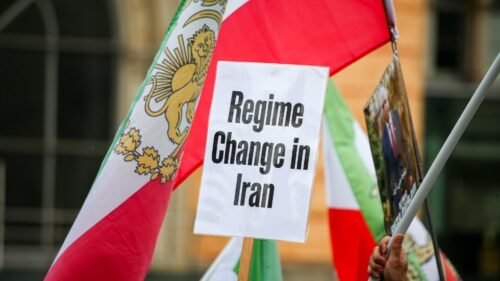
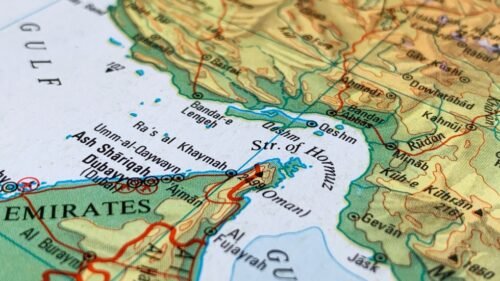
Turning to Iran, Dorsey characterizes the confrontation after the initial joint bombing campaign as primarily American–Iranian, with Israel largely sidelined. America can devastate Iran militarily, he stresses, without achieving its political goals.
He also challenges portrayals of Trump as wholly inconsistent. Beneath tactical unpredictability, Dorsey sees a persistent belief that economic pressure and further bombing can force Iranian submission. Iran remains equally committed to outlasting that pressure. Military strength offers an assured route to political resolution in neither conflict.
[Lee Thompson-Kolar edited this piece.]
The views expressed in this article/video are the author’s own and do not necessarily reflect Fair Observer’s editorial policy.
































Comment