





Editor Lucy Golish speaks with Bahareh Sahebi, a clinical psychologist and licensed marriage and family therapist, about how authoritarian systems shape the psychology of the people who live under them. Drawing on Sahebi’s professional expertise and her experience as an Iranian American, they explore how fear, uncertainty and collective trauma influence relationships, family dynamics and identity across generations. Understanding these systemic influences is essential for helping both survivors of authoritarianism and those seeking to support them.
How authoritarianism reshapes the mind
Sahebi begins by arguing that authoritarian governments exercise power in ways that extend beyond censorship, imprisonment or violence. Over time, persistent fear changes how people think, communicate and relate to others. Rather than focusing on exploration, trust or self-expression, the brain gradually becomes organized around survival.
She explains that this shift becomes internalized. Instead of waiting for external punishment, individuals begin monitoring themselves, anticipating consequences before acting. As Sahebi puts it, “The greatest success of an authoritarian system is not controlling behavior. It is actually reorganizing the psychological processes that produce the behavior.”
These psychological patterns often persist after people leave authoritarian societies. Immigration changes a person’s surroundings, but the survival strategies developed over decades do not disappear overnight.
Families inherit fear
Golish asks how these patterns become embedded across generations. Sahebi explains that authoritarian systems infiltrate family life by encouraging parents to pass survival strategies to their children. Lessons such as avoiding difficult conversations, remaining silent and distrusting others become practical methods of staying safe rather than signs of dysfunctional parenting.
This creates a division between public and private identities, with people learning to present one version of themselves outside the home while preserving another within the family. She says people should understand these adaptations as rational responses to dangerous environments rather than personal failings.
This conditioning also affects ordinary decisions long after migration. Sahebi describes highly accomplished clients who struggle to ask employers for routine accommodations because they instinctively ask themselves not what they want, but what is safest. “People stop asking, ‘What do I want?’ They begin to ask, ‘What is the safest?’”
Living with uncertainty at home and abroad
The discussion turns to communication and the experience of the Iranian diaspora. Sahebi says that communication serves as emotional regulation rather than simply the exchange of information. When contact with loved ones is interrupted, uncertainty activates the nervous system and intensifies anxiety.
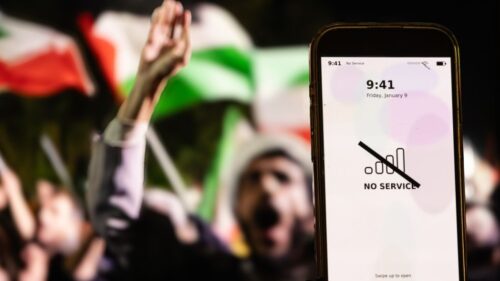
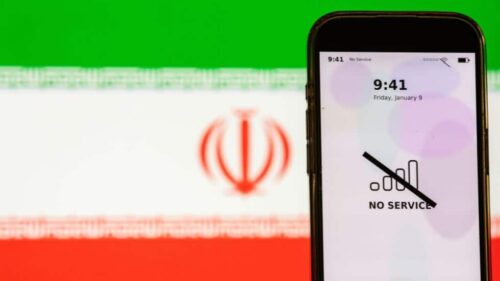
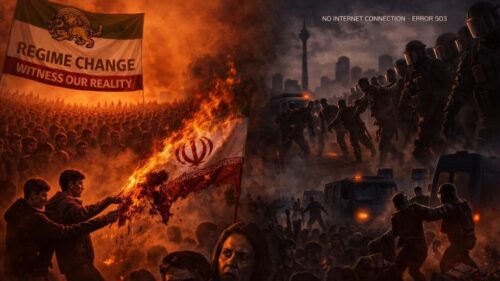
Using Iran’s Internet blackouts as an example, she explains that families abroad often spend days or weeks unable to confirm whether relatives are alive or safe. In those moments, even a simple messaging notification becomes psychologically significant because it restores a sense of connection.
Sahebi states that prolonged uncertainty reshapes perception, encouraging hypervigilance, worst-case thinking and difficulty trusting others. These patterns often persist among diaspora communities, influencing friendships, family relationships and broader social interactions long after people have left the country.
Understanding trauma through systems
Golish asks how therapists can address these deeply ingrained adaptations without dismissing the genuine dangers that produced them. Sahebi distinguishes between challenging unhelpful thought patterns and invalidating lived experience. She emphasizes that evidence-based approaches such as cognitive behavioral therapy remain valuable but should be placed within a broader systemic context.
Rather than viewing anxiety or hypervigilance solely as symptoms, she encourages clinicians to ask what circumstances originally made those behaviors necessary. “Sometimes what looks like hypervigilance is actually wisdom. Sometimes what looks like anxiety is actually accurate risk assessment.”
This perspective, she argues, shifts attention from correcting individuals to understanding how political systems, family structures and social environments shape psychological development.
Reflection, curiosity and recovery
In closing, Sahebi encourages listeners to reflect on how much of their personality may represent adaptations to past environments rather than freely chosen characteristics. For those from authoritarian backgrounds, she asks whether old survival strategies still serve their lives today or continue to shape relationships unnecessarily.
For people without that experience, she suggests replacing assumptions with curiosity by asking what experiences taught someone to be cautious rather than wondering why they appear distant or reluctant to trust. Recovery, she states, begins by recognizing the difference between authentic identity and behaviors developed for survival.
Psychology cannot be separated from politics, history or culture. Understanding how larger systems shape individual lives, Sahebi says, creates greater compassion for others and opens the possibility of rebuilding relationships around trust, curiosity and freedom rather than fear.
[Lee Thompson-Kolar edited this piece.]
The views expressed in this article/video are the author’s own and do not necessarily reflect Fair Observer’s editorial policy.




































Comment