





The opioid epidemic continues to ravage our livelihoods and is more potent than ever. From 2020 to 2022, South Carolina recorded 18,063 opioid overdoses. In 2020 and 2021, Union County had the second and third-highest rates of overdoses out of the 46 counties in South Carolina. Fighting the opioid crisis will cost South Carolina $361 million for the next 15 years. Overdoses have drastically increased since 2016, and we continue to see people we love suffer daily. Are you paying attention?
Despite this debilitating crisis, state politicians have sat idly by, failing to enact meaningful legislation to help. Elected officials and bureaucrats alike have failed to acknowledge healthcare as a complex field that demands choice and flexibility for doctors and patients, and should be driven by practicality rather than politics.
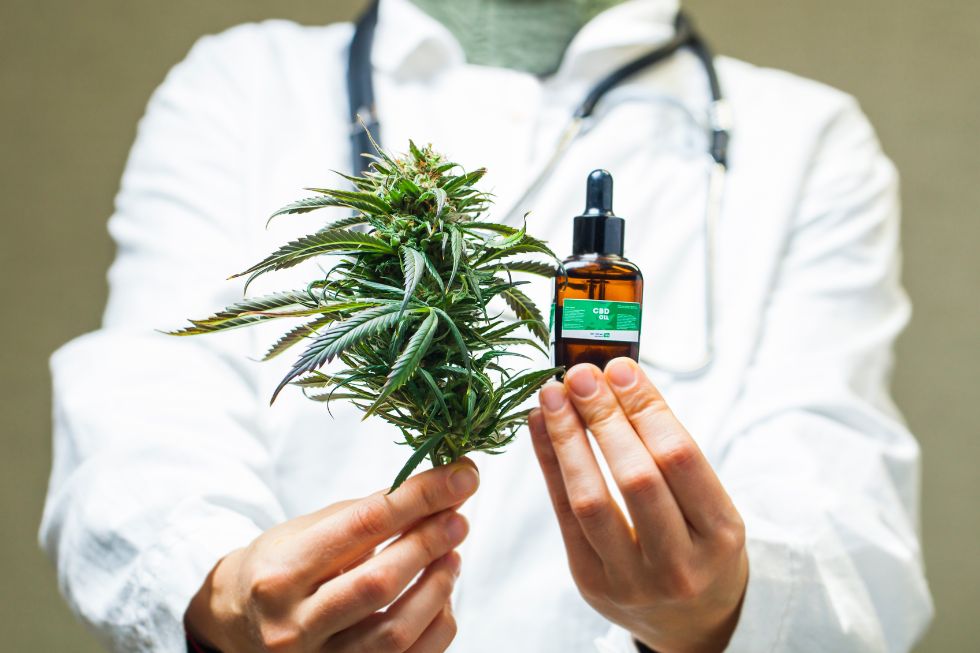
Patients in South Carolina have to rely on opioids to relieve pain and treat their symptoms because of limited treatment options. We must gear our laws to lead patients away from opioid use. We must recognize personal choice and optionality as tools to save lives. We need to legalize medical marijuana in South Carolina.
Expanding options for doctors and patients
The main reason is straightforward: more choices for doctors and patients. When doctors treat patients, they should have a variety of prescriptions they can provide. Pain is a spectrum, and doctors often ask patients to rate their pain on a scale of one to ten. Our drug system should reflect this diversity.
In our current system, the options are extreme. To treat pain, doctors may prescribe over-the-counter medication like Aleve or highly addictive and powerful drugs like OxyContin. Marijuana would offer a reputable “middle option” in this spectrum. Specific diseases marijuana is used to aid include Glaucoma, Epilepsy, Crohn’s disease and Multiple Sclerosis — the latter of which affects 4,000 South Carolinians, according to the state legislature.
Legalization in other states allows concrete benefits for patients — cancer patients in states where marijuana is legal use the drug during chemotherapy to treat appetite loss. In contrast, the current options available in South Carolina are insufficient.
A 2023 study by City University of New York and New York State found that for those who suffer from chronic pain, long-term medical cannabis usage decreases opioid dosages by 47%–51% of the baseline dosages after eight months. Patients can use medical marijuana in many different forms, like vapors, pills, edibles, liquids or topical creams. Thanks to this flexibility, patients can use cannabis without secondhand effects.
Scientists at Rutgers University have also found evidence that medical marijuana legalization can decrease nonmedical opioid use, suggesting that legalization can play a crucial role in reducing opioid dependency and mitigating the opioid crisis.
Breaking the stigma and confronting the past
The current ban on medical marijuana is driven by stigma over substance, no pun intended. When the US enacted the War on Drugs in 1971, the government did not intend to help its citizens. Former President Richard Nixon’s domestic policy advisor, in an interview years later, stated:
We knew we couldn’t make it illegal to be either against the war or blacks, but by getting the public to associate the hippies with marijuana and blacks with heroin, and then criminalizing both heavily, we could disrupt those communities. We could arrest their leaders, raid their homes, break up their meetings, and vilify them night after night on the evening news. Did we know we were lying about the drugs? Of course, we did.</p>
Meanwhile, the effects continue today, specifically for black Americans, as our government steals hopes of future employment and incarcerates small-time offenders with rapists, murderers and wife-beaters. The government chooses to stifle economic growth and progress for black people while we watch our friends, families and coworkers suffer. Do you still think the government has your best interests in mind?
Furthermore, the notion that marijuana is a gateway drug has little evidence to support it. Studies suggesting a correlation between using marijuana and more potent drugs were done on rats, not humans. Other studies also have severe methodological concerns, biases or low data quality.
A 2009 study by the University of Washington found that decriminalizing marijuana possession does not increase marijuana use. However, our current marijuana regulations deny access to lifesaving care while making no impact in preventing drug usage. A rational person would call this a failed law.
Doctors currently use other drugs during procedures without public outrage. For example, doctors use cocaine during sinonasal surgery and heroin as diamorphine during the administration of end-of-life care. The lack of opposition to these practices underscores a staggering cognitive dissonance among our politicians and culture, and fears of medical marijuana are often unfounded.
The rational path forward
Marijuana can have unwanted side effects, as most drugs do. Long-term use of ibuprofen is linked to stomach ulcers, and opioids are highly addictive and fatal when misused. Long-acting insulin can cause changes in vision and hypoglycemia. Chemotherapy can cause osteoporosis and memory problems. Angiotensin-converting enzyme (ACE) inhibitors (primarily used to treat high blood pressure) can cause persistent coughing and skin rashes. In 2005, the American College of Cardiology reported side effects of the ACE inhibitor Ramipril, contributing to a discontinuation rate of 28.9%. Compare this to a 2022 study by Canadian scientists that states adverse marijuana side effects average around 26%.
Despite these risks, marijuana’s benefits and lower risk profile compared to opioids make it a preferable option. Each medication option presents risks; you can find potential side effects on its packaging. However, they can also provide lifesaving benefits, and the more choices we allow for doctors and patients, the more we can improve healthcare and beat the opioid crisis.
The conservative option is not to allow the opioid epidemic to ravage our community and refuse to learn from past mistakes. We should not let politicians stunt our capabilities to live fulfilled lives. More freedom and liberty will always be the best path to progress.
[Kaitlyn Diana edited this piece.]
The views expressed in this article are the author’s own and do not necessarily reflect Fair Observer’s editorial policy.
Food and Drug Administration’s Overreach Threatens Crucial Pain Relief Alternatives
The Food and Drug Administration (FDA) faces criticism for restricting access to 7-hydroxymitragynine (7-OH), a kratom-derived compound that offers relief...

For the First Time, Brazil Challenges Limited Marijuana Law
For 18 years, Brazil’s drug laws did not differentiate between users and traffickers when it came to marijuana, often subjecting...

Support Fair Observer
We rely on your support for our independence, diversity and quality.
For more than 10 years, Fair Observer has been free, fair and independent. No billionaire owns us, no advertisers control us. We are a reader-supported nonprofit. Unlike many other publications, we keep our content free for readers regardless of where they live or whether they can afford to pay. We have no paywalls and no ads.
In the post-truth era of fake news, echo chambers and filter bubbles, we publish a plurality of perspectives from around the world. Anyone can publish with us, but everyone goes through a rigorous editorial process. So, you get fact-checked, well-reasoned content instead of noise.
We publish 3,000+ voices from 90+ countries. We also conduct education and training programs
on subjects ranging from digital media and journalism to writing and critical thinking. This
doesn’t come cheap. Servers, editors, trainers and web developers cost
money.
Please consider supporting us on a regular basis as a recurring donor or a
sustaining member.
Will you support FO’s journalism?
We rely on your support for our independence, diversity and quality.





Comment