





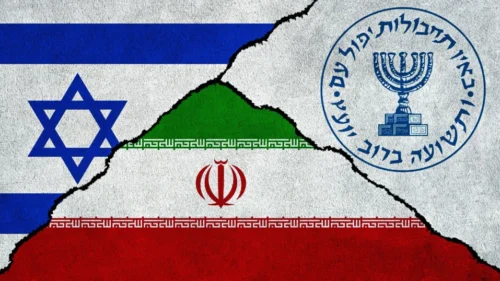
In the early hours of Saturday, October 26, Israeli forces officially attacked Iran for the first time in history. This attack was a direct response to Iran’s missile strike on Israeli territory that took place on Tuesday, October 1, when Iran launched 181 ballistic missiles against Israel. This marked a turning point in the long-running proxy war between Israel and Iran. For the first time, the two countries are now openly in conflict.
Timeline of escalations
The first significant event in this recent escalation occurred on April 1. On that day, Israel bombed the Iranian consulate in Damascus, Syria’s capital. This strike killed multiple high-ranking Iranian officials. Israel was targeting Iran’s growing influence in Syria and the presence of its leaders close to Israeli borders.
Iran quickly retaliated. On April 13, Iranian allies in the Axis of Resistance captured the MSC Aries, a commercial ship linked to Israel. Iran also launched direct attacks on Israeli territory. The Axis of Resistance, which supports Iran in its regional aims, includes Shia groups like the Islamic Resistance in Iraq, Lebanon’s Hezbollah, the Popular Mobilization Forces, the Syrian government, and the Houthi movement in Yemen. It may also involve Palestinian militant groups such as Hamas.
In response, Israel conducted limited airstrikes on April 19. These strikes hit targets in both Syria and Iran, signaling Israel’s willingness to counter any action that could threaten its security. After this exchange, tensions cooled temporarily. Both sides proclaimed victory, and hostilities reverted to indirect, proxy conflict.
The fragile calm shattered on July 31. On that day, Israeli operatives carried out two major assassinations. The first was Fuad Shukr, a senior Hezbollah military commander, who was killed early that day. Shortly after, Ismail Haniyeh, the chairman of Hamas’s Political Bureau, was assassinated in Tehran. These targeted killings heightened tensions dramatically.
A few months later, Iran struck Israel directly. On October 1, Iran launched 181 ballistic missiles toward Israel, marking an escalation into open warfare. Israel’s response came nearly a month later.
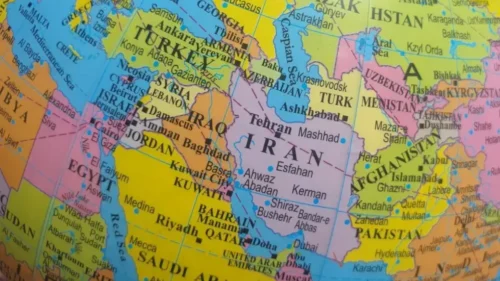
In retaliation for Iran’s October 1 attack, Israel launched an extensive assault on Iranian targets on October 26. Dozens of Israeli warplanes traveled over 1,300 kilometers from their bases to target critical Iranian facilities. The strikes targeted Iranian air-defense systems, specifically S-300 radar and missile systems, as well as missile factories in three different provinces, including areas near Tehran.
Will Israel and Iran go to war?
Fair Observer’s sources suggest that Israeli leaders are planning further strikes. Potential targets could include Iranian oil terminals, missile sites, and nuclear facilities. Israeli Prime Minister Benjamin Netanyahu might consider targeting Kharg Island, Iran’s primary oil terminal in the strategically vital Strait of Hormuz. Special forces from the Israeli Defense Forces (IDF) may also conduct further targeted killings, specifically against key personnel in Iran’s Islamic Revolutionary Guard Corps (IRGC).
Iran has made clear that it wants to avoid a full-scale war with Israel or the United States. The US has played a significant role in trying to limit the scope of this conflict. American officials have issued warnings to both Iran and Israel, urging Iran to avoid any large-scale attacks on Israel while also advising Israel not to escalate the situation. However, the US no longer has as much leverage over Israel as it once did. Continued US military aid is not as vital, in Jerusalem’s view, as the destruction of Iran and Hezbollah’s ability to harm Israelis. They see Iran as weak and believe they must strike while they can.
Iran’s proxy forces, designed to provide a buffer around Iran and deter Israel, have shown limited effectiveness. These proxies can carry out attacks and spread fear, but they have been unable to inflict lasting damage on Israel, which has bolstered Israeli confidence. Despite occasional successful strikes, Iran’s allies cannot challenge Israel’s military defenses over an extended period. Iran’s regime knows that any sustained direct war would push it past the breaking point. Popular resentment against the regime for its repressive religious policies and poor handling of the economy is already high. If the Islamic Republic found itself on the losing end of a foreign war, it would topple.
Meanwhile, Netanyahu also has a precarious political situation. His coalition includes far-right members who advocate for reoccupying Gaza and restoring Israel’s biblical borders. He needs to maintain their political support in order to remain prime minister and avoid pending prosecution for corruption charges. Thus, Netanyahu needs to appeal to this faction, posturing himself as a strong leader capable of resisting Palestinian and Iranian threats. So, he is incentivized to be aggressive, whether or not it is in Israel’s long-term interests.
While Israel may enjoy short- to medium-term security through its aggressive actions, it faces long-term challenges. Its aggressive tack against Iran may push the Islamic Republic to develop a nuclear deterrent as its last defense given Israeli military superiority.
Further down the timeline, Israel faces a demographic risk. Its Muslim population now makes up more than 20% of its citizens, posing a challenge to Israel’s identity as a Jewish state. This trend could reshape Israel’s political landscape — as long as it remains a democracy — by gradually weakening the position of the Jewish majority.
Israeli leadership seems to think it can rescue the country from its precarious position by inflicting a sound defeat on enemies nearby and afar. It remains to be seen how far they will go and whether the gamble will pay off.
[Anton Schauble wrote the first draft of this piece.]
The views expressed in this article/video are the author’s own and do not necessarily reflect Fair Observer’s editorial policy.










































Comment