






 | ||||
| ||||
Dear FO° Reader, This week, we greet you once again from the United States, which is host to this year’s FIFA World Cup. Spirits are high and the excitement is palpable, both from the international tourists visiting American cities for the first time to cheer on their national teams and the American hosts, who usually prefer American Football but have never seen a sport they wouldn’t cheer for. Despite the positive atmosphere, shadows still loom over the stadiums. America is currently negotiating an end to its war with Iran, a conflict America started. US President Donald Trump continues to be a source of division and has spent much of his term in office deliberately trying to alienate nearly every other nation on earth. The Fédération Internationale de Football Association (FIFA) itself is widely seen as corrupt and is seemingly constantly trying to put out one scandal or another.
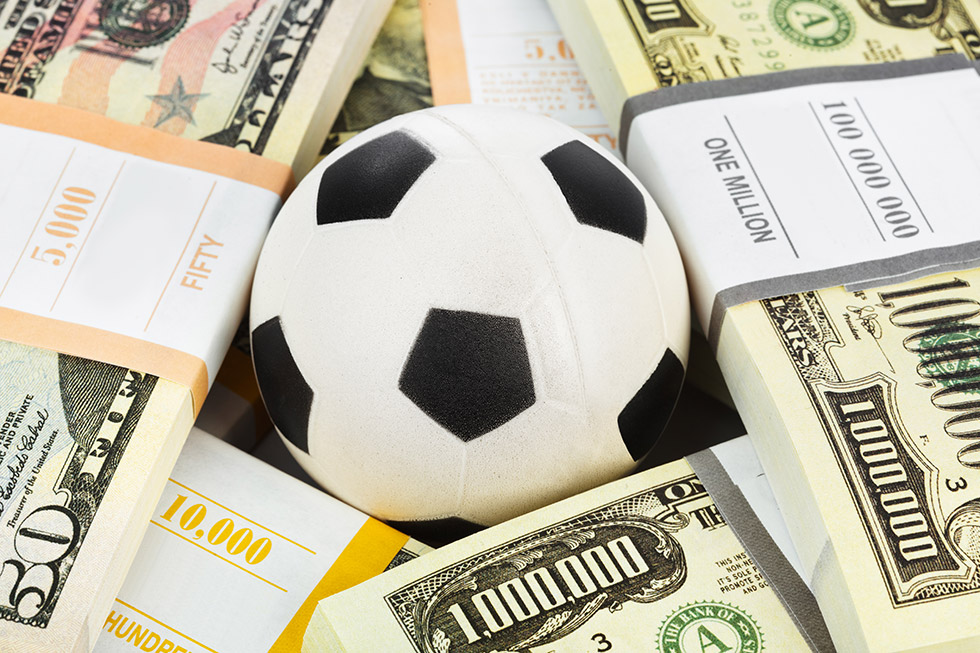
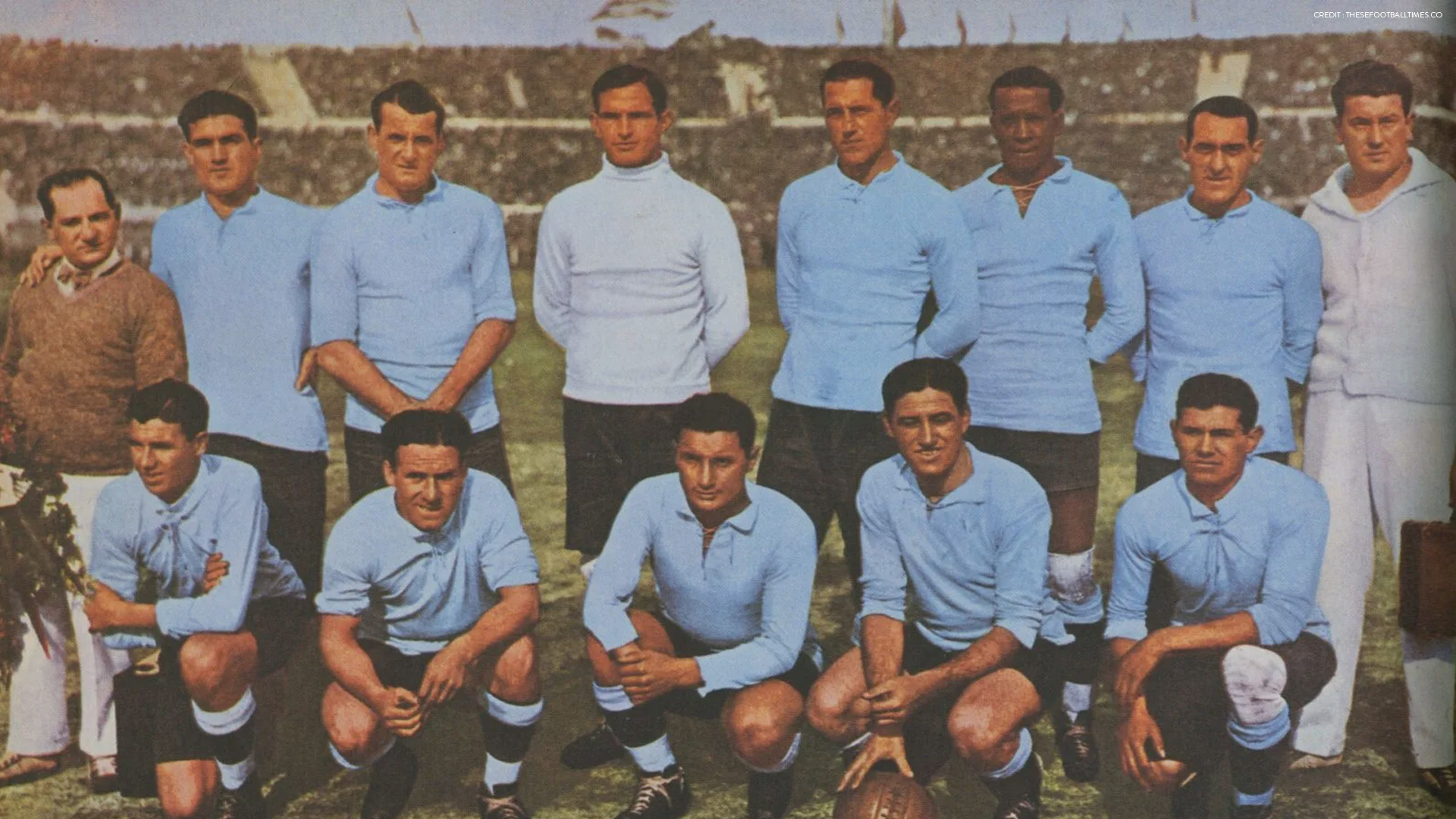
via shutterstock And yet, the greatest show on earth continues to delight and entertain seemingly everyone who watches. In a world that seems to spiral further and further into chaos each and every week, with nations fighting each other in bloody, senseless conflicts, the World Cup keeps going just as strongly as it always has. Why is that? Could it be that the fans of the sport reflect the executives who run it? Or could it be a more hopeful reason, where the games are enjoyed because they stand in stark contrast to the chaos and confusion to the world outside? Penalties before the match: A brief history of FIFA’s scandal It’s always easy to blame the people running the game for any problems. But in FIFA’s case, their poor reputation is all their own doing. For the past few decades, FIFA officials had been raising eyebrows with allegations of mismanagement, financial turmoil and even questionable calls in World Cup games. This all came to a boil in 2015, when the US Department of Justice filed charges against several FIFA executives. The indictment alleged millions of dollars worth of bribes, kickbacks, money laundering and other assorted financial crimes. These backroom dealings included awarding the contracts to host the World Cup, as Russia did in 2018 and Qatar in 2022, both countries with spotty human rights records, likely in an attempt to sportswash both nations’ reputations. A number of commentators noted that Qatar’s hosting was especially egregious, given the allegations of slave labor being used to build the World Cup stadiums. There are hundreds of other examples, from environmental and public spending concerns when new stadiums are built specifically for the World Cup, to allegations of racism by host countries and FIFA’s seeming disinterest in protecting fans and players from it. But everything points to a concentrated pattern of mismanagement, and even after the high-profile arrests, the stink remains in many observers’ eyes. In fact, some would argue this sort of controversy is baked into FIFA’s DNA. As detailed in Fair Observer’s two World Cup timelines, “Football and Politics: An OId Love Affair” and “THE GREATEST SHOW ON EARTH,” FIFA’s World Cups have always seemed to have issues of the day plaguing the games, from sportswashing Benito Mussolini’s Italy and Jorge Rafael Videla’s Argentina, to forcing English players to give a Nazi salute, to being boycotted by the entire continent of Africa over FIFA’s unfair qualification rules.
Sources: 2015 FIFA corruption scandal | Britannica Sportswashing | Britannica Money List of 2014 FIFA World Cup controversies | Wikipedia List of 2018 FIFA World Cup controversies | Wikipedia Human rights issues involving the 2022 FIFA World Cup | Wikipedia The America of it all As one of the host countries, the US has been put in the spotlight. You may have already seen posts on social media of Europeans trying American-style barbecue and other foods for the first time, or heard stories about Scottish fans shutting down all the pubs in Boston after they bought all the alcohol in the city, among many other moments of worldwide camaraderie and joy. But this also distracts from some very serious issues. The US is going through a period of intentional isolationism, international controversy with real and attempted regime change across multiple countries, to the outrage of its allies and the ongoing humanitarian disaster that is the Iran War. As such, the World Cup can once again be seen as a sportswashing event. And in a darkly funny twist, this is the third time in a row FIFA has been accused of doing so on top of all the other controversies that have sprung up this year. This has resulted in yet another Wikipedia page dedicated solely to documenting the bad press FIFA generates, including a controversy with the Iranian national team being told to leave the US immediately after their match against New Zealand, among many other visa issues caused by Trump’s anti-immigration policies. Sources: Scotland fans drink Boston dry as local bars run out of beer | ESPN And yet the show goes on But still, despite everything, the World Cup continues with just as much enthusiasm from fans as it always has. Going back to our original question, why is that? Could it be the cynical reasoning of people only caring about being entertained, and willing to overlook almost anything so long as they get their bread and circuses? Could it be that the people of the world simply willingly choose to ignore, or are ignorant of, all the bad press? Or is it another, more hopeful reason? The World Cup unites nearly every country on earth in a friendly competition between the best players on earth, contending for the title of world champion of the most popular sport on earth. In a time when the entire world seems to be spinning out of control, is it wrong for people to latch onto a peaceful example of (mostly) friendly competition and even cooperation around the world? Or is the answer somewhere in between, or yet another option? We would love to hear your thoughts on why you love or hate the game, and why so many people still tune in despite all the controversy in the comment section. Casey Herrmann Assistant Editor | ||||
We are an independent nonprofit organization. We do not have a paywall or ads. We believe news
must
be free for everyone from Detroit to Dakar. Yet servers, images, newsletters, web developers and
editors cost money.
So, please become a recurring donor to keep Fair Observer free, fair and independent. 
| ||||
| ||||
| About Publish with FO° FAQ Privacy Policy Terms of Use Contact |







Explore More FO° Spotlight
Support Fair Observer
We rely on your support for our independence, diversity and quality.
For more than 10 years, Fair Observer has been free, fair and independent. No billionaire owns us, no advertisers control us. We are a reader-supported nonprofit. Unlike many other publications, we keep our content free for readers regardless of where they live or whether they can afford to pay. We have no paywalls and no ads.
In the post-truth era of fake news, echo chambers and filter bubbles, we publish a plurality of perspectives from around the world. Anyone can publish with us, but everyone goes through a rigorous editorial process. So, you get fact-checked, well-reasoned content instead of noise.
We publish 3,000+ voices from 90+ countries. We also conduct education and training programs
on subjects ranging from digital media and journalism to writing and critical thinking. This
doesn’t come cheap. Servers, editors, trainers and web developers cost
money.
Please consider supporting us on a regular basis as a recurring donor or a
sustaining member.
Will you support FO’s journalism?
We rely on your support for our independence, diversity and quality.





Comment