

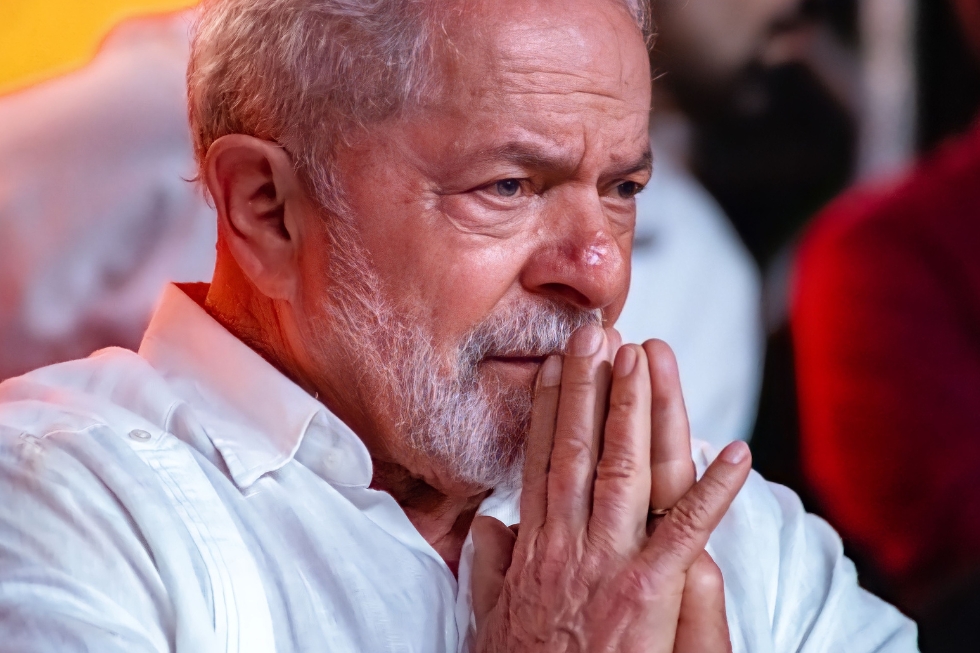



An unusual race is taking place in the 2026 Brazilian presidential election. On the surface, it seems to be a repeat of 2022’s election, as polls show that the nation is still polarized between two candidates. Incumbent Brazilian President Lula da Silva leads with 41% of voting intentions while Senator Flávio Bolsonaro follows closely with 37%. All other candidates sit way below with 5% or less, a scenario that has not changed over the whole year.
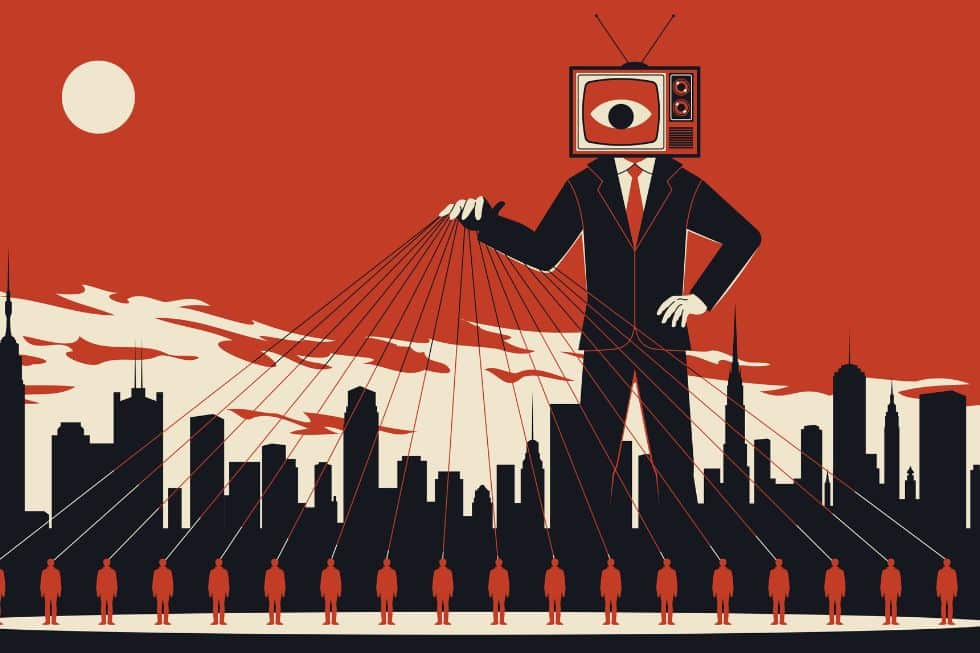
But below the surface, a different battle is pulling the strings: the soft-power president against an opponent who appeals to hard power. Soft power is the ability to shape the people’s preferences, and it operates mainly by diplomacy, science, sports, political values and culture. Hard power, on the other hand, is usually a coercive strength along with economy (the one who holds it against others that depend on it), politics (autocracy, dictatorship and non-democratic acts in democracies) and military (favoring relations by guns, conflicts and wars).
Lula’s friend: soft power
Lula is undoubtedly the candidate best connected with cultural soft power. When racing against Flávio’s father in 2022, former President Jair Bolsonaro, Lula had major support from the most preeminent artists in Brazil, who campaigned for him in the media and on the streets. For their decisive support, Lula had promised to recreate the Ministry of Culture and strengthen popular and peripheral culture, decentralizing public policy by state committees. Throughout his third administration, artists have pressured Lula to approve the Streaming Bill, which charges taxes on streaming platforms and big tech corporations to strengthen national production. The bill, however, faced major resistance from conservative parties and is currently being processed in the Plenary of the Federal Senate, awaiting a vote after returning from the Chamber of Deputies with changes.
Lula also leads in diplomacy and political values. He’s gained a great deal of recognition from international leaders: Ursula von der Leyen, president of the European Commission, said that Lula “is a leader deeply committed to the values we hold dear. Democracy, a rules-based international order, and respect. Respect for our planet, for communities, and for fellow nations. This is the leadership we need in today’s world.” Former US president Joe Biden saluted Lula for his effort to strengthen democratic institutions. French president Emmanuel Macron demonstrated tactile rapport and diplomatic closeness. And former UK Prime Minister Rishi Sunak highlighted Lula’s role in the “promotion of democratic values.”
Science is another soft power source that Lula leads. His three administrations have always emphasized expanding the Brazilian Unified Health System (SUS), and maintaining broad coverage even amidst an international landscape of strained healthcare funding. Leaders of the World Health Organization (WHO) have classified this system as one of the few that cover the entire population regardless of income or nationality. Brazil’s policy for combating HIV/AIDS has been an international benchmark for decades, owing to its pioneering provision of free, universal and comprehensive antiretroviral medication through the SUS. The model frequently receives praise from agencies such as the WHO and the Joint United Nations Programme on HIV/AIDS (UNAIDS).
Lula’s rival: hard power
Lula’s main opponent is not Flávio, a first-term senator whose only approved bill in seven years was to modify the rules of the National Program for Directed Productive Microcredit. Thanks to his surname, Flávio Bolsonaro is far ahead of conservative opponents who have much more political experience and approval. For example, former Goiás state Governor Ronaldo Caiado and former Minas Gerais state Governor Romeu Zema only have 5% and 3% of voting intentions, respectively.
No, Lula’s true rival is the hard power that drives our world today. Wars, weapons, and public safety are hard-power instruments for politicians. In a national survey, 16% of respondents cited public security as the government’s worst-performing area, topping the list of negative ratings. Like his father, Flávio explicitly supports strengthening police forces and making it easier for Brazilian citizens to access firearms. He advocates for civilian gun ownership for self-defense and national sovereignty and defense, justifying it by linking it to external conflicts. He cited the war in Ukraine to argue that weapons enable the population to “defend their nation and their homeland” during times of crisis regarding sovereignty.
The economy is another area of hard power where Flávio enjoys greater support from the business community. He has proposed an economic plan for his presidential campaign focusing on deep cuts to public spending, streamlining the state apparatus and revising fiscal rules. After public safety and health (15%), the economy comes third as Brazilians’ main concern (13%).
Even Lula recognizes domestic and international conditions favor hard-power policies these days. During the launch of a national frigate in the southern state of Santa Catarina — a major support state for Flávio — Lula said Brazil should invest more in national security because it cannot be “caught by surprise” and needs to “take care of itself.”
What an irony. In his 2002 campaign, Lula got the nickname, “Lulinha paz e amor” (“Little Lula peace and love”). But in 2026, during the party convention that formally nominated him, he said his fourth presidential term would switch it to “Lulinha porreta,” northeastern slang (from his birthplace) meaning “Little Lula Badass.” Bye-bye, soft power.
[Lee Thompson-Kolar edited this piece.]
The views expressed in this article are the author’s own and do not necessarily reflect Fair Observer’s editorial policy.






Join the conversation
Share your perspective
Log in to share your thoughts and take part in the discussion.