

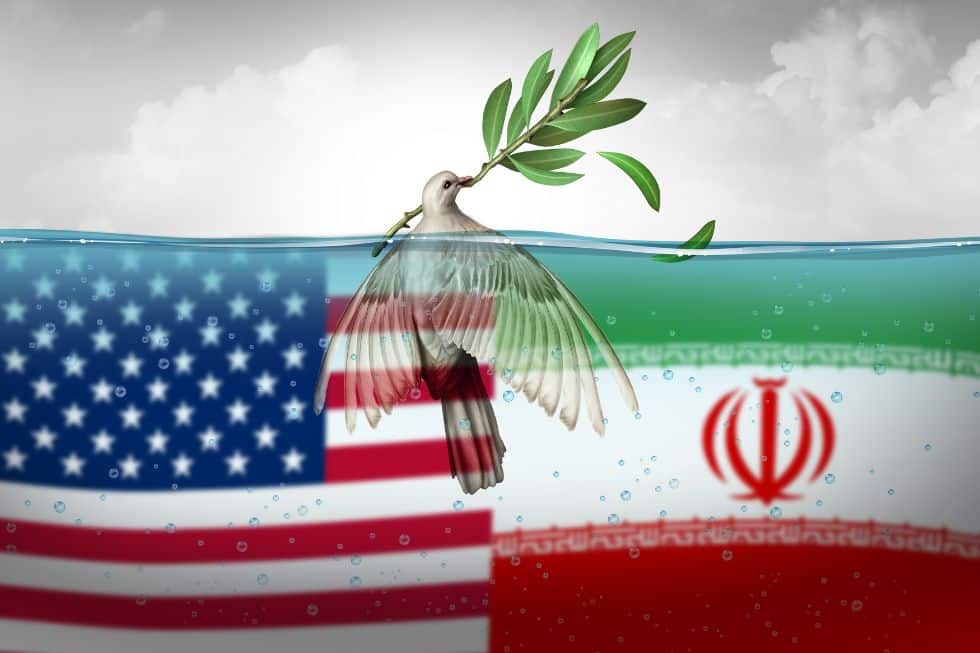



The recent war in Iran is likely to leave a lasting mark on global politics, even if the diplomatic picture continues to evolve. Its effects have been felt far beyond the battlefield, including renewed disruptions to shipping through the Strait of Hormuz, increased pressure on energy markets, attacks on Iranian energy infrastructure and threats to critical facilities across the Persian Gulf. As the US Energy Information Administration has long noted, the strait remains one of the world’s most important oil transit chokepoints, which is why instability there quickly affects prices and expectations far beyond the region.
Beyond the visible damage, the conflict offers lessons that go well beyond the battlefield. It forces us to look past simple claims of victory and defeat and ask a harder question: What did this war reveal about power, credibility, dependence and the real cost of confrontation?
The US and Israel: tactical gains, strategic limits
The US appears to have achieved some of its immediate aims, including damage to parts of Iran’s nuclear infrastructure and pressure on its wider military posture through the war and ceasefire process. Yet the broader outcome is less clear. According to Reuters’ summary of the ceasefire, core disputes over uranium enrichment, missiles and regional influence remain unresolved.
Meanwhile, Israel demonstrated a sustained ability to strike across the region during the conflict, even as the ceasefire left major political questions unresolved. Reports on continuing Israeli operations in Lebanon outside the truce framework suggest that military reach did not automatically translate into a broader political settlement.
Europe: between alignment and distance
Some European governments responded with a mix of support and hesitation. Italy, for example, denied access to Sigonella air base for operations related to the conflict and ruled out Hormuz patrols without a UN mandate. That points to a degree of European unease about escalation, even as Europe remains closely tied to the US on security matters.
In practice, that dependence still shapes Europe’s room for maneuver, especially when regional crises affect shipping routes, energy security and the risk of wider military spillover. This does not mean Europe has become strategically independent, but it may give some European governments a little more room to resist American pressure when interests do not fully align.
China and Russia: gaining without engaging
China and Russia benefited without entering the conflict directly. They avoided the military, diplomatic and financial costs of war while watching the US absorb the burden of escalation without securing a decisive political outcome. For Beijing, distance reduced risk while preserving economic flexibility and the appearance of restraint. For Moscow, non-engagement meant that Washington’s attention and resources were stretched without Russia having to assume new obligations.
This is what makes the conflict relevant to the broader shift toward a more multipolar order. The point is not that American power has disappeared; it is that outcomes are increasingly shaped by several competing centers of influence, and rival powers can gain an indirect advantage when Washington struggles to translate military pressure into durable political results. In that kind of system, American power remains significant, but it faces sharper limits and more frequent challenges.
Iran: external position, internal pressure
The conflict also exposed the limits of personalized leadership. US President Donald Trump’s handling of the war drew criticism abroad and at home. Reuters reported that Pope Leo condemned Trump’s threat against Iran as “truly unacceptable,” while other reporting showed that most Americans opposed the war and wanted it to end quickly. These reactions matter because they highlight how the display of force did not produce a clear political mandate, and how personalized foreign-policy rhetoric can weaken credibility as easily as it can project resolve.
From Iran’s leadership’s perspective, easing some American demands may be presented as a form of resilience. Reuters’ ceasefire reporting makes clear that the truce did not settle the central American demands regarding enrichment and missile capabilities, thereby allowing Tehran to frame the outcome as endurance rather than surrender.
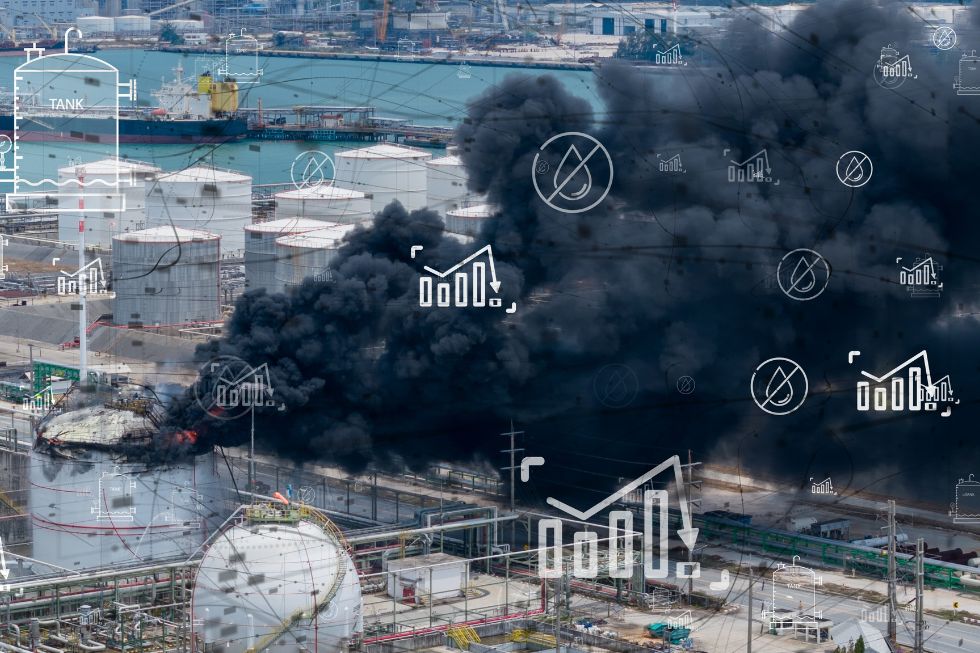
But any external gain comes with a serious domestic cost. Attacks on Iranian energy sites and the broader economic disruption caused by the war have increased pressure at home. Over time, those internal costs may prove just as important as any regional advantage.
Ordinary Iranians have also paid a high price. The war has intensified economic pressure, deepened insecurity and damaged basic infrastructure. Evidence of strikes on energy and industrial facilities illustrates how the burden of conflict extends well beyond military targets.
At the same time, the war may encourage a deeper reassessment of political paths and outside dependence. There are signs of a stronger emphasis on self-reliance alongside caution toward foreign intervention. Whether that becomes a lasting social and political shift remains uncertain, but the experience itself will not be easily forgotten.
The Gulf States: exposed dependence
For the Gulf states, and especially across the Persian Gulf, the war exposed continuing vulnerability. Iranian attacks targeted oil, power and desalination infrastructure in Kuwait, while a key Saudi oil pipeline was also hit. These incidents underline how heavily regional security still depends on external protection, especially from the US.
That may push Gulf governments toward a more pragmatic regional approach, including a reassessment of how they manage relations with Iran in the years ahead.
At the same time, this kind of disruption may deepen public awareness of what war really costs and may strengthen support for diplomacy in future crises. The war also exposed something deeper than strategy. It showed how easily humanitarian concerns can be pushed aside when conflict becomes politically convenient. Some of those who supported or justified the war did so while minimizing its human cost.
In any future transition, political or otherwise, the role of actors committed to basic ethical standards will matter greatly. Without that commitment, the danger is not only instability but moral erosion.
[Rosa Messer edited this piece]
The views expressed in this article are the author’s own and do not necessarily reflect Fair Observer’s editorial policy.







Join the conversation
Share your perspective
Log in to share your thoughts and take part in the discussion.