




Iranian Supreme Leader Ayatollah Ali Khamenei is dead. For decades, he held ultimate political and religious authority over a theocratic regime that continues to oppress Iranians at home and sponsor terrorism abroad. For those who survived torture and other forms of ill-treatment at the hands of this regime, those who were forced to flee their homeland to escape persecution, and those who lost friends and family — including the thousands of protesters killed by Iranian security forces in January — this is a moment of relief. Khamenei will not be hurting anyone anymore. For some, joy joins relief in an intricate tangle of emotions that only those who have lived under the shadow of the Grand Ayatollah can truly comprehend.
The uncertain future of Iran’s leadership
What comes next is uncertain. A day after Ali Khamenei was assassinated, a three-member council temporarily assumed the duties of the Supreme Leader, until this past Sunday, when his second son, Mojtaba Khamenei, was chosen to be his successor. Iran’s state machinery, albeit weakened, remains intact — for now. The Iranian regime has been preparing for this scenario for a long time. As for US President Donald Trump, there is little reason to believe that he and his team have a strategically sound plan for Iran.
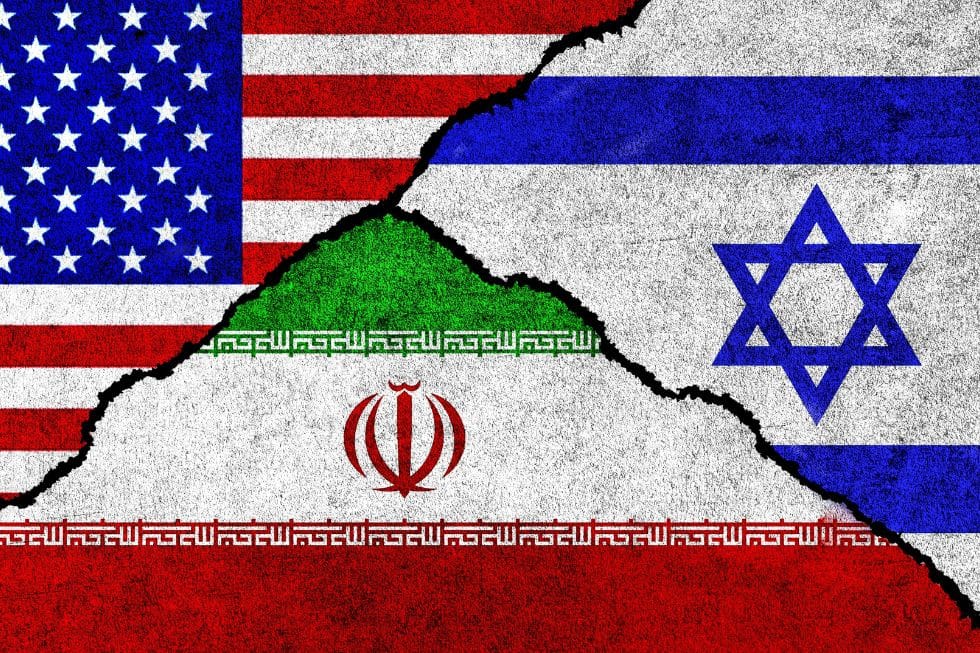
Lindsey Graham, a US senator and longtime Trump ally, said as much in a recent appearance on NBC. Asked by the host if the president has a plan, Graham replied: “No, it’s not his job.” Whatever Trump’s thinking may be, democracy and the well-being of Iranians are not at the forefront of his mind. Hence, there is good reason to be skeptical that the US-Israeli military campaign will lead to a better future for Iranians or a more peaceful Middle East. We can only hope that this skepticism proves to have been misplaced.
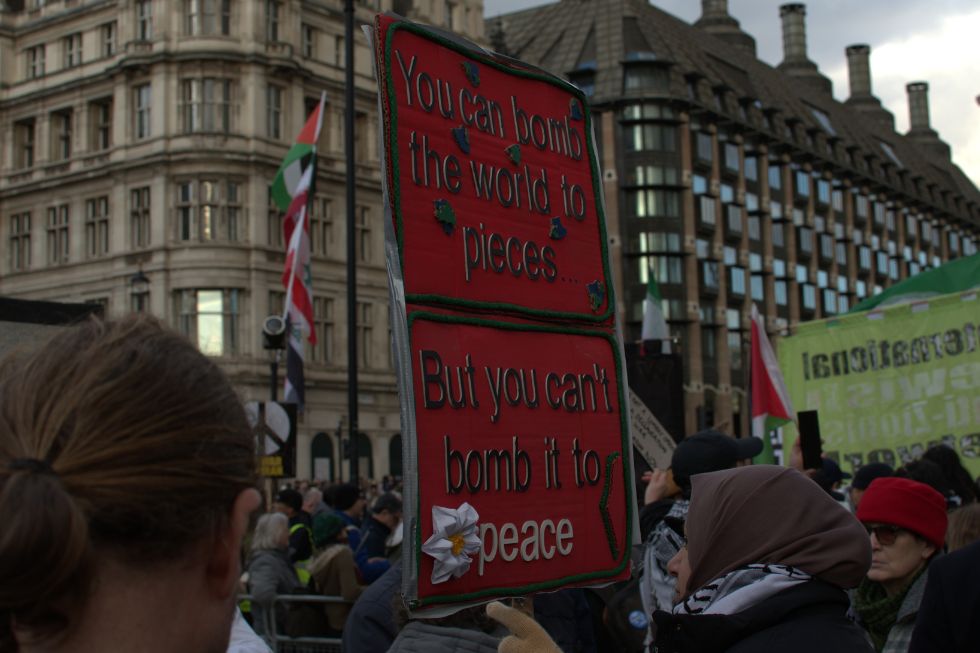
As of this moment, the war in Iran has already resulted in well over a thousand deaths, reportedly including more than a hundred young school girls. Like all wars, it is tragic. But it also reflects something deeper about who we are as humans and forces us to confront an uncomfortable truth: Wars are not aberrations of history but recurring expressions of a more general human failure.
The persistent human failure to overcome conflict
It has been thousands of years since we left the cave, and in that time, we have built machines that split atoms and reach the stars. And yet, here we are: still killing each other. We are unwilling to truly listen to each other and lack the courage to solve conflicts peacefully.
Instead of sincerely trying to put ourselves in the shoes of those we disagree with, we carve the world into comforting yet lazy oppositions: friend and enemy, believer and nonbeliever, us and them. In doing so, we foreground the superficial differences between us and background our fundamental equality. Why are we looking at disagreement as a threat, rather than an opportunity to learn? Why do we cling so tightly to answers and resist the questions that could change us for the better?
Unlike our prehistoric cave-dwelling ancestors, we now have food in abundance, enough for everyone. We have the knowledge and tools to ensure that nearly everyone can live a healthy and fulfilling life. We have libraries filled with carefully argued books on dignity, rights, freedom and tolerance. And yet, we use hunger as a weapon, let people drown in the Mediterranean, resort to kidnapping, extrajudicial assassinations and invasions as means of international politics, sleepwalk into climate catastrophe and keep tens of billions of animals in slavery. We look to billionaires as models of success, rather than the doctors going into war zones, risking their lives to save others, the teachers trying to make a difference in a world where some are born with the cards already stacked against them, or the social workers and counselors who guide those crushed by trauma.
You see, we haven’t actually quite left the cave yet. Doing so remains an ongoing challenge: to notice the suffering around us, to resist indifference and to act with humanity whenever we can. Knowledge and abundance are meaningless without compassion and courage. The tragedies we witness today are not just distant horrors; they are reminders of our shared responsibility — we must do better, as a species.
Life is precious. About everything else, we can talk.
[Kaitlyn Diana edited this piece.]
The views expressed in this article are the author’s own and do not necessarily reflect Fair Observer’s editorial policy.






Join the conversation
Share your perspective
Log in to share your thoughts and take part in the discussion.