



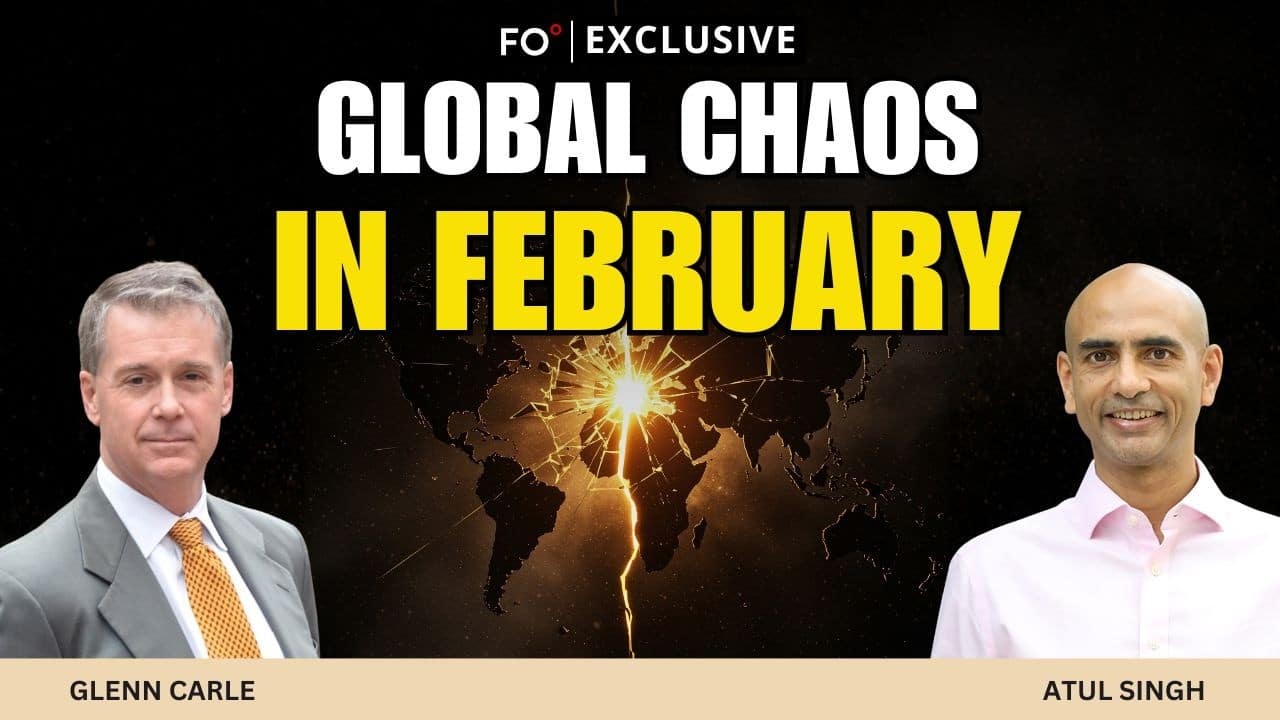
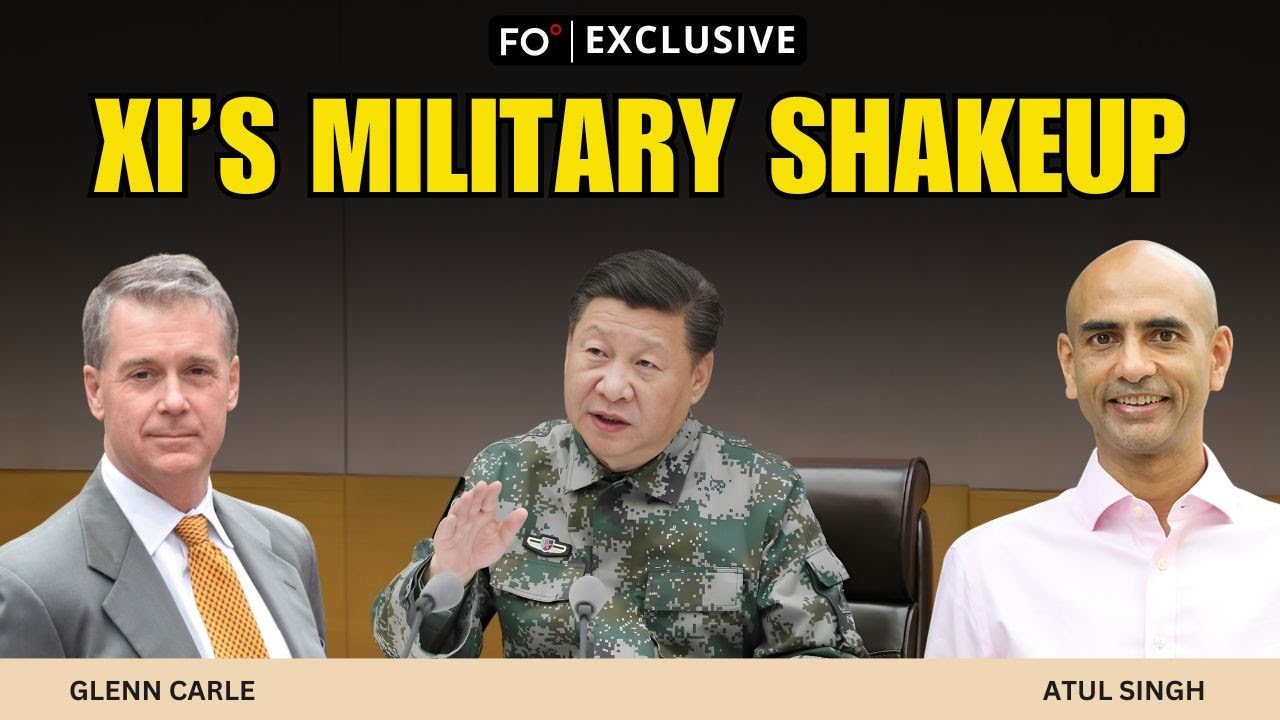
Editor-in-Chief Atul Singh and FOI Senior Partner Glenn Carle, a retired CIA officer who now advises companies, governments and organizations on geopolitical risk, review a turbulent month of global change. They trace how political crises in Europe, leadership transitions in Asia and shifting alliances in the Americas reveal an accelerating breakdown of old certainties. This month may well have been more eventful than the last.
Politics of France and the United Kingdom
The FO° Exclusive opens with France, where turmoil again exposes the fragility of the Fifth Republic. French President Emmanuel Macron appointed Sébastien Lecornu as prime minister on September 9, only to see him resign on October 6 after failing to win Parliament’s confidence. On October 10, Macron promptly reappointed him. The two men, reportedly close friends who share scotch at the president’s Élysée Palace, now face the challenge of passing a budget amid deep frustration.
Former French President Nicolas Sarkozy’s imprisonment appears as proof that France’s culture of impunity has ended. Convicted for channeling illicit Libyan money into his 2007 election campaign, on October 21, Sarkozy became the first former French head of state to be jailed since French Marshal Philippe Pétain.
Across Europe, in Britain, religion and politics have unexpectedly intersected. On October 23, King Charles III and Pope Leo XIV prayed together in the Vatican’s Sistine Chapel — the first such event since King Henry VIII’s break with Rome. As Atul says, some Christians view this as “a symbolic step towards reconciliation between the Roman Catholic and Anglican churches, and some sort of unity of Christendom.”
Tony Blair of the Labour Party and Boris Johnson of the Conservative Party are both Catholics, as is Nigel Farage of the Reform UK party, who told Mishal Husain in an interview that he is most disposed toward the Catholic Church. Some right-wingers believe this may be the beginning of a new Christian crusade against Islam.
However, as head of the Church of England, Charles has attended pagan ceremonies and prayed with Muslims and Jews. Further, he chose the title “Defender of Faith” rather than “Defender of the Faith.” These moves suggest pluralism, even as Europe drifts politically rightward.
While the King prayed for unity, conservative Tory party leader Kemi Badenoch announced that Britain would withdraw from the European Convention on Human Rights, aligning with Farage’s Reform UK. “Reform UK and Nigel Farage are setting the British political weather now,” Atul observes. Meanwhile, on October 3, UK Prime Minister Keir Starmer’s Labour government appointed Dame Sarah Mullally as the first female Archbishop of Canterbury, set to take power on January 28, 2026. This landmark decision underscores the moral crosscurrents shaping modern Britain.
Political turbulence in Asia, the Middle East and Africa
Shifting to Asia, on October 21, Japan saw the historic appointment of Takaichi Sanae, the country’s first woman prime minister. A former television journalist, heavy metal drummer and admirer of former UK Prime Minister Margaret Thatcher, Takaichi embodies both reformist energy and conservative resolve. She hawkishly advocates revising Japan’s pacifist constitution and expanding defense spending.
In the Middle East, Afghanistan and Pakistan clashed starting on October 9. Protests in Madagascar removed former President Andry Rajoelina from the presidential palace on October 14. The military is back in charge, although, taking a page from Pakistan’s book, it has named a largely civilian government.
Shifting winds in Latin America
Latin America is experiencing major change. On October 10, Peruvian President Dina Boluarte was ousted amid unrest and rising crime, replaced by congressional chief José Jerí — the country’s seventh leader in nine years. On October 27, Argentinian President Javier Milei achieved a sweeping midterm victory that expanded his right-wing La Libertad Avanza party’s seats across both chambers. His “chainsaw” austerity agenda drew backing from Washington, as US President Donald Trump’s administration offered a $40 billion aid package reportedly contingent on his success.
Bolivia also turned the page: On October 20, Centrist Rodrigo Paz Pereira defeated conservatives, ending two decades of rule by former Bolivian President Evo Morales’s Movement Toward Socialism. Paz has pledged pro-market reforms while protecting welfare programs. Atul quips that “maybe the CIA doesn’t need to do coups anymore.” The region’s “pink tide” has ebbed, replaced by a cautious embrace of markets and cooperation with Washington.
Central Europe’s populist surge
In the Czech Republic, populist billionaire Andrej Babiš won the October 4 parliamentary election, setting him to return as prime minister. Hungary is seeking to coordinate with Czechia and Slovakia to form a Ukraine-skeptic bloc within the European Union. This significant move, Atul believes, suggests that “the unity of Europe over Ukraine seems certainly to be crumbling.”
Vendetta politics in Washington
The discussion ends in the United States, where Atul says, “vendetta is in the air.” The Trump administration has launched investigations targeting former FBI Director James Comey and ex-National Security Advisor John Bolton. Despite Bolton being known for having an “abrasive and arrogant” demeanor, his prosecution on October 16 sets a troubling precedent for the nation.
Washington insiders believe Comey will avoid legal peril, but Bolton — nicknamed “Mr. Walrus” — could face serious consequences. Even as Americans debate the erosion of institutional independence, many citizens from both sides of American politics are quietly enjoying the proceedings.
[Lee Thompson-Kolar edited this piece.]
The views expressed in this article/video are the author’s own and do not necessarily reflect Fair Observer’s editorial policy.
























Comment