



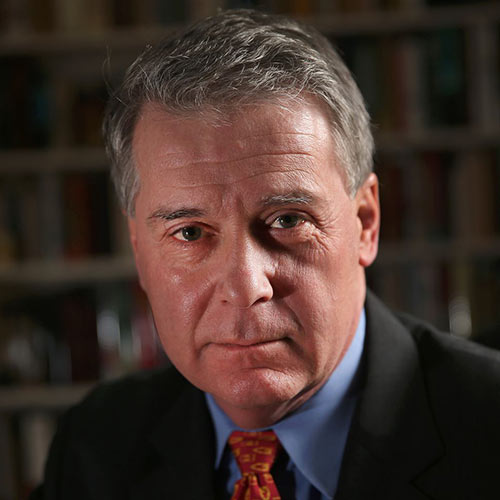
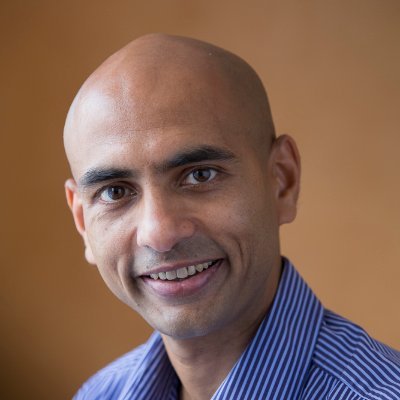
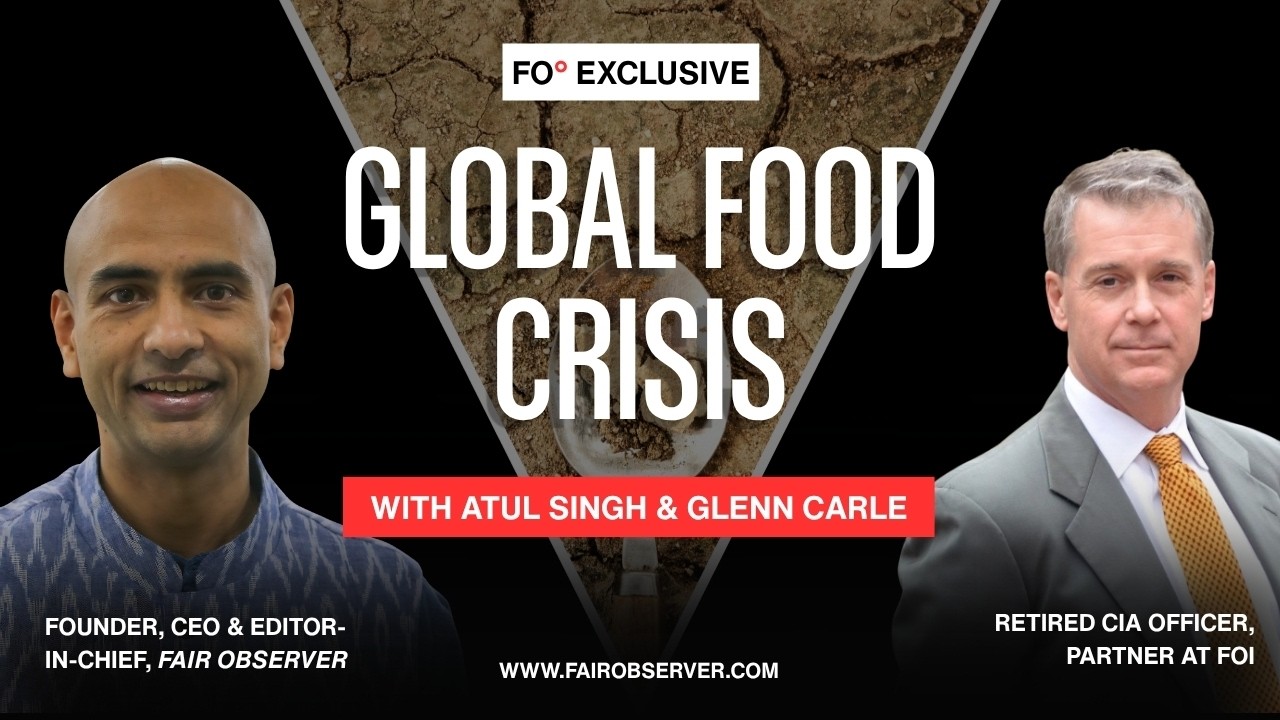
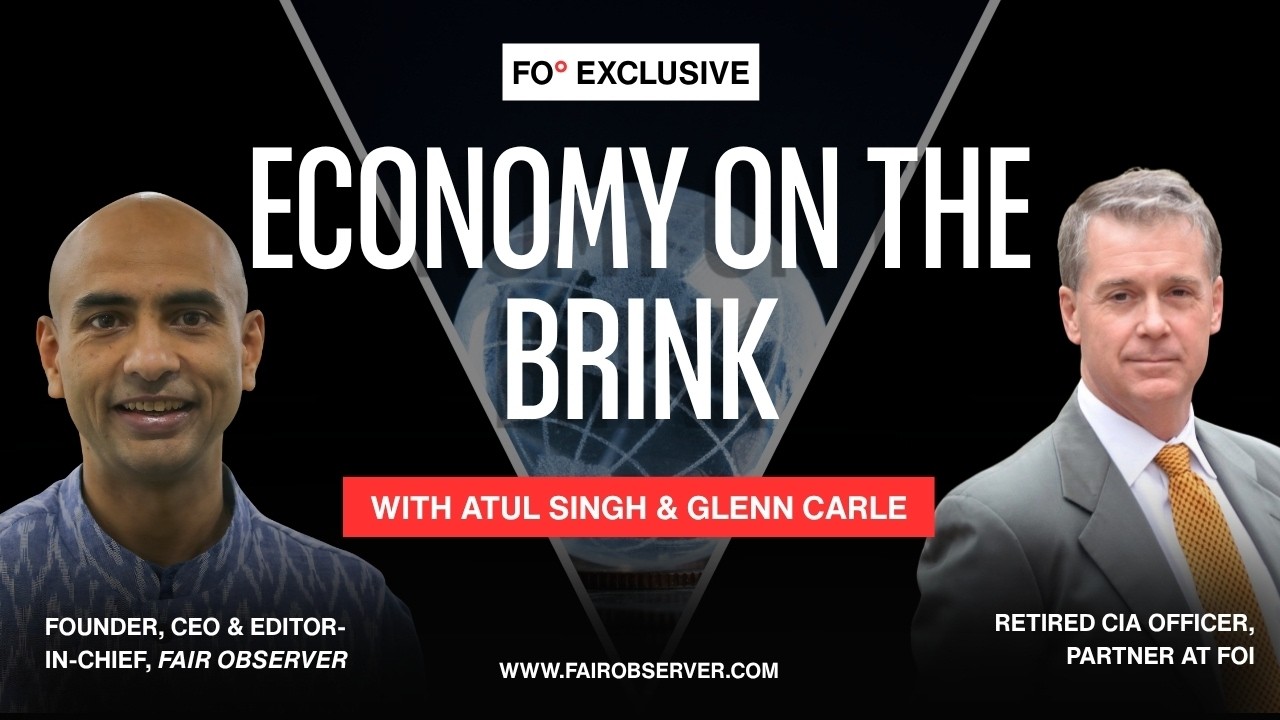
Editor-in-Chief Atul Singh and FOI Senior Partner Glenn Carle, a retired CIA officer who now advises companies, governments and organizations on geopolitical risk, examine the political and military significance of Chinese President Xi Jinping’s decision to purge senior military leaders of the People’s Liberation Army (PLA). They raise questions about Xi’s grip on power and about China’s institutional stability at a time when the PLA is increasing its capabilities as well as becoming ever more politicized.
A purge without precedent since Mao
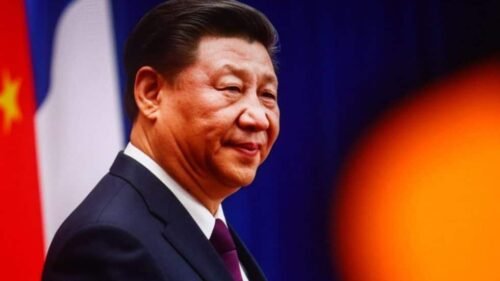
Xi’s removal of Zhang Youxia, the seniormost PLA officer and a longtime personal ally, is historic. Since early 2023, only seven of 30 senior Chinese generals and admirals have survived in their posts. Of the seven members of China’s Central Military Commission, only two now remain. One of them is Xi and the other is a general who is in charge of enforcing loyalty to the Chinese Communist Party (CCP) in the PLA. Such a purge has not occurred since CCP Chairman Mao Zedong’s death in 1976.
Xi’s dismissal of Zhang is especially striking. Like Xi, Zhang was a “princeling” whose father had marched with Mao. The 75-year-old was one of the very few senior PLA figures with real combat experience. He fought with distinction in the 1979 China–Vietnam War. Zhang’s removal signals that revolutionary pedigree and loyalty to the CCP no longer guarantee protection.
Glenn stresses that Zhang’s stature within the Chinese system makes his fall exceptional. Among China’s senior officers, Zhang stood out not only for lineage but for battlefield experience in a force whose modern leadership has never fought a war. Removing such a figure suggests a willingness on the part of Xi to sacrifice institutional credibility for political security.
Atul emphasizes the purge’s scale. Alongside Zhang, Xi removed or placed under investigation other senior figures — including Liu Zhenli, the second seniormost PLA officer — effectively gutting the Central Military Commission. As mentioned earlier, just two of the seven members remain. Analysts compare this concentration of power to Joseph Stalin’s consolidation of control over the Red Army through his relentless purges. Loyalty to Xi now ensures survival and promotion with the officer corps of the PLA.
Atul and Glenn disagree slightly about Xi’s purge affecting the PLA's fighting capability. Glenn believes that the purge tightens Xi’s control over the PLA but does not, by itself, undermine its immediate military capability. Atul thinks of the scale of the purge and its high-profile casualties as evidence of deep-seated insecurity on the part of Xi. There must be massive dissatisfaction among Chinese elites and Xi must feel paranoid enough to crush any alternative power centers at the expense of weakening command and control within the PLA.
Note that reports of dissatisfaction within the CCP elite have circulated for years. As 2027 kicks off, Xi’s continued rule could become more openly contested. When even loyal figures with independent stature may appear threatening, that is not a good sign for the regime. Zhang’s longevity and prestige made him powerful and, therefore, dangerous. Now, the PLA is bereft of effective leadership and thereby stands weakened.
How good is the PLA and what about Taiwan
Militarily, the PLA still remains vast, well-funded and increasingly capable. Glenn points out that one man’s removal does not erase years of investment, training and modernization. He cautions against overstating operational disruption. The PLA’s material capabilities continue to grow, and its training has improved markedly over the past decade. A single purge does not suddenly render the force ineffective.
Atul counters by stressing the institutional consequences of Xi’s actions. Repeated purges create uncertainty, taint lower-ranking officers by association and disrupt clear promotion pathways. Unlike Western militaries with relatively stable professional norms, the PLA operates within a highly politicized system, compromising professionalism and amplifying the effects of changes in leadership. When senior leaders fall, those beneath them — who worked for them, were promoted by them or trained under them — become suspect by association. Fear distorts incentives, encouraging conformity over initiative and loyalty over competence.
No current PLA general has real experience with modern warfare. Zhang’s 1979 Vietnam service made him an outlier. His removal further thins an already shallow reservoir of combat experience at the top. Earlier purges, notably within the Rocket Force beginning around 2023, reinforce this pattern. While Xi’s regime cited corruption and modernization failures as justifications for the removal of top officers, the cumulative effect of the purges must sap the confidence and decision-making ability of top PLA officers.
This has implications for Taiwan, though not the apocalyptic ones many assume. Although no invasion is likely in the near term, a military whose command structure is brittle and politicized is also more prone to miscalculation in a crisis, even if it is not seeking war.
Finally, it is clear that Xi has taken Mao’s maxim to heart: Power flows from the barrel of a gun. By ensuring that no rival authority exists within the PLA, he has reduced the risk of organized resistance to his regime. Yet the very methods that secure control may increase systemic risk.
A military that is powerful but internally distrustful, modern but institutionally unstable, poses dangers not only to adversaries but to its own leadership. In that sense, the purge strengthens Xi’s position today while storing uncertainty for tomorrow — a familiar trade-off in highly centralized authoritarian systems.
[Lee Thompson-Kolar edited this piece.]
The views expressed in this article/video are the author’s own and do not necessarily reflect Fair Observer’s editorial policy.
























Comment