




Two years ago, I kicked off New Zealand’s first cult conference, which will be live-streamed around the world again next month. When I mention my latest endeavor to someone new, I usually get two reactions. Either a startled, “Sorry, a what conference?!” — checking they haven’t misheard me because the two c-words don’t fit together. To outsiders, our small symposium with a big impact must sound nonsensical. Or hilarious, because the other response is a wink and a chuckle: “Oh, a conference where cult leaders compare notes?” Hahaha.
I get it. For most people, cults are just a joke. A pop-culture hangover from the 1970s, long gone: diamond-clad gurus and gun-toting groupies in orange robes or pink prairie dresses, speaking in tongues and chanting in circles, with crazy beliefs from Thetans to UFOs, and cringey names like Vanguard, Uriel or Father Yod. Strange rituals, secret societies, doomsday scenarios and a few massacres.
All that happened — from Waco to Heaven’s Gate to Jonestown. Deeply disturbing but also fascinating. Put on the next true crime show and pass the Kool-Aid! But if we fixate only on those extremes, we misrepresent and misread the seemingly mysterious movements we call cults.
The hidden cost of leaving
There’s one in every neighborhood. They don’t act like in the Netflix documentary Wild Wild Country but manage to keep a low profile, unless they end up in court for labor violations or child abuse. They also don’t all live in communes or dress the same. The largest high-control groups in the world are currently the Mormons (Latter-day Saints [LDS]) and the Jehovah’s Witnesses (JWs). You wouldn’t spot their congregants — 27 million combined — in a crowd.
The majority were born into the faith, over generations. Many are still “physically in, mentally out” (a phenomenon called PIMO) because leaving means mandated shunning for ex-JWs. Everyone you once knew is forbidden to contact you. You’re dead for them. The Exclusive Brethren, now rebranded as the Plymouth Brethren Christian Church (PBCC), call it “excommunication.” Many, like the researchers behind the Stop Mandated Shunning campaign, call it a human rights crime.
You lose your whole family, support network, history, identity and belief system. Unlike losing your family in a car crash, you can’t even mourn them. Or expect outsiders to understand the complex trauma and grief you carry while regaining a sense of self you never had. Think of that the next time you pass a pair handing out Watchtower copies at a street corner before judging them.
Anyone can be recruited
Door knocking isn’t doing the trick these days. The internet is far more effective as a hunting ground — and university campuses where Korean bible cults recruit aggressively. No one “joins” a cult knowingly. Smart, successful, educated, mentally strong and socially competent people can get hooked. They’re not immune, not even celebrities like Alison Mack from the TV show Smallville or supermodel Hoyt Richards (Bring Me the Beauties on HBO). Everyone has an Achilles’ heel where something can land at the right time.
What attracts followers could be a legitimate yoga school, meditation retreat, coaching seminar or mainstream megachurch. Some outfits like Sri Chinmoy, the Twelve Tribes or ISKCON (Hare Krishna) run popular vegetarian restaurants around the world. Others run charities like the PBCC’s Rapid Relief Team, which shows up with free food after a natural disaster.
Many cults are not religious but are built around personal growth, wellness, sexual empowerment or a political ideology. Their beliefs are not the actual problem. You could be practicing witchcraft with your coven each weekend without any hallmarks of a cult. But extreme beliefs can become a problem down the track, for instance, when fervent followers target immigrants, queer people or drag queens. This has happened from the Westboro Baptist Church in the US to Destiny Church in New Zealand.
Coercive control
The one thing that problematic groups all have in common is coercive control. It’s a similar destructive dynamic that shows up in domestic or intimate partner violence. The most ignorant question about a battered wife — “Why doesn’t she just leave?” — shouldn’t be asked about people trapped in cults either. In their case, there isn’t just one controlling villain, but the whole group enables and normalizes — or even spiritualizes — the abuse.
Group-based coercive control is therefore the main topic in the “cultiverse” — the growing global field of cultic studies researchers, survivor activists, exit counselors and podcasters that I move in. They are some of the most impressive, resilient and passionate people I’ve ever met. And most of them were once in a cult.
Since last year, we’ve had the Cult-Informed Professional Network in New Zealand. Among its 50 members are also some of the Australians who were involved in the recent Parliament of Victoria Inquiry into the recruitment methods and impacts of cults and organized fringe groups. This groundbreaking effort, even on a global scale, produced 39 recommendations in a 462-page report which could and should inform policy reforms in other countries too. And it will be a hot topic on a panel at the upcoming international Decult conference.
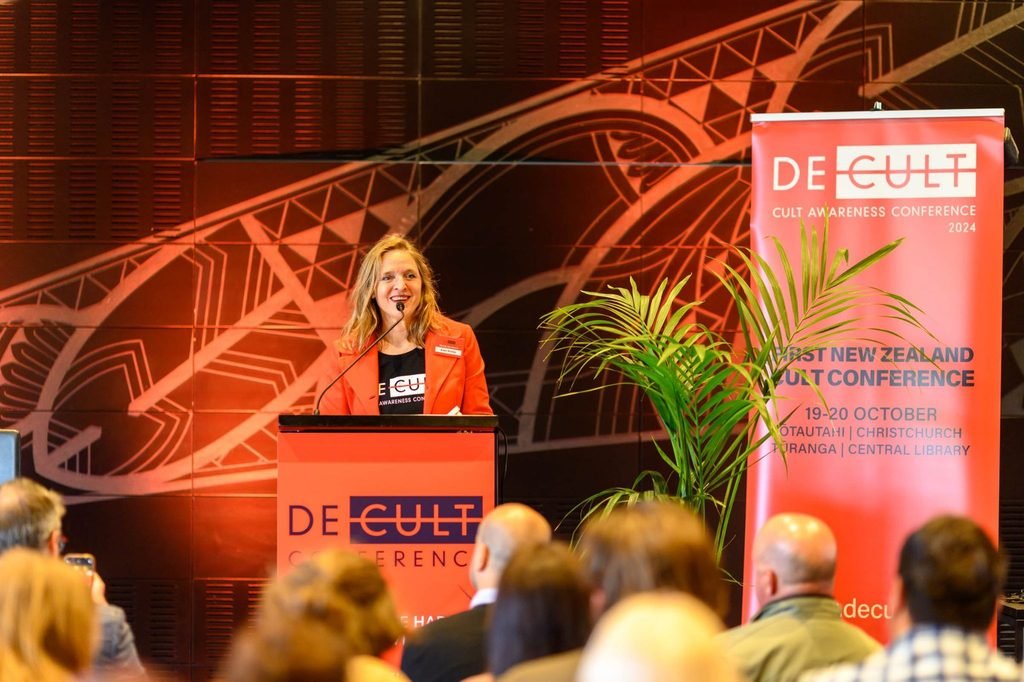
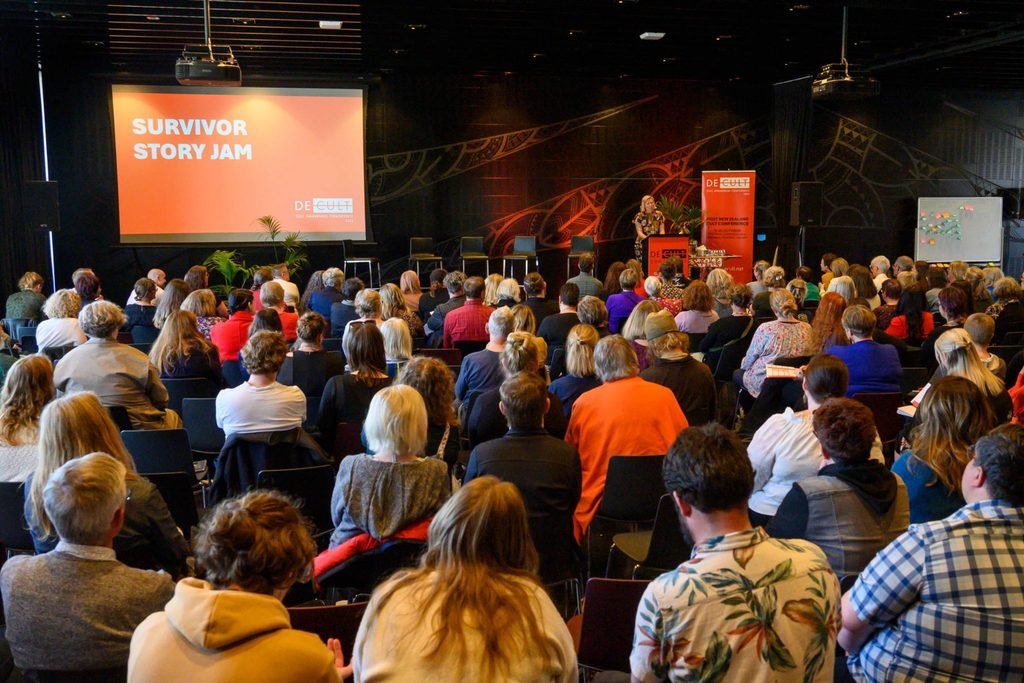
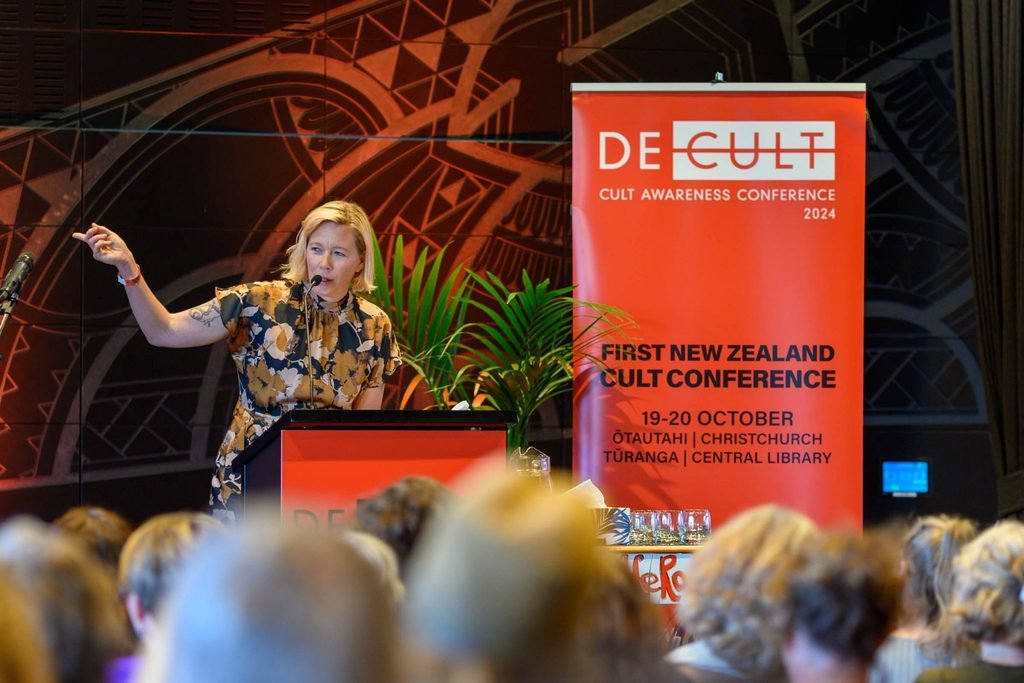
The sensationalist stuff that supposedly wacky people in cults get up to is not on our agenda, though, unless we try to correct those false media stereotypes. The therapists, doctors, child safety advocates and social workers in the network and at Decult want to bring cult education to the wider workforce, especially social services, judiciary, police and the health sector. They’re pushing for systemic change, accountability and awareness. And they hope to improve cult recovery.
The long road to recovery
For those unfamiliar with the lingo: “Cult recovery” doesn’t mean reviving extinct sects but healing the religious trauma and lasting harm from sexual, physical, psychological and financial abuse that occurs in cults on a large scale. Exiting a group is only the first step and doesn’t automatically set you free. Hence POMI. It’s not a happy place.
Deconstruction (the process of “unbuilding” a belief system) is different than the outdated model of deprogramming, a questionable form of reverse brainwashing that can be coercive too. Safe cult recovery requires specialized therapists who understand the fear of eternal hell if you leave the fold. Or the complex grief and guilt of victims who have also become perpetrators in a toxic hierarchical system. How to trust authority figures, communities and your own moral compass again?
When I interviewed dozens of former Centrepoint and Gloriavale kids who had all been abused in their communes, I often heard how they were let down by ignorant and even voyeuristic counselors later. Some survivors had to educate their therapists first and give them reading material to do their job. Luckily, things are changing. UK psychotherapist Dr Gillie Jenkinson offers a certificate in the Walking Free Model, and the Lalich Center on Cults and Coercion has an excellent mental health webinar too.
Resources for healing
But not everyone can afford a therapist or attend a cult conference. The best resources for struggling survivors trying to make sense of what happened are still books. First of all, memoirs — all heartbreaking, infuriating and illuminating. In the Shadow of Enlightenment by Sarito Carrol, Cult Bride by Liz Cameron or Born and Razed by Beth Granger are some of the recent ones in a rapidly growing genre that is dominated by strong female voices instead of trauma porn.
Cult recovery books are also having a resurgence. For decades, the self-help bibles in this field were Combatting Cult Mind Control by Dr Steven Hassan and Take Back Your Life by Dr Janja Lalich, which is still going strong. A friend who recently left a high-control esoteric group and is dealing with immense shame for having lost years of his life to a false reality found solace in Terror, Love and Brainwashing by Dr Alexandra Stein.
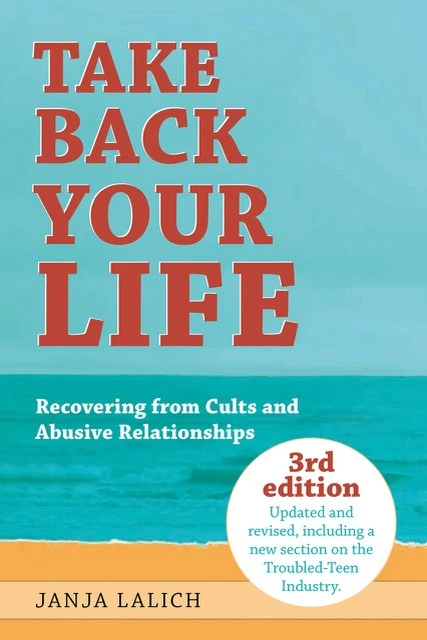
These experts have saved lives with their work. Literally. The suicide attempt rate of cult leavers who were raised in a coercive high-control group is ten times higher than among the average population. Add to that all the early deaths from addiction, overdoses or untreated medical problems, and you get why it’s not a debate about religious freedom — or a joke — but an unrecognized public health issue. Cults have a hidden death toll.
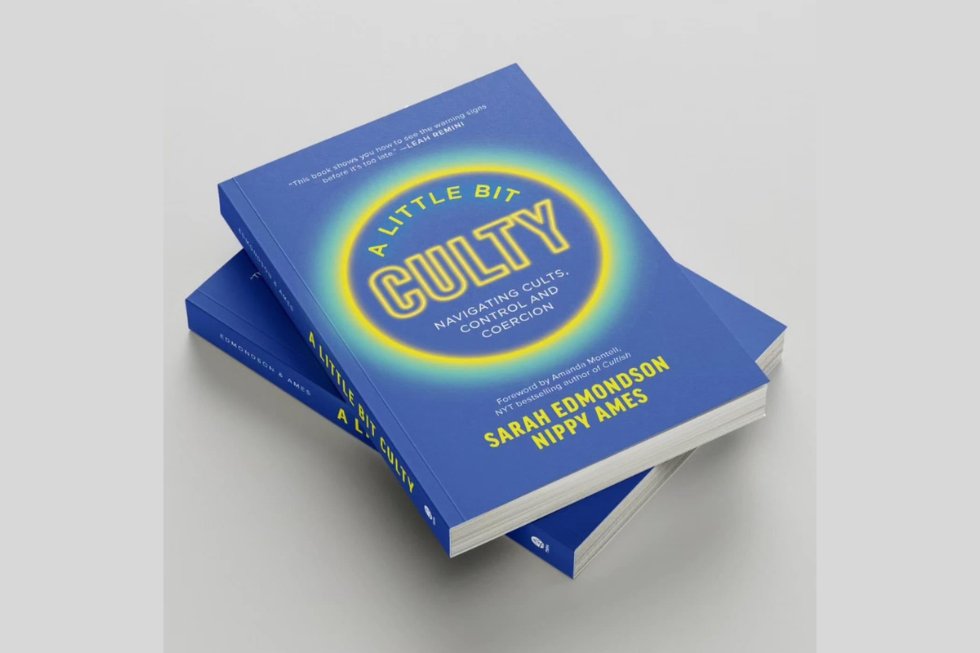
Two new cult recovery books came out this year, and I highly recommend them. Former NXIVM members Sarah Edmondson and Nippy Ames from the documentary series The Vow have published “a no-BS field guide” with the same catchy title as their popular podcast: A Little Bit Culty: Navigating Cults, Control and Coercion. It lays out the playbook of control step by step, sprinkled with personal anecdotes and “Culty Cheat Sheets” to check red flags because “culty shit is everywhere.” Perfect for someone on a workshop high after a Landmark Forum or Vipassana retreat.
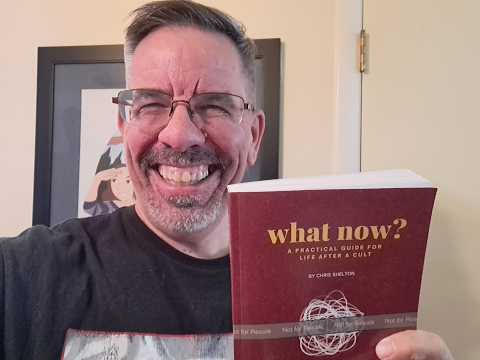
The second one is What Now? A Practical Guide to Life After a Cult by American psychologist Chris Shelton, who was in Scientology from the age of four until he left at 27. Ever since, the bona fide cult survivor has been fighting the good fight for others and against his former “church” and has gained a wealth of wisdom (“I learned the hard way so you don’t have to”). His weighty book is not a quick fix but comes with a deep understanding of all the layers of pain and confusion — comprehensive, compassionate and pragmatic: “In the end, I believe you are the best guide for your recovery.”
When to get out
It’s not all black and white. High-control organizations exist on a spectrum. The local Baptist church might be on it, or your new workplace, or the theater class with a charismatic leader. It’s not about slapping the c-label on something strange in an “us vs them” manner, as cults do, but about spotting red flags that can occur anywhere.
So how do we know when to call something out — or get the hell out? Former Late Show host Stephen Colbert has an answer in Shelton’s book. “Here’s an easy way to figure out if you’re in a cult: If you’re wondering whether you’re in a cult, the answer is yes.” He wasn’t joking.
[Decult 2026 “Voices of Courage: Pathways to Healing and Justice” is from 24–25 October in Christchurch and online, l with an additional program on Zoom for US time zones. All 30+ sessions with 50+ speakers will be recorded to watch later. Virtual tickets are available now.]
[Kaitlyn Diana edited this piece.]
The views expressed in this article are the author’s own and do not necessarily reflect Fair Observer’s editorial policy.







Join the conversation
Share your perspective
Log in to share your thoughts and take part in the discussion.