

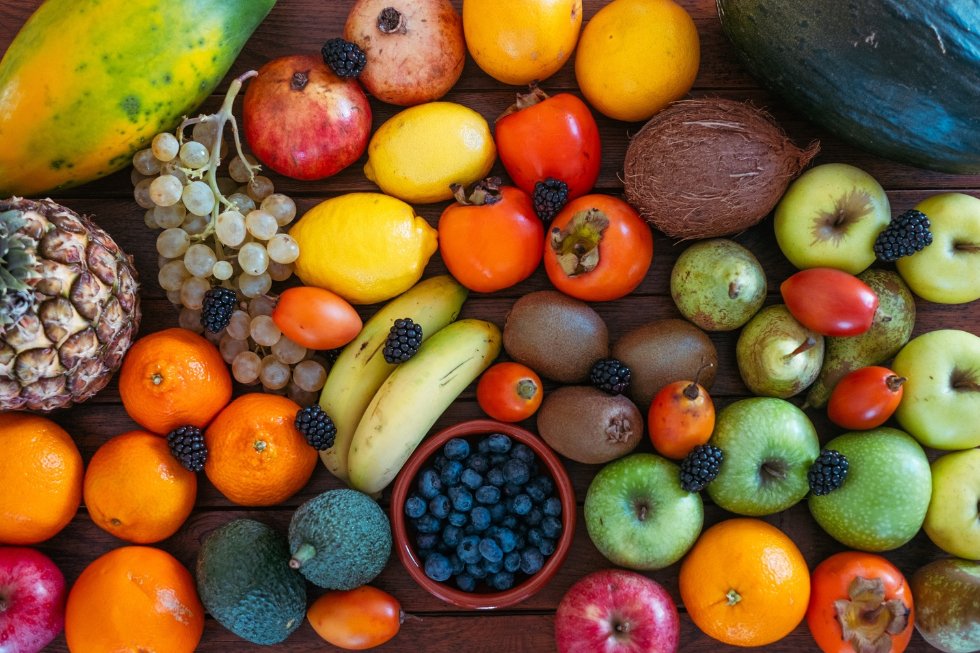



Walk into a Whole Foods Market, and you enter a carefully constructed moral universe. The vegetables glisten beneath artificial mist. Packages speak of ancient grains, regenerative soil and family farms. Meat carries certificates attesting to its purity. Shopping here is presented as something more than commerce. It is an act of personal and planetary responsibility.
Whole Foods says its purpose is to “nourish people and the planet.” Its manifesto is grandly titled the “Declaration of Interdependence.” That is a remarkable amount of moral freight for a supermarket, especially one where a modest bag of groceries can cost more than what many Americans earn in a day.
Whole Foods is the most visible expression of a much larger industry that has turned ordinary anxieties about food into a luxury belief system. Concerns that should belong to everyone, including clean water, fertile soil, protection from pesticides and humane treatment of animals, have been repackaged as privileges of affluence. If you want to eat well, protect the earth and become a “conscious consumer,” the message goes, you had better be able to afford it.
Is it truly organic?
The deception begins with the word “organic.” The label comes to suggest that a product is local, sustainable, humane, healthy and environmentally benign. It guarantees no such thing. Under federal rules, organic certification governs particular production methods. Organic crops must be grown without most synthetic pesticides and fertilizers. Organic livestock cannot routinely receive antibiotics or added hormones. These standards have genuine value. Organic farming reduces pesticide exposure and can benefit biodiversity.
But organic food is not nutritional magic. A Stanford systematic review found no strong evidence that organic food is substantially more nutritious than conventionally produced food, although it can reduce exposure to pesticide residues. An organic cookie remains a cookie.
Some claims are almost comically empty. “No added hormones” sounds reassuring on chicken and pork, but federal rules already prohibit hormones in raising poultry and hogs. Organic does not automatically mean climate-friendly. Organic farms generally produce less food per acre. One large meta-analysis estimated that organic yields average about 19% below conventional yields. Producing the same amount of food may therefore require more land, offsetting some of the environmental benefits of using fewer synthetic chemicals.
Food isn’t virtuous simply because it has been imported from an organic farm. Whole Foods offers berries, meat, seafood, cheese, bottled water and fashionable ingredients from around the world in every season. Most imported food travels efficiently by ship, so distance alone does not determine its environmental cost. Air-freighted perishables are different. Flying food produces roughly 50 times the emissions per ton-kilometer of shipping.
If Whole Foods seriously wanted customers to make environmentally responsible decisions, it would disclose how products traveled, how much land and water they required and how much packaging they generated. Instead, it displays the organic seal and allows that single word to do all the moral work.
What’s behind the curtain?
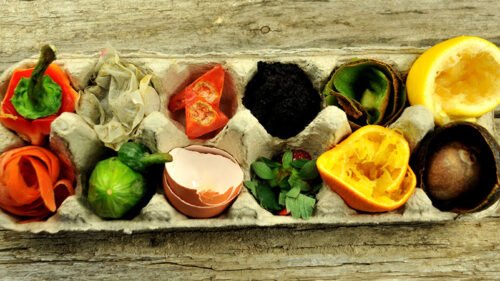
The contradiction becomes harder to ignore behind the scenes. Whole Foods employees have described large quantities of prepared and perishable food being discarded so that meat cases, hot bars and displays can maintain the appearance of abundance. In one public discussion, an employee reported spoiling nearly 150 pounds of meat and seafood because managers wanted the cases to remain full. Other workers described throwing away full pans of hot food and unsold prepared meals.
The company publicizes donations and selected sustainability projects. What it does not provide customers is a clear accounting of how much edible food is ordered, displayed and discarded across the chain. Food waste accounts for roughly one-quarter of food-related greenhouse-gas emissions. A company committed to “nourishing the planet” should be eager to disclose its total waste.
Amazon’s $13.7 billion acquisition of Whole Foods in 2017 exposed another side of the performance. A company that originally claimed to support employee happiness slowly adopted Amazon’s warehouse culture. Workers have described understaffed departments, relentless productivity targets and e-commerce shoppers judged by units picked per hour, even when products are missing or incorrectly located. A 2019 Guardian investigation — with findings based on interviews with 24 employees — documented complaints about labor cuts, increased workloads and pressure to promote Amazon Prime.
Holistic language, algorithmic management
Whole Foods did not invent America’s unequal food system. It found a way to make that inequality look enlightened. The organic industry tells consumers that the answer to industrial farming, environmental destruction and poor nutrition is to shop more conscientiously. It replaces political and agricultural reform with a premium purchasing decision.
The organic-food industry has taken legitimate concerns about pesticides, health and the environment, inflated them into a creed of personal virtue and put that virtue on sale at a premium. Whole Foods has not changed the food system. It has found a lucrative way for the affluent to feel above it.
[Zania Morgan edited this piece.]
The views expressed in this article are the author’s own and do not necessarily reflect Fair Observer’s editorial policy.
Navigating Food and Water Safety: Why Outbreaks Are Making Headlines in the US
Recent headlines in the US highlight alarming trends in foodborne and waterborne illnesses, such as Cyclosporiasis and Legionnaires’ disease. These...

Will COVID-19 Help Us End Food Waste?
Thinking about food waste is a step toward a balanced relationship with the environment and with our resources.

Support Fair Observer
We rely on your support for our independence, diversity and quality.
For more than 10 years, Fair Observer has been free, fair and independent. No billionaire owns us, no advertisers control us. We are a reader-supported nonprofit. Unlike many other publications, we keep our content free for readers regardless of where they live or whether they can afford to pay. We have no paywalls and no ads.
In the post-truth era of fake news, echo chambers and filter bubbles, we publish a plurality of perspectives from around the world. Anyone can publish with us, but everyone goes through a rigorous editorial process. So, you get fact-checked, well-reasoned content instead of noise.
We publish 3,000+ voices from 90+ countries. We also conduct education and training programs
on subjects ranging from digital media and journalism to writing and critical thinking. This
doesn’t come cheap. Servers, editors, trainers and web developers cost
money.
Please consider supporting us on a regular basis as a recurring donor or a
sustaining member.
Will you support FO’s journalism?
We rely on your support for our independence, diversity and quality.




Comment