

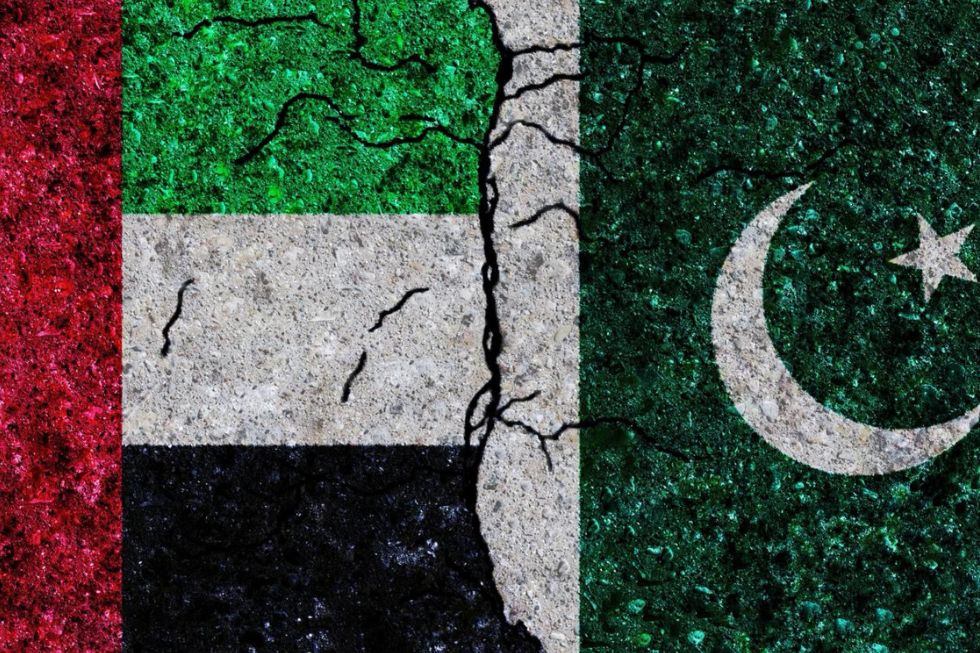



The United Arab Emirates (UAE) has given financial deposits and loans to Pakistan, generating extensive discussion. The financial deposits and loans were given to support Pakistan’s economy. However, speculation around these financial transactions does not accurately depict the actual state of Pakistan’s and the UAE’s diplomatic relations.
The recent financial transactions cited by some commentators as evidence of a weakening strategic partnership are, in fact, routine operations governed by pre-existing commercial agreements. The deposit maturity and return processes in Pakistan and the UAE should not be used to create false geopolitical significance, as the two nations have maintained extensive diplomatic ties throughout their history.
The Pakistani government and its foreign affairs department have made every effort to explain that the process of returning matured deposits from the UAE constitutes a standard banking procedure. The transactions arise from existing commercial contracts, which enable both investment activities and liquidity control while establishing trust among government financial institutions.
An evolving relationship
The relationship between Pakistan and the UAE has evolved from its diplomatic roots into a comprehensive partnership spanning multiple fields. Pakistan became the first country to provide military assistance to the UAE before any formal defense agreements existed between the two nations.
The Pakistani military trained UAE defense personnel and developed vital training centers that produced commandos who became essential to the UAE’s defense system. This contribution to the country’s security architecture underscores the level of mutual trust and respect between the two nations.
The Pakistani diaspora in the UAE, with 1.6 million members, is the clearest evidence of this partnership. The men and women serve as essential links between the two nations, providing significant support to the UAE’s socioeconomic framework.
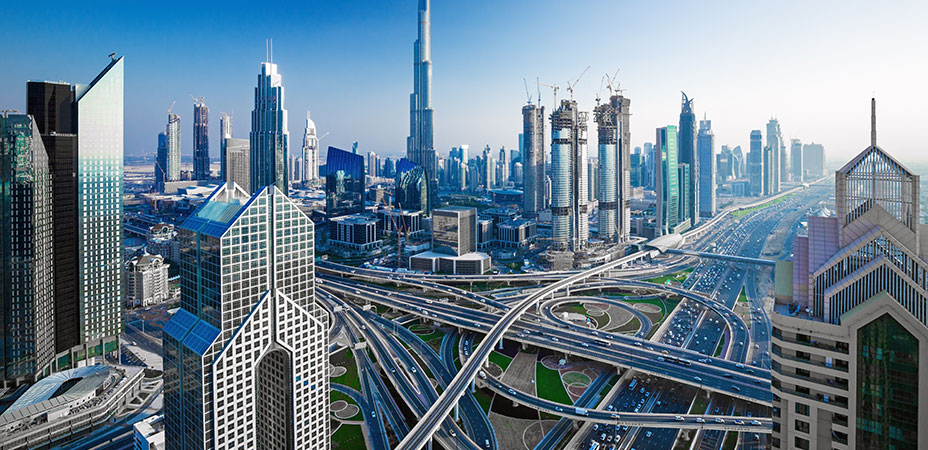
They work in various industries, including construction, infrastructure development, healthcare, education, and the hospitality and service sectors. Their work and expertise have helped develop and sustain the UAE’s top-tier infrastructure system, which comprises major ports, highways, residential areas, utility systems and community facilities.
The work of Pakistani engineers, technicians and skilled professionals has made essential contributions to engineering projects. The UAE has built its infrastructure system through decades of expert knowledge exchange, producing valuable pathways for knowledge transfer and human development. The economic ties between these professionals have strengthened trade connections, helping private businesses collaborate with government agencies on investment and trade projects.
UAE and Pakistan’s social ties
The enduring bond between these two countries is strengthened by shared cultural and religious ties. The citizens of Pakistan and the UAE maintain a strong connection through their shared Islamic heritage, common tribal customs of hospitality and social practices. Cultural festivals and educational exchanges, together with regular interactions among citizens from both countries, build a better understanding between the two groups, leading to social unity.
The UAE serves as a secondary homeland for numerous Pakistanis who travel there to work, engage in tourism and shopping, undertake pilgrimage, attend family gatherings and participate in recreational activities. The personal relationships between people from both countries create stronger diplomatic ties than official diplomatic channels can.
The economic ties between Pakistan and the UAE have existed since ancient times and continue to develop. The two countries established key investment and cooperation agreements worth more than $3 billion in 2024, including infrastructure development, logistics and trade facilitation. These agreements demonstrate that Emirati investors trust Pakistan’s economic future, while Pakistan wants to establish partnerships that will benefit both sides and create job opportunities and drive economic development.
A deepening of relations
The strategic partnership between the two parties was confirmed through high-level leadership engagements, such as the Memorandum of Understanding (MoU), that took place in 2025. The two sides demonstrated their commitment to broadening their partnership through official visits and ongoing discussions, which focused on trade and investment, energy and regional security.
The two countries carried out their work through meaningful activities aimed at achieving concrete results rather than using display language. The two parties maintain a well-established partnership that enables them to address current challenges as they pursue new opportunities to work together.
The current situation requires acknowledging that standard financial activities, including the maturity and return of sovereign deposits, do not affect the strategic partnership between Pakistan and the UAE. Financial markets operate based on two key elements, which are contractual obligations, liquidity requirements and risk management practices.
The standard process of interstate economic transactions includes the settlement of financial instruments that financial markets use to operate. The interpretation of these actions as evidence of a breakdown in diplomatic relations and a collapse in strategic alignment shows a complete misunderstanding of how sovereign financial relations function.
An indestructible bond
The comprehensive engagement activities between Pakistan and the UAE, which include security partnerships, economic development, human resource sharing, cultural ties and strategic discussions, create a strong relationship foundation that financial market activities cannot break.
Strategic partnerships of this nature require multiple decades to develop through shared interests and common values that countries sustain across different fields. The organization maintains operational flexibility through actual joint initiatives while monitoring external economic developments and international political changes.
The relationship between Pakistan and the UAE is built on strong, unbreakable foundations, as both nations have established trust through their diplomatic ties. The defense alliance and economic partnership between the two nations, along with their active people connections, create a strong foundation that supports stability and development throughout the region.
The standard process for returning financial deposits should be understood as a common occurrence within its normal framework, rather than as material for sensational stories. The relationship between the two countries remains strong despite attempts to misinterpret it, as both nations continue to strengthen their ties in line with their shared objectives.
[Zania Morgan edited this piece.]
The views expressed in this article are the author’s own and do not necessarily reflect Fair Observer’s editorial policy.








Join the conversation
Share your perspective
Log in to share your thoughts and take part in the discussion.