

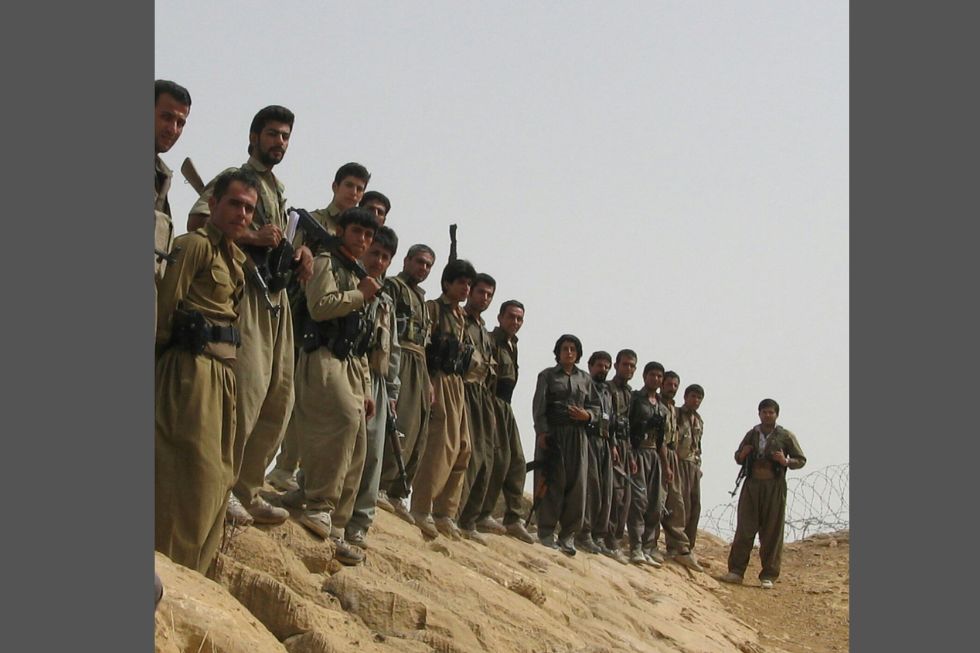



The events taking place along and across Iran’s western border point to something deeper than conventional security concerns. Iran’s pressure on Kurdish opposition groups, both inside Iraq and within its borders, reflects a central fear within the Islamic Republic: that organized Kurdish political forces could become the catalyst for a broader internal uprising capable of challenging state authority across multiple regions.
These groups, which have formed an alliance advocating the end of the Islamic Republic and the establishment of a federal, democratic Iran, have long been treated by Tehran not just as external adversaries but as potential catalysts of internal uprising. The concern extends beyond Kurdish regions alone to the possibility that unrest could spread into other marginalized areas, including Baloch, Ahwazi, Azeri and others.
Following the ceasefire announced by US President Donald Trump on April 7, Tehran intensified pressure on Baghdad and the Kurdistan Regional Government (KRG) to expel these Kurdish parties, accusing them of links to the US and Israel. While framed publicly as a security measure, the underlying concern remained the prevention of these groups from becoming focal points for internal dissent and political mobilization within Iran as they have done during past political upheavals.
Iran’s domestic repression and surveillance campaigns
During the war, Iranian intelligence services and the Islamic Revolutionary Guard Corps (IRGC) conducted a sustained campaign to deter Kurdish involvement in the conflict, according to sources that spoke to Reuters. Inside Iran, Kurdish civilians faced waves of threatening text messages warning against cooperation with foreign powers, followed by surveillance operations targeting satellite communications. These measures escalated into house raids conducted by IRGC officers in both urban neighborhoods and rural border areas suspected of links to opposition networks.
At the same time, Iran has maintained a broader and long-standing pattern of repression against other marginalized communities. Human Rights Watch, Amnesty International and the Center for Human Rights in Iran have documented repeated arbitrary arrests, executions and violent crackdowns in Baloch and Ahwazi regions, particularly during periods of political unrest. Iran Human Rights has further recorded recurring waves of executions and security operations in Sistan and Baluchestan, reinforcing a wider pattern of coercive state control across multiple ethnic regions.
Cross-border military pressure and regional impact
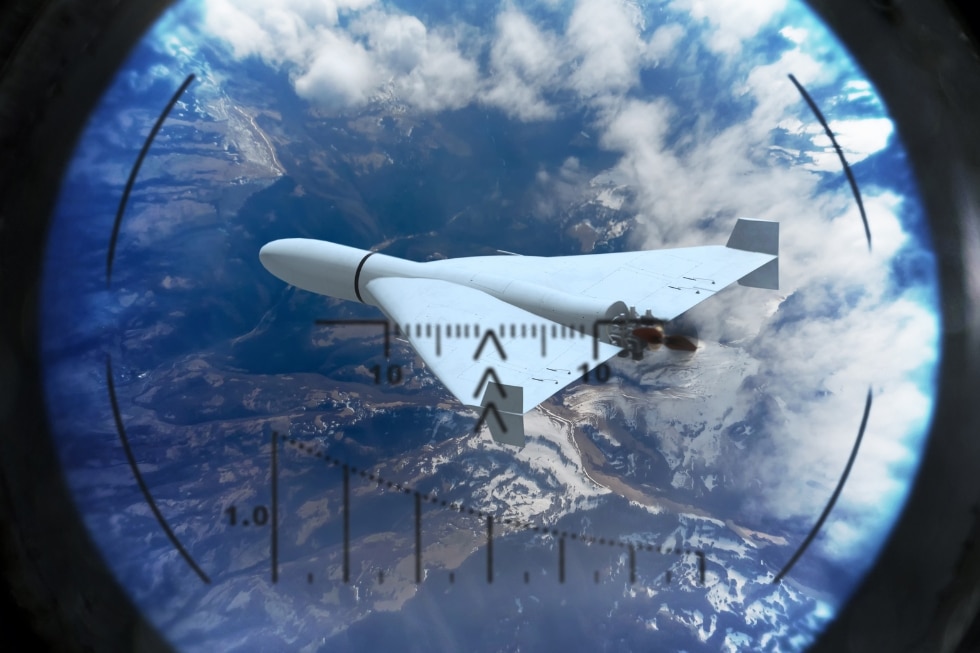
Across the border in Iraq, Tehran applied direct pressure on the KRG, warning that Kurdish forces near the border would face attacks if they did not withdraw. Despite compliance by Iraqi Kurdish authorities, Iranian drone and missile strikes continued to hit Kurdish offices, compounds and training bases, killing fighters and civilians and destroying infrastructure previously believed to be secure. According to Rudaw monitoring, the Kurdistan Region has been struck by more than 638 drones and missiles since the start of the war, underscoring the scale and intensity of Iran’s campaign. Many of these attacks were carried out by Iranian-backed militias operating inside Iraq, illustrating Tehran’s willingness to project force across borders to prevent internal mobilization.
IRGC deployments during this period were extensive and deliberate. Intelligence reports indicated the presence of forces stationed in forests, mosques, schools and even hospitals, reflecting a strategy of embedding within civilian environments to monitor, intimidate and deter potential uprisings. Senior commanders also personally oversaw operations in border regions while strikes continued against Kurdish exile offices and training bases in Iraq.
The Kurdish alliance and the threat of wider resistance
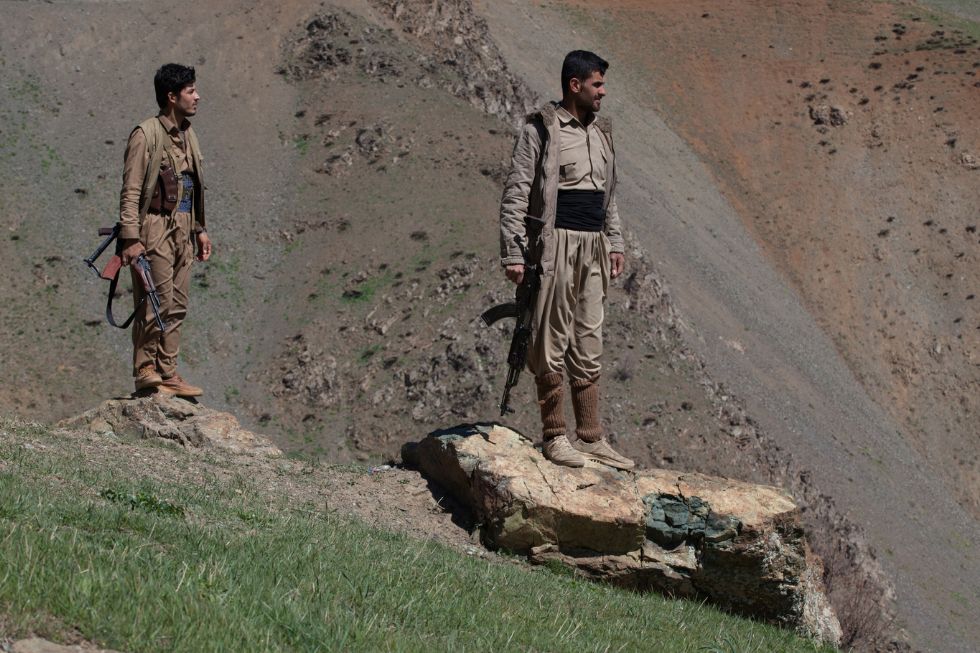
Although the Kurdish alliance does not currently field a large enough military force to conduct a major ground offensive, it has historically mobilized thousands in past uprisings and rebellions. Its networks extend across Iranian Kurdistan and carry the potential to inspire wider resistance in other marginalized regions, including Baloch and Ahwazi areas. Tehran fears this greatly because it is aware that previous waves of unrest, most notably the “Woman, Life, Freedom” movement, originated in Kurdish regions before spreading across the country and gaining international reach.
This historical precedent shapes the regime’s calculations and actions against Kurdish opposition forces both inside and outside of Iran. Local uprisings have previously diverted security forces and exposed the fragility of state control in peripheral regions. The concern is not simply rebellion in one area, but the possibility of coordinated unrest across multiple regions simultaneously.
The regime’s strategy and future outlook
Whether the ceasefire holds or collapses, the Islamic Republic continues to act with ruthless precision to maintain control. From threatening civilians to deploying forces in civilian locations, conducting drone and missile strikes, and pressuring the Iraqi Kurdish authorities, Tehran’s strategy illustrates a singular objective: to prevent the formation of organized opposition that could spark an internal uprising. The regime’s fear of losing control across Kurdish, Baloch and Ahwazi regions, and potentially beyond, drives both its internal repression and its external military operations into Iraqi territory.
The next phase of Iran’s internal conflict is likely to be shaped by this persistent fear. Historical precedent and recent events suggest that if the population is left with no safe avenues for protest, the potential for armed resistance may rise, not because citizens desire conflict, but because the Islamic Republic has left them no other options for meaningful change.
The regime’s approach ensures that Kurdish, Baloch and Ahwazi communities remain under constant pressure, illustrating its strong reliance on suppression to prevent revolt and highlighting why Tehran views these opposition movements as an existential threat to its grip on power. Regardless of what happens with the external war and negotiations, it is only an internal uprising that stands a chance of toppling the Islamic Republic and bringing about meaningful change for the people.
[Kaitlyn Diana edited this piece.]
The views expressed in this article are the author’s own and do not necessarily reflect Fair Observer’s editorial policy.





Join the conversation
Share your perspective
Log in to share your thoughts and take part in the discussion.