

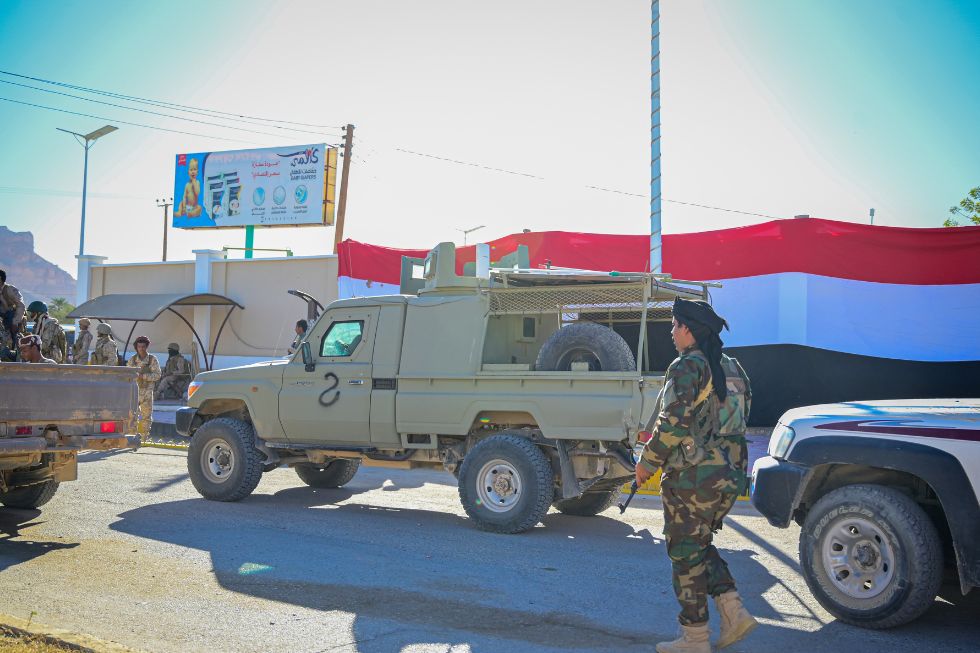



The Middle East is undergoing profound geopolitical transformations driven by shifts in global power balances, evolving alliances and intensifying conflicts. While analyst often focuses on the impact of such changes on major regional players, these developments also affect fragile states. Yemen, in particular, has become a key arena for regional competition, and the recent geopolitical developments are reshaping the country’s strategic landscape.
One of the most consequential of these developments is the weakening of Iran’s regional leverage. Mounting economic pressure, diplomatic isolation and security challenges across several fronts have constrained Tehran’s ability to sustain influence through its proxy networks. This has direct implications for Yemen, where the Houthis have benefited significantly from Iranian political and military support.
A report by a UN Panel of Experts on Yemen has highlighted how Iranian support has enhanced the Houthis’ missile and drone capabilities, enabling the group to conduct attacks not only within Yemen but also against regional infrastructure and maritime shipping routes. Should Iran’s ability to maintain support for the group decline, the Houthis’ operational reach and political leverage will diminish, thereby creating space for new political arrangements to stabilize the country.
Gulf strategic realignment and opportunities for cooperation
For Saudi Arabia, the evolving regional context presents an opportunity to reassess its Yemen policy. Over the past decade, Riyadh’s approach to Yemen has largely been driven by immediate security concerns, particularly the necessity to counter Houthi expansion and limit Iranian influence along Saudi Arabia’s southern border. While these priorities remain relevant, changing regional dynamics may enable Saudi Arabia to adopt a broader strategy that emphasizes long-term stability over short-term security considerations. The United Arab Emirates (UAE) could play a vital role in this expansive strategy.
Although tensions between Saudi Arabia and the UAE have intensified in recent years due to their competing visions over Yemen’s political future, especially regarding the role of the Emirati-backed southern separatists, the wider regional security environment is shifting rapidly. Escalating tensions following the US and Israeli attacks on Iran, which prompted an Iranian retaliation on shipping routes and energy infrastructure in the Gulf, have underscored the interconnected nature of Gulf security.
In this context, current regional instability may paradoxically create an opportunity for cooperation, as heightened security threats often encourage greater coordination among partners who share common security vulnerabilities. The issue of Southern Yemen could therefore transform from a point of divergence into a platform for renewed strategic cooperation between Riyadh and Abu Dhabi.
Stabilization prospects in Southern Yemen
Despite years of conflict, Yemen’s southern regions have retained relatively functional security structures and administrative institutions. These local capacities provide a solid foundation for broader stabilization efforts in the region focused on governance reform, economic recovery and institutional development. Through coordinated Gulf support, strengthening such capacities could help create conditions conducive to sustainable stability.
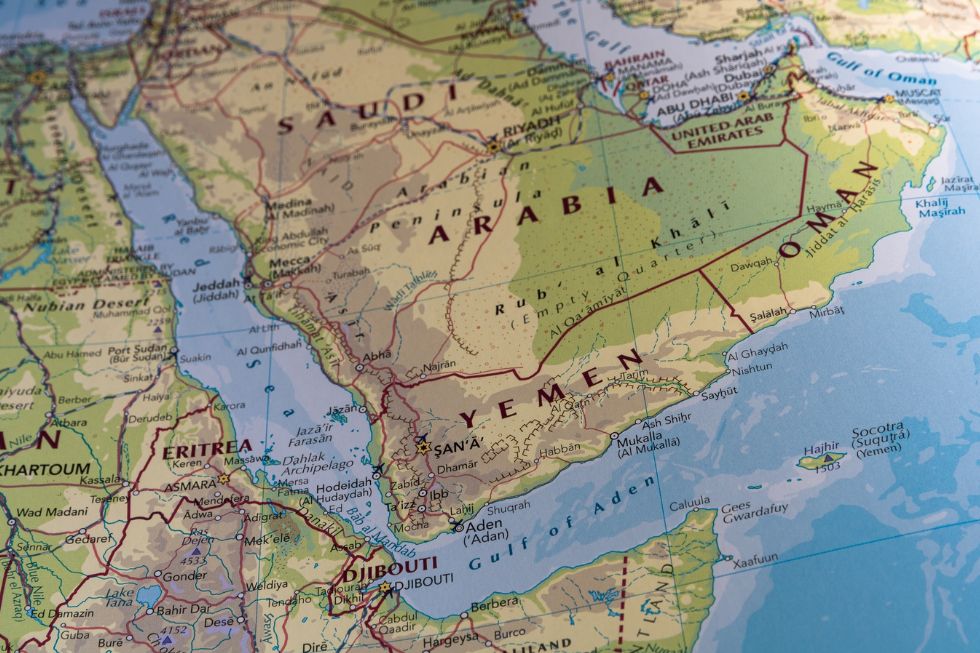
The past decade of conflict has demonstrated that a military approach alone cannot deliver lasting peace in Yemen. Durable stability in the country will depend on political inclusion, effective governance and partnerships rooted in local legitimacy. This is particularly important given South Yemen’s strategic geographic location. The region borders the Bab el-Mandeb Strait, one of the world’s most vital maritime chokepoints, through which an estimated 10–12% of global seaborne trade passes via the Red Sea corridor. Ensuring security along these waterways is therefore both a regional priority and a matter of global economic significance.
Current regional dynamics offer Gulf states, particularly Saudi Arabia, the opportunity to expand their role in Yemen beyond short-term security objectives. Moreover, geopolitical developments provide an opportunity for Abu Dhabi and Riyadh to reconcile, thereby contributing to a more stable future for southern Yemen and the Arabian Peninsula.
However, it is vital for southern political actors to strengthen governance performance and demonstrate commitment to inclusive and accountable administration. Yemen’s long-term stability will ultimately depend on political arrangements that reflect realities on the ground and address the aspirations of the country’s diverse regions.
[Omar Abdelrahman edited this piece.]
The views expressed in this article are the author’s own and do not necessarily reflect Fair Observer’s editorial policy.








Join the conversation
Share your perspective
Log in to share your thoughts and take part in the discussion.