


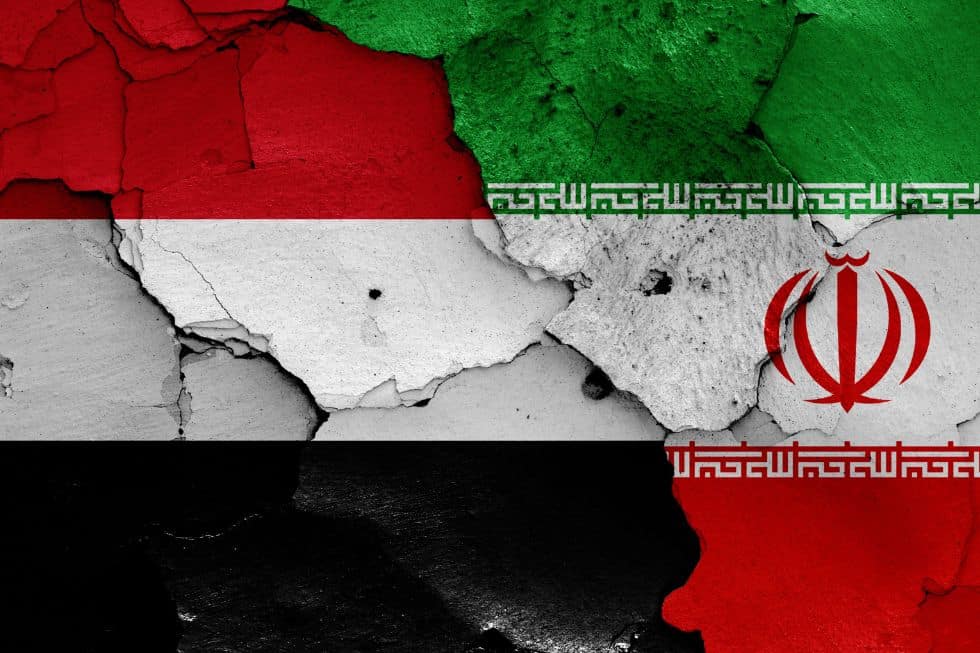



As the conflict between Iran, Israel and the US unfolds into what some analysts are describing as a wider Middle Eastern war, one would expect all Tehran-aligned forces to mobilize in support. Yet Yemen’s Houthis, despite being one of Iran’s most prominent regional partners, have so far refrained from full-scale participation. This restraint — often misinterpreted as passivity — reflects a strategic calculation grounded in historical experience, domestic politics and evolving regional diplomacy.
A distinct identity, not a proxy pawn
The Houthis (Anṣār Allāh) are frequently labeled as Iranian proxies, but this characterization oversimplifies their nature. While Tehran has supplied weapons and technical know-how over the years, the Houthis are not a direct military arm of Iran and retain significant autonomy in their decision-making. Researchers note that Iran lacks direct control over Houthi behavior, which is shaped by Yemen’s local dynamics as much as by transregional alliances.
Historically, the group emerged in the early 2000s from local grievances in northern Yemen long before any meaningful Iranian support, and its ideology — rooted in Zaydi Shi‘a traditions — differs from the Lebanese or Iraqi militias often described as Tehran’s “proxies.”
1. Preserving diplomatic gains with Gulf powers
One central reason for the Houthis’ calibrated posture is their quiet diplomatic engagement with Gulf states, especially Saudi Arabia. After years of brutal conflict in Yemen, mediated talks — often facilitated by Oman — have created openings for a potential political settlement that could legitimize the Houthis’ control in the north and expand their role in national governance.
Escalating militarily in a broader regional war could jeopardize these fragile diplomatic advances by provoking Riyadh and its partners, putting at risk the limited détente that has allowed a relative lull in Yemen’s civil war.
2. Lessons from past military reprisals
Another powerful deterrent has been the memory of punitive strikes on Houthi positions by the US and Israel. During the Gaza conflict and its aftermath, heavy bombardments targeted Houthi infrastructure and leadership, including air strikes that significantly degraded their military capabilities.
Analysts argue that the Houthis are acutely aware of their limitations against the superior air power of the US and Israeli militaries. They may well fear that renewed escalation on behalf of Iran could invite another round of devastating strikes, further eroding their ability to hold territory and govern effectively.
3. Economic fragility and domestic priorities
Yemen remains one of the world’s poorest countries, and Houthi-controlled areas have been economically devastated by years of conflict. The group faces severe budgetary constraints, disrupted port revenues and widespread socioeconomic hardship among its population.
With many public sector workers unpaid and basic services collapsing, escalating into a full-fledged regional war could inflict catastrophic economic damage on areas under Houthi control, eroding the regime’s legitimacy among its own people.
4. Strategic patience and timing
A recurring theme across expert analyses is that the Houthis may simply be waiting for the right moment to act. Their leadership has suggested readiness, stating their “fingers are on the trigger,” but stops short of committing to open conflict.
This “strategic patience” could be aimed at preserving military capability for when it matters most — not necessarily in defence of Iran, but to strengthen their bargaining power in any future regional settlement or negotiations over Yemen’s political future. Such a move, analysts suggest, could enhance their leverage at a critical juncture rather than diminish it prematurely.
A broader regional balance
Finally, the Houthis’ caution reflects a broader recalibration of alliances across the Middle East. Even other Iranian-aligned groups in Lebanon and Iraq have shown restraint, balancing ideological solidarity with considerations of domestic stability and geopolitical risk.
The Houthis’ restraint should not be interpreted simply as indecision or weakness. Instead, it underscores the complex interplay of local interests, diplomatic maneuvering and strategic self-preservation that defines Yemen’s role in a wider regional conflict. As the war evolves, so too might the Houthis’ calculations — but whatever course they take, it will likely be driven first by Yemeni considerations, rather than solely by allegiance to Iran.
[Kaitlyn Diana edited this piece.]
The views expressed in this article are the author’s own and do not necessarily reflect Fair Observer’s editorial policy.
The Houthis’ Southern Ambition: A Threat the International and Regional Community Must Never Ignore
The international push for a unified Yemen risks empowering the Houthis at the expense of southern aspirations and regional stability....
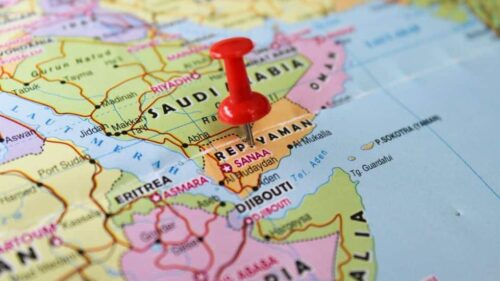
Yemen’s Southern Front: The Strategic Fault Line the World Cannot Ignore
Iran strengthens its alliance with the Houthis as it loses influence in Syria, Lebanon and Gaza. Houthi forces expand attacks...

Houthis, Israel, Iran and Yemen: A Nation on the Brink
The Houthis, backed by Iran and entrenched in northern Yemen since 2014, have sought to project power beyond Yemen by...
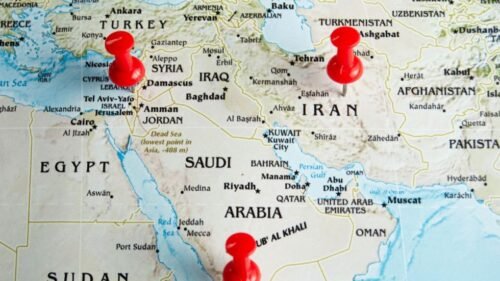
Support Fair Observer
We rely on your support for our independence, diversity and quality.
For more than 10 years, Fair Observer has been free, fair and independent. No billionaire owns us, no advertisers control us. We are a reader-supported nonprofit. Unlike many other publications, we keep our content free for readers regardless of where they live or whether they can afford to pay. We have no paywalls and no ads.
In the post-truth era of fake news, echo chambers and filter bubbles, we publish a plurality of perspectives from around the world. Anyone can publish with us, but everyone goes through a rigorous editorial process. So, you get fact-checked, well-reasoned content instead of noise.
We publish 3,000+ voices from 90+ countries. We also conduct education and training programs
on subjects ranging from digital media and journalism to writing and critical thinking. This
doesn’t come cheap. Servers, editors, trainers and web developers cost
money.
Please consider supporting us on a regular basis as a recurring donor or a
sustaining member.
Will you support FO’s journalism?
We rely on your support for our independence, diversity and quality.





Comment