




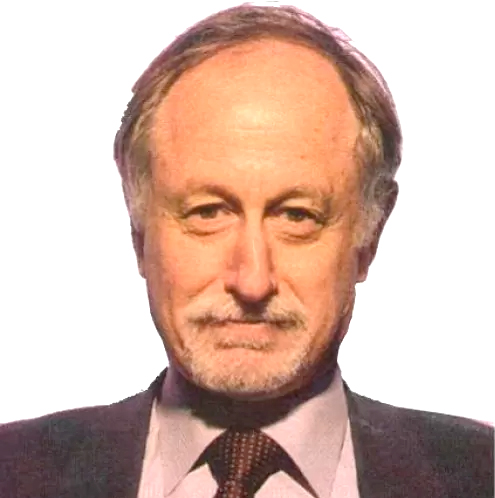
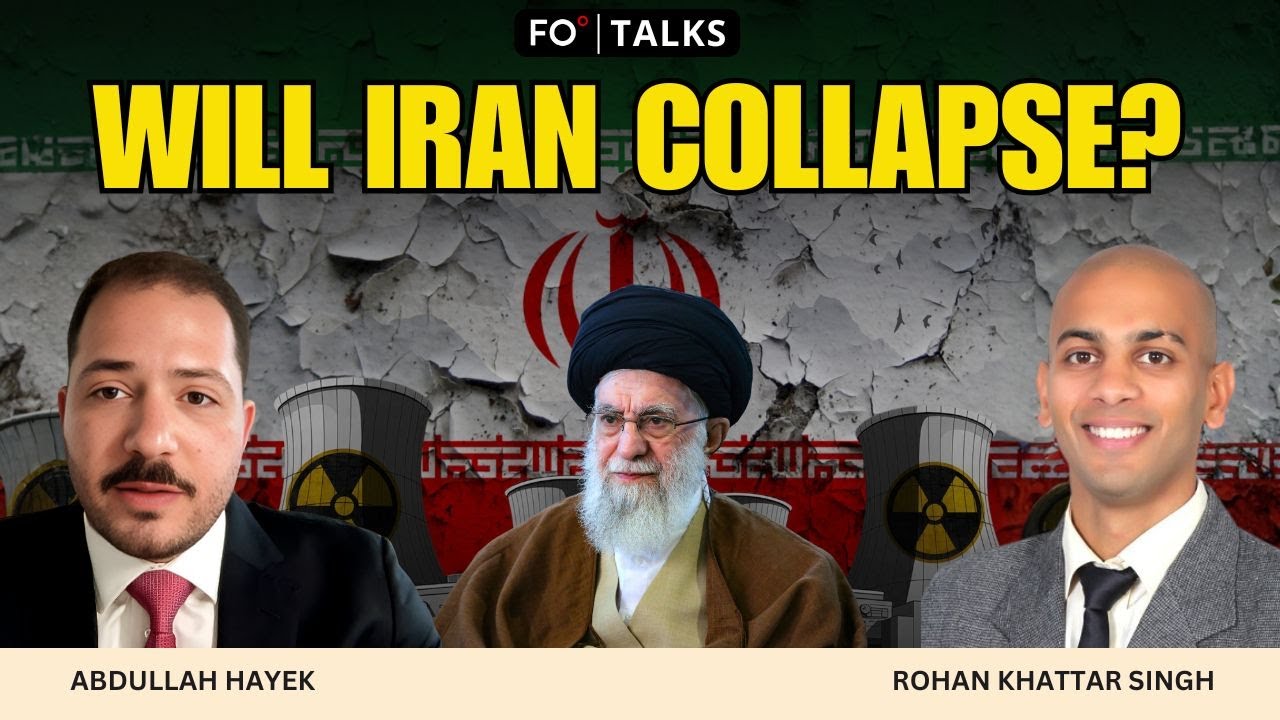
Fair Observer Chief Strategy Officer Peter Isackson and former Swiss Ambassador Jean-Daniel Ruch discuss the Twelve-Day War between Israel and Iran, its deeper historical roots and the shifting global power dynamics around it. Drawing on his previous experience as ambassador to Serbia, Montenegro, Israel and Turkey, Ruch places the conflict in the long continuum of Persian and Middle Eastern geopolitics. Iran’s strategic position has been central to global power calculations since British geographer Halford Mackinder’s Heartland Theory — that he who rules Eastern Europe ultimately commands the world.
The Twelve-Day War: a managed clash with lasting risks
Ruch describes the recent conflict as an “acute phase” in an ongoing geopolitical struggle — one that may see similar flare-ups in the coming months. Both sides declared victory, but the outcome is ambiguous, with limited public evidence of damage. He argues the confrontation was “choreographed” to avoid mass casualties, with prior signaling and removal of sensitive materials from targeted facilities. While US President Donald Trump had promised to avoid new wars, Ruch views this as a calculated one-off strike, not an opening salvo. Still, he warns that a return to snapback sanctions under the Joint Comprehensive Plan of Action could push Iran toward leaving the Nuclear Non-Proliferation Treaty, escalating the risk of wider conflict.
Ruch is skeptical of claims that Israel’s nuclear-related bombing raids dealt decisive blows. In his view, much of the official Israeli narrative exaggerates successes and downplays the degree of Iranian resilience. He notes that Iran’s retaliatory strike on an “empty base” signaled an intent to save face without triggering uncontrolled escalation. The pause following the war serves both sides’ logistical needs — to resupply, regroup and plan for what could be a renewed confrontation within three to five months.
Netanyahu’s strategy and Israeli objectives
For Ruch, Israeli Prime Minister Benjamin Netanyahu’s political survival hinges on prolonging two “forever wars” — one in Gaza and one with Iran. He argues that Netanyahu has long sought direct strikes on Iran and that current policy leaves little room for compromise, especially on ceasefires that might satisfy the Hamas terror group’s demands. Accepting such terms would fracture Netanyahu’s coalition as extremist ministers abandon the government. Ruch is sharply critical of reported Israeli plans for mass displacement of Gaza’s population, calling them war crimes and possibly evidence of genocidal intent.
Strategically, Ruch sees Israel aiming to weaken Iran to the point of state failure, breaking it into several parts as occurred with Syria. But the Twelve-Day War, he contends, achieved the opposite — strengthening Iranian nationalism, uniting the population behind the regime and boosting hardliners opposed to any US-brokered nuclear agreement. He also points to covert operations inside Iran, allegedly involving the Mojahedin-e-Khalq, but considers them rare, high-preparation events unlikely to be repeated soon.
Europe’s role and strategic blind spots
Ruch warns that European moves toward snapback sanctions would mark a dangerous “first step [on] the escalation ladder,” providing hardliners in Tehran, Iran, justification to pursue nuclear weapons. He questions why Europe would join a US–Israeli confrontation with Iran while simultaneously managing the war in Ukraine. In his view, Europe’s genuine strategic interests lie in ending conflict with Russia, restoring affordable energy and reopening trade corridors to Asia. Yet leadership in Brussels, Paris, London and Berlin appears aligned with US and Israeli policy goals, often without robust parliamentary debate.
He notes that despite high energy costs and inflation, European publics have not mounted large-scale protests to shift foreign policy. Current political elites remain entrenched even when their popularity is low, as seen in European Commission President Ursula von der Leyen’s easy reelection despite her “less than optimal” record.
Former French Prime Minister Dominique de Villepin emerges in his account as a rare establishment figure advocating true European strategic autonomy based on international law. However, Ruch doubts de Villepin’s chances, citing weak political machinery and a media environment that largely reinforces pro-NATO, pro-US positions.
Geopolitical corridors and competing agendas
The conversation broadens to the global contest over trade and transit routes. Ruch links Western pressure on Iran to efforts to block BRICS-aligned projects like the North–South corridor and China’s Belt and Road routes. Shifting freight from Western-controlled sea lanes to land corridors threatens US maritime dominance. Western powers are promoting alternatives via Israel, Syria and Turkey under the Abraham Accords framework. In the Caucasus, projects like the Zangezur corridor could bypass Iran entirely, connecting energy-rich Azerbaijan directly to European markets.
Ruch sees Turkey, Iran and Israel as the region’s most influential actors, often rivals but occasionally aligned — especially in containing Iranian influence in Syria. He also laments missed diplomatic opportunities, such as a Saudi–Egyptian plan for Gaza’s reconstruction that was ignored by Israel and overlooked by Western powers.
Decline of diplomacy and rise of security networks
Ruch laments that diplomacy has been sidelined in favor of intelligence networks and the military–industrial complex. He argues the latter now shapes Western foreign policy more than elected leaders do. He warns that this entrenched “warmongering machinery” channels funding and political will toward militarization while marginalizing arms control or peace initiatives. Unlike the Cold War era, he sees little appetite for negotiated security frameworks.
A call for an independent strategic culture
Ruch concludes by urging citizens to cultivate independence, impartiality and mutual respect while holding all violators of international law accountable. Only by rejecting permanent confrontation can the world address shared existential challenges, from climate change to artificial intelligence, and build a truly cooperative global order.
[Lee Thompson-Kolar edited this piece.]
The views expressed in this article/video are the author’s own and do not necessarily reflect Fair Observer’s editorial policy.























Comment