



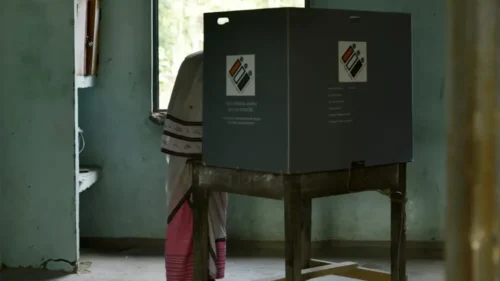
On Tuesday, June 4, India will release the official results of its 2024 parliamentary elections. At least 644 million people have cast their votes in the largest democratic election in human history.
For most of its history since independence in 1947, India has been ruled by the Indian National Congress (INC) party. Leadership of the party passed from father to daughter to son to son’s widow to grandson as the INC has dominated Indian politics for 40 years. During the rule of the Nehru dynasty, India maintained close relations with the Soviet Union and followed socialist policies, without the bloody purges of its big brother.
The INC first lost power in 1977 and opposition parties came to power in coalitions but the grand old party of Indian politics could always stage a comeback. In 2014, Bharatiya Janata Party (BJP) triumphed and the INC-led coalition lost power. Since then, Prime Minister Narendra Modi has presided over a blossoming economy and is still exceedingly popular. The BJP is now the dominant party in the country like the INC.
Modi is widely expected to win the 2024 election. If he does, he will become only the second prime minister in Indian history to win three elections. Jawaharlal Nehru did so in 1951–1952, 1957 and 1962. Given the BJP’s likely victory, what can we expect from a third Modi term?
What to expect from Modi III
The Modi government will probably take steps to address slow job generation, especially in the manufacturing sector. In the past, poor physical and power infrastructure limited India’s ability to boost this sector. Today, the roadblocks are high cost of capital, labor and land. Another challenge facing the Modi government is the poor civic management of India’s cities. Presently, Indian cities are difficult to live in due to congested roads, crazy high air pollution and a lack of clean drinking water.
The Modi government would also have to tread carefully in its relations with foreign partners. Canadian Prime Minister Justin Trudeau recently blamed India for the assassination of a Canadian citizen in British Columbia. Similarly, the US believes that India was involved in an attempt to murder an American citizen. In India’s eyes, the two assassinated gentlemen were Sikh terrorists advocating the dismemberment of the Indian state. Both immigrated from India, the Canadian on a false passport.
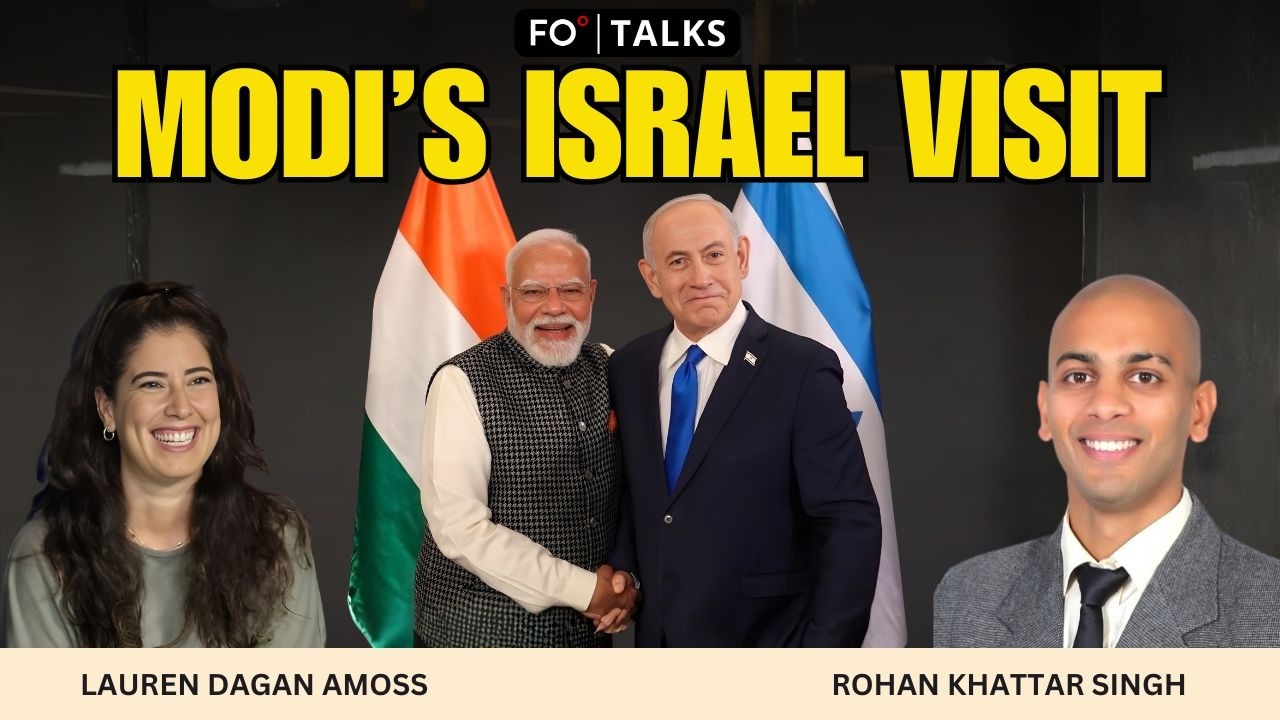
Despite the diplomatic tiff, Washington and Ottawa are keen to maintain close ties with Delhi. They want to bring together all democracies in the Asia-Pacific to create a united front against China. However, India is more diffident about the West. Modi may keep the US at arm’s length, instead engaging closely with middle powers on bilateral terms. The government may also prefer a transactional foreign policy rather than a values-based one.
India’s troubled neighborhood
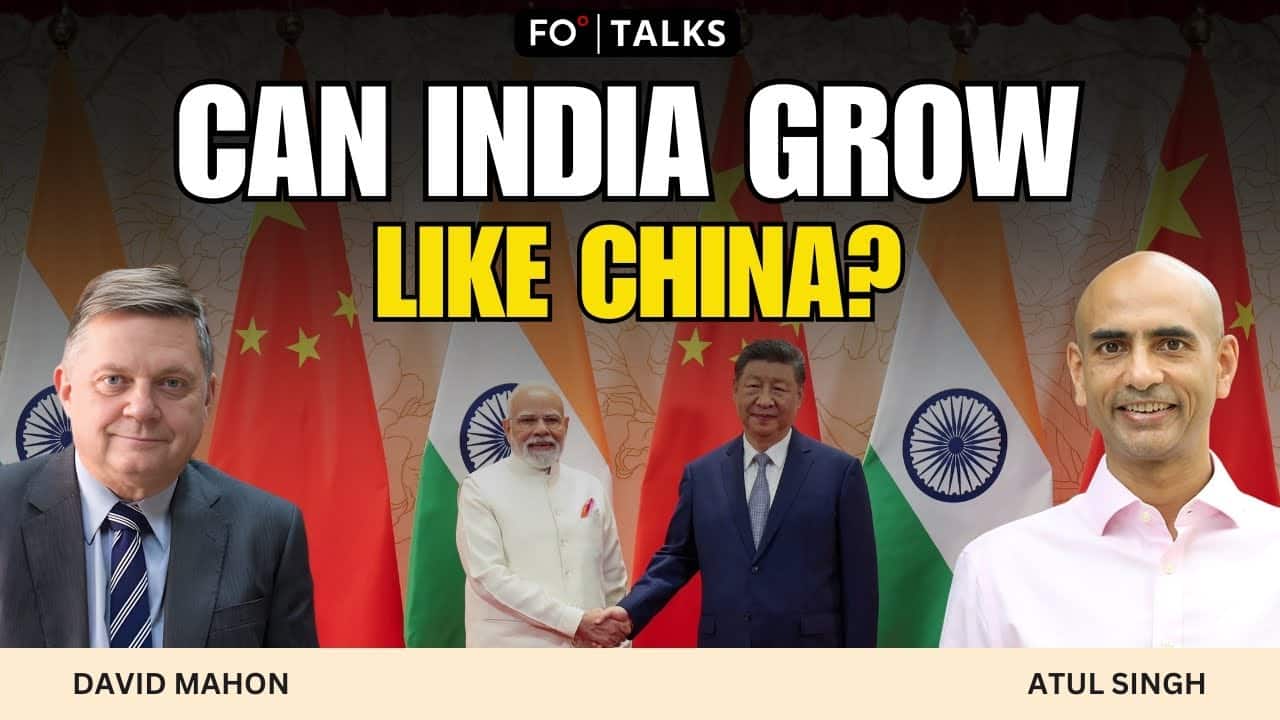
China is India’s northern neighbor and is indeed a threat.China disputes Indian territory in the Himalayas and has seized Aksai Chin, which India claims as part of Ladakh. India may no longer be able to rely on trade deals and economic relations to keep the peace with China. India needs to reassess its defense architecture to deal with China.
Myanmar is currently in the midst of a civil war. In the past, militias based in Myanmar have caused trouble in the northeastern Indian states of Manipur and Nagaland. India may need to fortify its border to prevent the spillover of the Myanmarese civil war into India.
Nepal, which traditionally has close ties with India, is now trying to balance relationships with both India and China. India’s challenge is to keep Nepal firmly in its sphere of influence and prevent the expansion of Chinese influence in a country where the local communist party has become quite powerful.
Maldives recently asked India to remove its 89 soldiers and support staff. The country is growing increasingly Islamist and hostile to India. China will be all too happy to step into the vacuum but Maldives is in India’s sphere of influence. As in Nepal, India will compete with China for influence in Maldives.
Finally, relations between India and Pakistan have been deteriorating due to Islamabad’s sponsorship of cross-border terrorism. As Pakistan’s economy goes into free fall, Modi may have the opportunity to improve relations by securing a Pakistani pledge to discontinue these operations.
Modi certainly has his work cut out for him. Rising to these challenges will be crucial for the success of his third term.
[Aniruddh Rajendran wrote the first draft of this piece.]
The views expressed in this article/video are the author’s own and do not necessarily reflect Fair Observer’s editorial policy.





















Comment