





China is stressed. One sign of this is the stunning rise of religiosity in the officially atheist state. Temple visits increased by a staggering 367% last year, with most visitors born after 1990. They could well be praying for jobs—youth unemployment is even bleaker today than it was during the height of the Covid pandemic, topping 20%. The economy has not recovered from President Xi Jinping’s crippling “zero Covid” policy.
The country’s economic growth is flagging. China’s central bank has been lowering interest rates in a feeble attempt to stir investment. The real estate sector, one of China’s main drivers of growth, is very weak. Loans made for unsuccessful real estate ventures now fill the books of many Chinese banks. The bubble is just waiting to pop, which would be a catastrophe in an economy where a whopping 70% of individual investors’ portfolios are tied up in real estate.
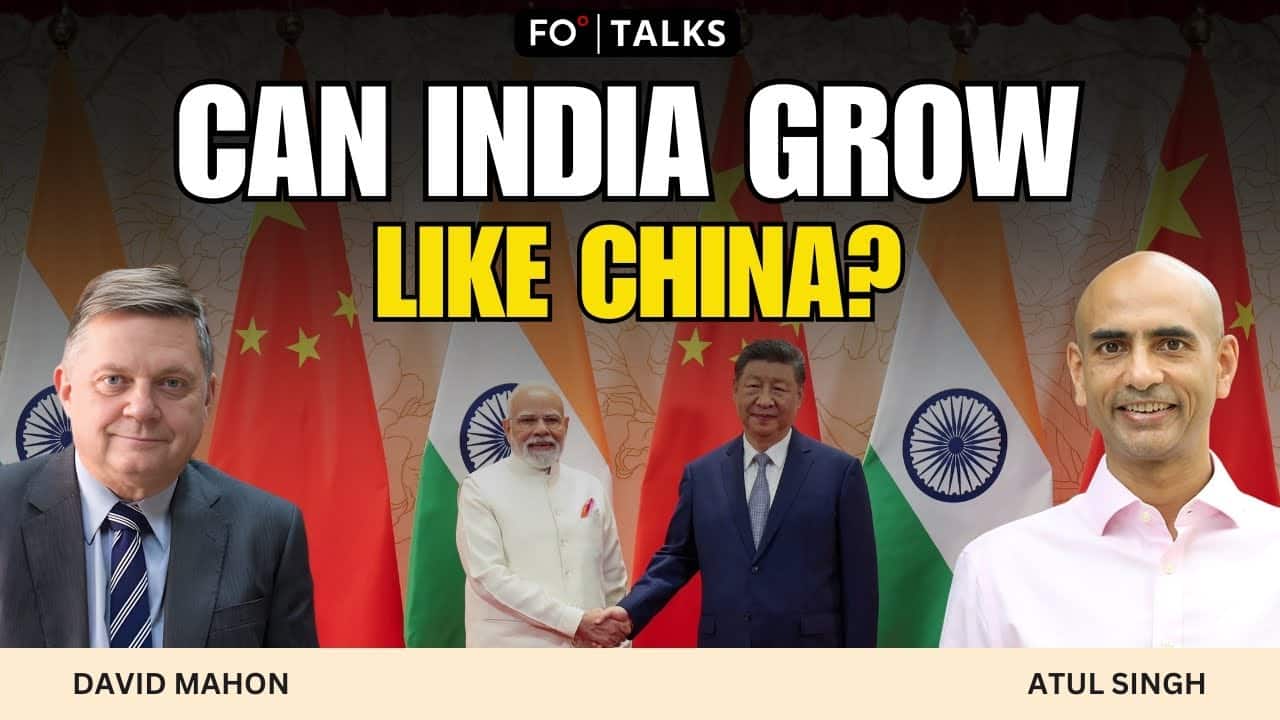
China knows that its economy is weakening. Expectations are no longer so strong (at least in the medium term), that a rising Middle Kingdom will vanquish its adversaries and replace the US as the dominant power in the region. Beijing seems to be taking a different tack, and it is calming down its aggressive rhetoric against the US. It is beginning, indeed, to seek rapprochement.
Really, Rapprochement with the US?
After so many years of wolf warrior diplomacy, this new-found reasonableness is hard to believe. Atul Singh and Glenn Carle explain how such a surprising change in direction may be coming about.
Underneath it all, Atul reminds us, is the “very simple social contract” which the Chinese Communist Party (CCP) has with its citizens. The communist regime’s credibility doesn’t rest on any democratic legitimacy but on its sheer ability to get results—prosperity. If it cannot provide that, its very existence is in question.
Without a crystal ball, no one can predict what will happen to China when the bubble inevitably bursts. Glenn refers to conversations he has had with Indian leaders who are watching developments in China with keen interest. They suggest that their northern neighbor may well weather the storm. Glenn is not so sure.
It is far more uncertain how China will navigate the middle income trap: the natural stagnation of growth that occurs when economies attempt to move from manufacturing into services. It will not be nearly as easy for China to repeat its strong growth of the last few decades, no matter how clever the CCP’s economic policy tsars may be.
All this has led Chinese leaders to come to terms with reality and look to the US for cooperation. Despite hawkish rhetoric from partisan ideologues on both sides, cooler heads among policymakers seem to be signaling rapprochement. However, this may not be possible.
The problem, as Glenn explains, is that China wants to put aside economic and trade disagreements with the US while leaving political issues outstanding. This may be too much of an ask. It seems doubtful that the US and China will be able to successfully work together while they maintain mutually incompatible goals in Taiwan and in the South China Sea.
At the heart of the matter is a fundamental disagreement. The ruling power wants to remain top dog. The rising power wants to usurp that position. The Thucidides trap remains strong and the risk of conflict high.
[Anton Schauble wrote the first draft of this piece.]
The views expressed in this article/video are the author’s own and do not necessarily reflect Fair Observer’s editorial policy.


























Comment