


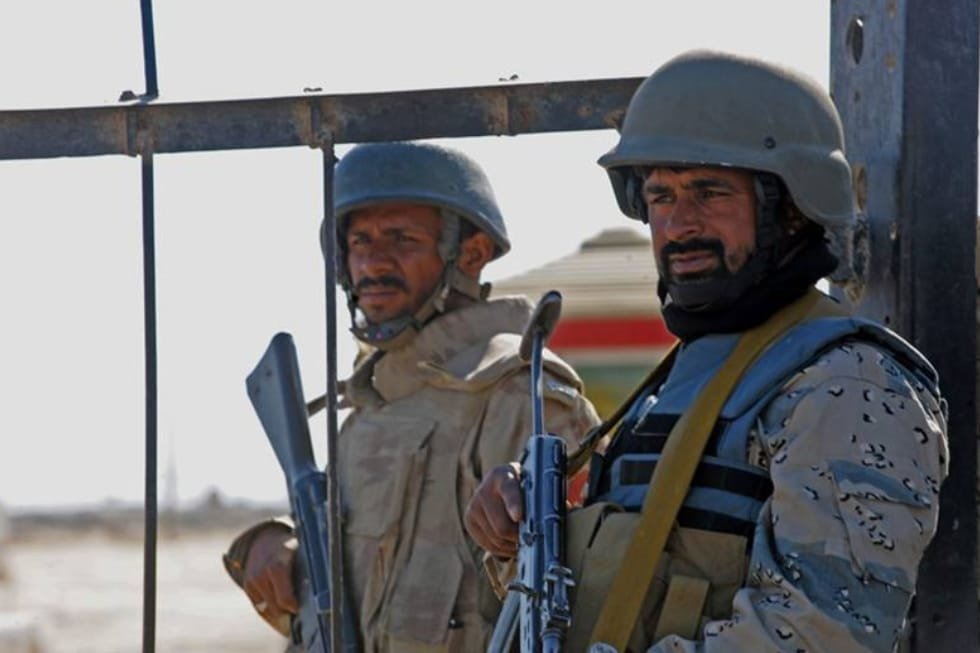



Tehreek-e-Taliban Pakistan (TTP) has remained an enduring threat to Pakistan’s peace, security and social stability since its inception in 2007. Over the years, it has been responsible for thousands of deaths and attacks against security forces and civilians. It has also struck critical infrastructure, including schools, hospitals, roads, bridges and gas pipelines. The history speaks for itself: TTP violence has never been limited to any community or institution. It has impacted society at large and has created a tremendous human, economic and social cost for Pakistan.
The TTP has also historically had close ties with the Afghan Taliban, who govern Afghanistan. Consequently, the Pakistani government has repeatedly said it is worried that terrorist groups use Afghan territory as a safe haven and a base for operations. Pakistan has long insisted that Afghanistan allows the TTP to carry out attacks, organize and train its followers from its soil.
These concerns have increasingly strained Pakistan–Afghanistan relations and heightened tensions along the border. Security along the Pakistan–Afghanistan border has deteriorated sharply in recent months, with Pakistan launching strikes against terrorist outposts in Afghanistan. The border has remained tense for days, with artillery, airstrikes and drones in use. As a result, certain crossing points, including Torkham and Spin Boldak, which were previously open for routine activity, are still facing disruptions to trade and civilian traffic.
The 38th UN report, released on August 10, echoes Pakistan’s concerns. The Monitoring Team found that the terrorist threat from Afghanistan remains largely unchanged and noted an escalation in TTP attacks on Pakistan. The report said the TTP declared its “Operation Khyber” at the start of March in various languages, urging more attacks on Pakistan, including on security personnel and civilians. The report once again put the spotlight on the safe haven the TTP enjoys in Afghanistan, reviving the question of whether a state can let armed groups operate from its soil without consequences.
The TTP’s regional network and escalating threat
This situation is further complicated by the presence of other terrorist groups and their interaction with the TTP. According to the UN assessment, Al-Qaeda is still present in Afghanistan and has been giving ideological training and support to the TTP. The report also stated that Al-Qaeda trainers have trained members of the Balochistan Liberation Army alongside TTP members in Afghanistan. The Monitoring Team’s Coordinator, Colin Smith, has also expressed serious concern about Al-Qaeda’s continued presence in the country and its support for the TTP’s activities against Pakistan. The findings show that the TTP is not an isolated organization; it is linked to other armed groups operating from Afghan territory.
Perhaps the most worrying detail is that the Afghan Taliban authorities have moved TTP fighters and their families deeper into Afghanistan. Para 99 said about 2,000 TTP terrorists and their families were relocated. The move does not remove the threat; it only takes the fighters out of sight of the border area for the time being.
The TTP’s attacks have already carried a clear human cost. On February 16, a vehicle-borne Improvised Explosive Device (IED) attack in Bajaur district of Khyber Pakhtunkhwa killed 11 security personnel and a child and wounded others. The TTP claimed the attack. This attack was not an isolated incident; rather, it was one of an ongoing trend of terrorist groups outside Pakistan.
Breaking the TTP cycle
This TTP threat has become a major obstacle to normal relations between Pakistan and Afghanistan. Pakistan has been attacked on several occasions in the past, with security measures taken in response, due to terrorists crossing from Afghan territory. These developments could result in a vicious cycle of terrorist attacks, counterterrorism action, diplomatic tensions, and unaddressed terrorist sanctuaries, which can further contribute to violence. Breaking the cycle means dealing with its cause, not just its symptoms.
For Afghanistan to enjoy lasting stability, the Afghan Taliban government must ensure that its territory is not used by terrorist groups for operations, training camps or safe havens against neighboring countries. That means the TTP should have no training facilities, networking, leadership and no free movement across the Pakistani border. Terrorist groups with international reach also need continued monitoring and a firm response.
Ending terrorist sanctuaries
The TTP’s ideology, record of violence and ongoing activities make it a clear threat to Pakistan’s peace. The Paigham-e-Pakistan religious verdict, endorsed by 1,800 religious scholars from various schools of thought, has condemned the group for misusing Islam, which has caused immense human suffering. Despite this, the TTP continues to find room to operate in Afghanistan through sanctuaries and support networks.
The real problem, then, is not just to win the battle against the individual terrorists, but to end the conditions in which terrorist groups thrive. A clear principle for any durable solution is required: Terrorist sanctuaries and regional peace cannot coexist. The TTP should not be allowed the space, resources or legitimacy to continue their campaign. Afghanistan must uphold its obligations to prevent its territory from being used against Pakistan, and the international community should keep watch and act against the terrorist groups operating from this area. These networks can only be dismantled, not simply moved. This is the only way to break the cycle of terrorism and establish lasting peace and security.
[Ruqaiyya Jhandawala edited this piece]
The views expressed in this article are the author’s own and do not necessarily reflect Fair Observer’s editorial policy.
Tehrik-i-Taliban Pakistan’s Reign of Terror: A Legacy of Violence and Exploitation
Tehrik-i-Taliban Pakistan (TTP) is continuing its terror campaign of kidnapping innocent civilians (teachers and government officials) to feed its perverse...

Afghanistan, Proxy Warfare and the Regional Crisis the World Overlooks
Pakistan’s long-held fear and concern that militant groups are using its neighboring Afghan territory is now echoed by international organizations...
Evolving Tactics of Terrorism: From Suicide Bombings to Drones and Digital War
Terrorist tactics now use drones, encrypted apps, and social media to attack, spread propaganda, and recruit. Extremist content bypasses moderation,...

The Digital Battlefield: Combating Hidden Terrorism on Social Media
Terrorist organizations take advantage of the anonymous environment of social media to find supporters and organize terror attacks. This has...

Support Fair Observer
We rely on your support for our independence, diversity and quality.
For more than 10 years, Fair Observer has been free, fair and independent. No billionaire owns us, no advertisers control us. We are a reader-supported nonprofit. Unlike many other publications, we keep our content free for readers regardless of where they live or whether they can afford to pay. We have no paywalls and no ads.
In the post-truth era of fake news, echo chambers and filter bubbles, we publish a plurality of perspectives from around the world. Anyone can publish with us, but everyone goes through a rigorous editorial process. So, you get fact-checked, well-reasoned content instead of noise.
We publish 3,000+ voices from 90+ countries. We also conduct education and training programs
on subjects ranging from digital media and journalism to writing and critical thinking. This
doesn’t come cheap. Servers, editors, trainers and web developers cost
money.
Please consider supporting us on a regular basis as a recurring donor or a
sustaining member.
Will you support FO’s journalism?
We rely on your support for our independence, diversity and quality.





Comment