


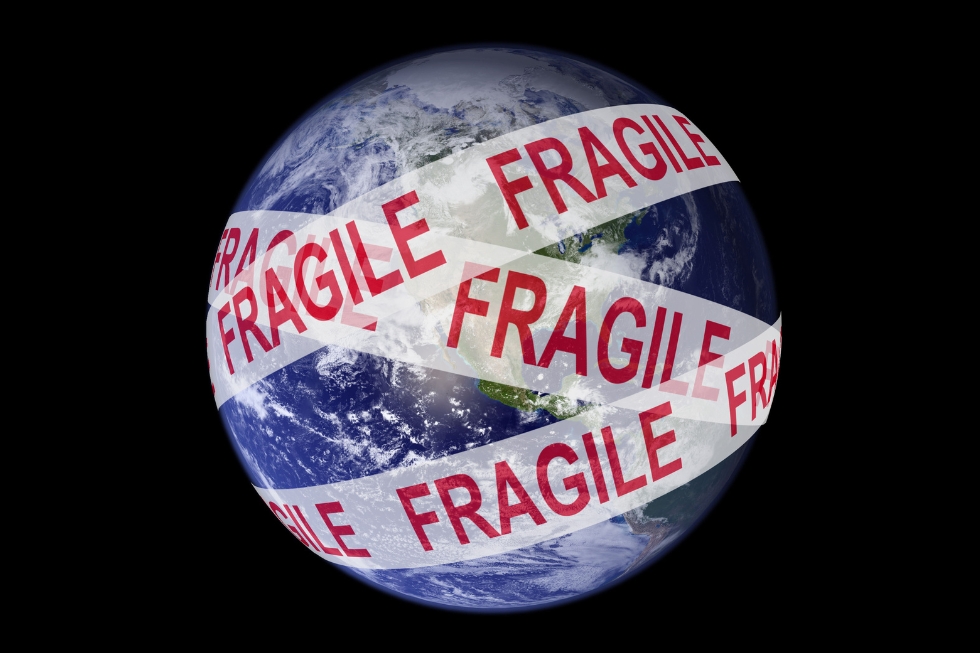



[T]he next iteration of the global security, political and economic system will not be framed by the United States alone. The reality is already something else. It is not an “order,” which inherently points to a hierarchy, and perhaps not even a “disorder.” A range of countries are pushing and pulling in line with their own priorities to produce new arrangements. We in the transatlantic community may need to develop some new terminology as well as adapt our foreign policy approaches to deal with horizontal networks of overlapping and sometimes competing structures.— Fiona Hill.
For much of the post-Cold War era, business leaders operated with a relatively stable mental map of the world. Globalization would continue to deepen. The US would remain the principal guarantor of the international order; international institutions would provide a predictable framework for trade, finance, security and dispute resolution; economic interdependence would reduce the likelihood of major wars; technology would flatten borders; markets would matter more than states. That world has not disappeared entirely, but it no longer provides a reliable guide to strategic decision-making.
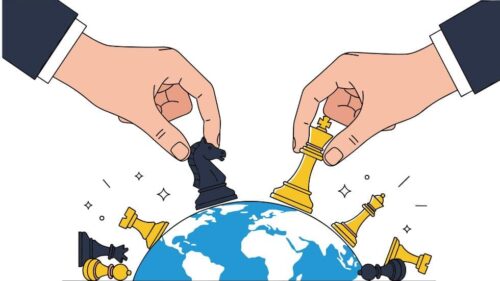
The international system is not moving smoothly from one stable order to another. It is entering a prolonged period between orders: a world of fragmentation, weakened institutions, strategic uncertainty and increasingly politicized markets. Business is operating in a world without anchors. That is to say: The old order still exists formally, but its stabilizing capacity is declining. No coherent new order has taken its place so far. The world is not in a transition; it is in a rupture.
For executives, this matters because geopolitics is no longer background noise. It is a major operating condition. Decisions about supply chains, energy, technology, market entry, logistics and resources increasingly depend on political logic and states’ strategic interests. Under the neoliberal paradigm of globalization, firms optimized for efficiency, costs and interconnection. In the post-liberal world, they must optimize for security, resilience and adaptability.
The current period should be understood as a rupture rather than a transition. We must also analyze the return of power politics and the fragmentation of the post-1945 order; how interdependence has become weaponized through trade, technology, logistics, finance and resources; and Latin America’s position in this changing landscape. In sum, globalization is not over, but it is becoming more politicized and more complex. The organizations most likely to succeed will not necessarily be those that forecast the future best, but those that learn how to remain resilient and flexible in a world adrift.
The garden and the jungle: Order is artificial and rare
American columnist and historian Robert Kagan’s metaphor of “the garden” and the “jungle” offers a useful starting point to understand the ongoing changes in the international system. The “garden” represents international order: institutions, alliances, trade rules, political standards, diplomatic norms and security guardrails. The “jungle”, however, represents international anarchy: power politics, predation, nationalism, neo-imperialism, spheres of influence and coercion.
The metaphor is powerful because it rejects the illusion that order is natural. Peace, prosperity and cooperation are not automatic outcomes of human progress. Rather, they are artificial achievements that require constant effort. They depend on political leadership, institutional investments and a willingness to pay the costs of stability. The “jungle” always grows back when the “garden” is neglected.
The post-1945 international order was not a purely moral project. It was also an exercise in enlightened self-interest. The US supported open sea lanes, global finance, collective security, reconstruction, development institutions, humanitarian aid and trade rules because doing so advanced American strategic interests and benefited allies and partners. This combination of power and consent gave the order legitimacy and durability. It was either universal or free of contradictions, but it provided a relatively stable framework for much of the world economy.
The post-1989 period strengthened the illusion that this order had become permanent. The collapse of the Soviet Union, the expansion of markets, the rise of global supply chains, the spread of the internet and China’s integration into the world economy encouraged the belief that economic interdependence would gradually discipline power politics. The “end of history” interpretation was never universally accepted, but it shaped elite expectations in business, politics, finance and international institutions.
The events of the 2020s have shattered that confidence. COVID-19 revealed the fragility of global systems. Russia’s invasion of Ukraine reintroduced large-scale territorial war in Europe. The Middle East entered a phase of persistent instability after the Gaza war and wider regional escalation. Sudan illustrates how state collapse can become both a humanitarian disaster and a geopolitical vacuum. Taiwan, the South China Sea, the Arctic, the Red Sea and the Strait of Hormuz show how geography and chokepoints are returning to strategic centrality.
According to the Uppsala Conflict Data Program, there were at least 65 state conflicts in 2025, the highest number since 1946. This is why the affirmation “rupture, not transition” is analytically useful. A transition suggests movement from one identifiable order to another. A rupture describes the weakening of the old order before a replacement has emerged. In such periods, rules become less reliable, institutions lose authority, alliances become more conditional and power is exercised more directly. These changes show that stability is not the default condition of international politics. It is the exception.
A system without structure
The US remains the world’s dominant military and financial power. China is the principal challenger in industrial capacity, trade, infrastructure, technological ambition and geopolitical influence. Europe is wealthy and institutionalized, but strategically dependent and internally divided. Russia is militarily disruptive but economically limited. India is an aspiring great power with a growing demographic and strategic relevance, but it still has limited global power projection. Gulf states such as Saudi Arabia and the United Arab Emirates are emerging as liquidity providers, energy actors, logistical hubs and diplomatic brokers. Middle powers increasingly seek autonomy, but most lack the capacity to shape the system on their own.
This is why multipolarity can be misleading. Multipolarity implies several relatively stable and even poles of power. The present world is more ambiguous. It is characterized by asymmetry, fragmentation, hedging and overlapping forms of dependence. The world is not coherently multipolar. It is a system without a stable structure. Power is diffuse in some domains and concentrated in others.
American political scientist Joseph Nye’s “three-dimensional” view of power remains useful: Military power remains disproportionately American; economic power is more tripolar among the US, China and Europe; political influence is increasingly multipolar and issue-specific. This means that boards and executives must navigate multiple systems and global political dynamics simultaneously. It suffices to mention the different approaches of Chinese President Xi Jinping, Indian Prime Minister Narendra Modi, US President Donald Trump and Russian President Vladimir Putin to the so-called international liberal order. Putin rejects it. Modi operates within it. Xi builds an alternative. Trump extracts value from it.
China has benefited enormously from the global economic system since 1978. Yet it seeks to reshape that system through an alternative set of institutions. It does not necessarily seek to destroy the system from which it has profited, but rather to reduce dependence on Western rules and increase its ability to set its own terms. Russia cannot replace the system through persuasion, innovation or economic attraction. Its influence is primarily disruptive. It uses conventional war, hybrid operations, energy pressure, cyber capabilities, information warfare and historical grievance to weaken the order it rejects. In that sense, Russia is not a builder of a new order but an agent of disorder. India seeks strategic autonomy. It does not wish to become a subordinate member of an American or Chinese bloc. It cooperates with the US through the Quadrilateral Security Dialogue (Quad), maintains links with Russia, positions itself as a voice of the Global South, and presents itself as a civilizational state with democratic institutions and nationalist identity.
The US is undergoing the most consequential shift because it is the order’s former anchor. When the anchor is unstable, the whole system becomes unmoored. US foreign policy increasingly combines military predation, commercial tariffs, unilateral sanctions, active industrial policy, technological controls and immigration restrictions. The result is not classic isolationism. It is selective engagement without the same commitment to system maintenance. The US is no longer simply managing the system. It is increasingly competing inside it and squeezing its value.
This creates a paradox. The world still depends heavily on American power, markets, technology, universities, capital, military alliances and the dollar. Yet the credibility of American stewardship has declined. Allies hedge. Rivals probe. Middle powers diversify. Companies reassess exposure. The system continues to function, but with less trust. The implication is clear: The international order is not collapsing in one dramatic moment. It is losing reliability and internal stability.
The return of power politics
Power politics never disappeared, but for three decades, it was often obscured by the language of economic globalization, political convergence and liberal internationalism. Today, power politics is again explicit. The US–China rivalry is the central axis of the struggle for hegemony in the 21st century. Yet it should not be described as a simple Cold War 2.0. The Cold War was primarily ideological, but the US and the Soviet Union were not deeply economically integrated. Their blocs were relatively fixed. Red lines were clear.
The current US–China rivalry is different: The two powers are interdependent yet competitive.
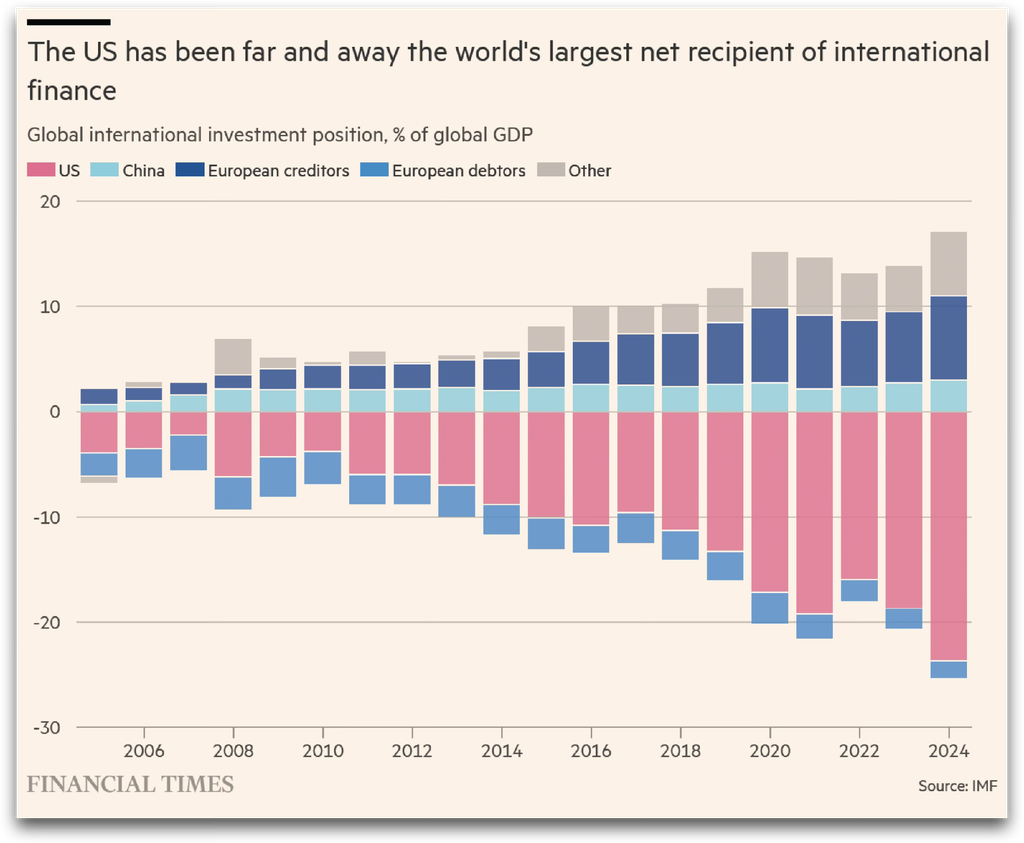
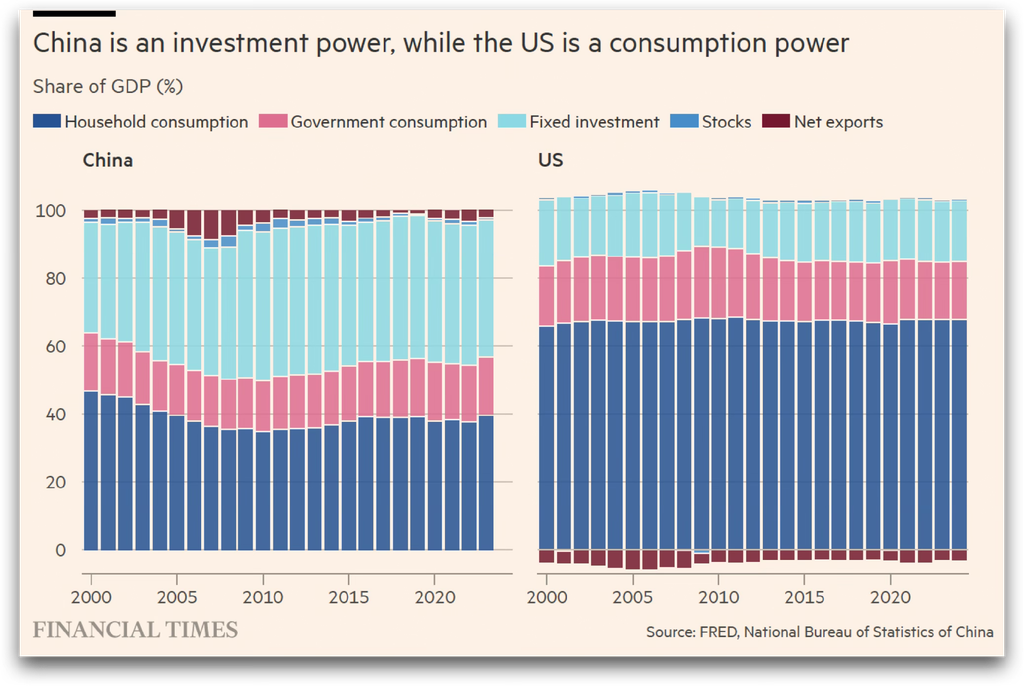
Their economies remain connected, but their strategic objectives increasingly diverge. This creates a hostility trap. Domestic politics, national security fears, technological competition, industrial policy and mutual distrust reinforce one another. Both sides view dependence as vulnerability. Both are building partial alternatives. Both are trying to reduce exposure without completely severing economic ties. The US increasingly pulls capital and production inward, while China continues pushing industrial capacity and exports outward. Consequently, the global economy suffers from a combination of US protectionism and China’s mercantilism.
China’s strategy is especially important for business leaders. It is not primarily exporting ideology as the Soviet Union did. It offers financing, technology, minerals and sustainable solutions, among other export products and services. China is an aspiring superpower without the same level of entanglement. It minimizes commitments while maximizing leverage.
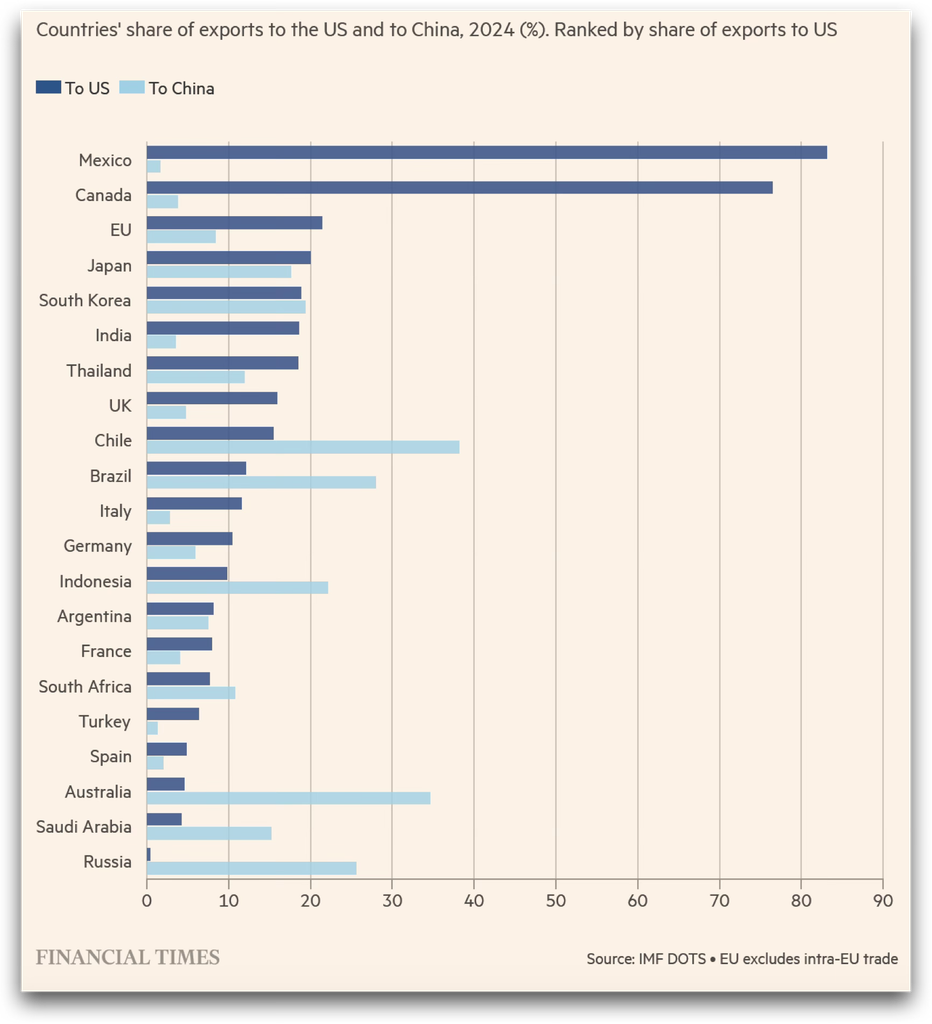
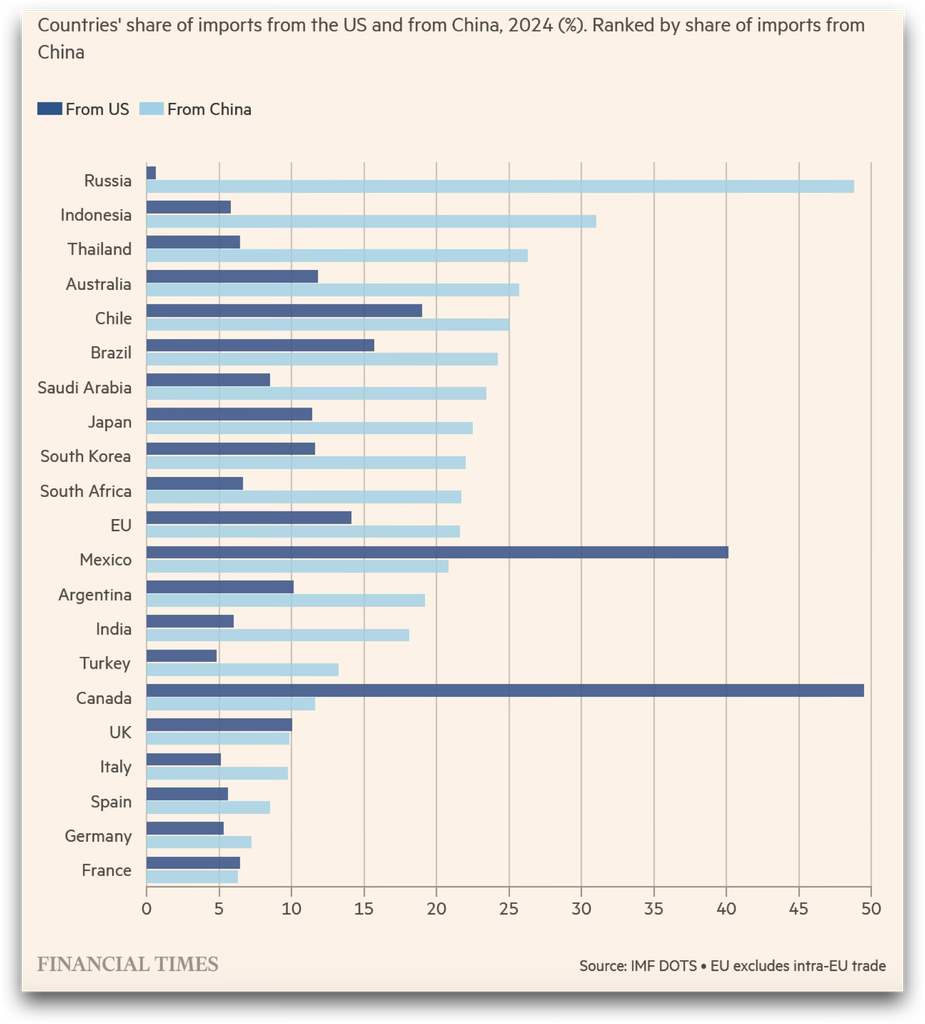
Russia represents a different problem: revisionism through destruction. Its invasion of Ukraine is not merely a territorial dispute. Russia seeks to reassert spheres of influence, undermine Western cohesion and challenge the principle that smaller states can choose their own strategic orientation. Regardless of who “wins” or “loses” in conventional terms, the war has already altered Europe’s security environment, accelerated rearmament, exposed dependency on the US, and revived questions about deterrence, strategic autonomy and the future of the EU’s defense.
The Middle East illustrates the persistence of instability. In that region, conflicts do not resolve. They persist, mutate and produce ever-higher risk premiums. Military might does not guarantee political success. The parties involved have been unable to establish peacekeeping arrangements to address the underlying grievances, disagreements and rivalry. Iran, Israel, the Gulf states, non-state actors and external powers are boxed in regional tensions where escalation and restraint coexist.
Sudan shows a different form of disorder: full state collapse. A collapsed state becomes the proxy arena for local militias, neighboring states, Gulf actors, Russia, Iran and other forces. The war is not only a domestic conflict. It is a regionalized struggle with external patrons, food insecurity, mass displacement, the quest for minerals, logistics and security implications for the Red Sea.
These cases reveal a broader pattern. War is becoming more frequent as a tool of statecraft. Hybrid warfare blurs the distinction between peace and conflict, war zones and civilian zones. Alliances are becoming more conditional. International law constrains behavior less effectively. Nuclear deterrence still matters, but it does not prevent conventional war, cyber operations, grey-zone coercion or proxy conflict.
Weaponized interdependence
The most important business implication of the new geopolitical landscape is the transformation of interdependence into leverage.
Neoliberal globalization was designed around efficiency: low-cost production, just-in-time logistics, specialized suppliers, global markets, open sea lanes, economies of scale and financial integration. This model remains compelling. Global trade has not collapsed. Trade values and volumes remain high. The world economy remains deeply connected and resilient, but the meaning of interdependence has changed. It is no longer simply a source of mutual benefit; it is also a source of vulnerability. Governments increasingly use sanctions, export controls, tariffs, investment restrictions, industrial subsidies, technology bans, market access rules and financial pressure as instruments of statecraft. Globalization has not died; it has been “weaponized.”
More than 80% of global trade moves through maritime routes, many of which depend on a small number of chokepoints. The Taiwan Strait, South China Sea, Strait of Malacca, Strait of Hormuz, Bab el-Mandeb, Suez Canal, Panama Canal, Bosporus and a few other narrow passages concentrate risk. War, piracy, drones, accidents, droughts, sanctions, blockades or infrastructure failure can disrupt these chokepoints. The trade system appears global and diversified, but it is also networked, concentrated and path-dependent. A single shipment can pass through several chokepoints sequentially. One failure along the global route system produces delays. Several simultaneous failures can produce systemic disruption.
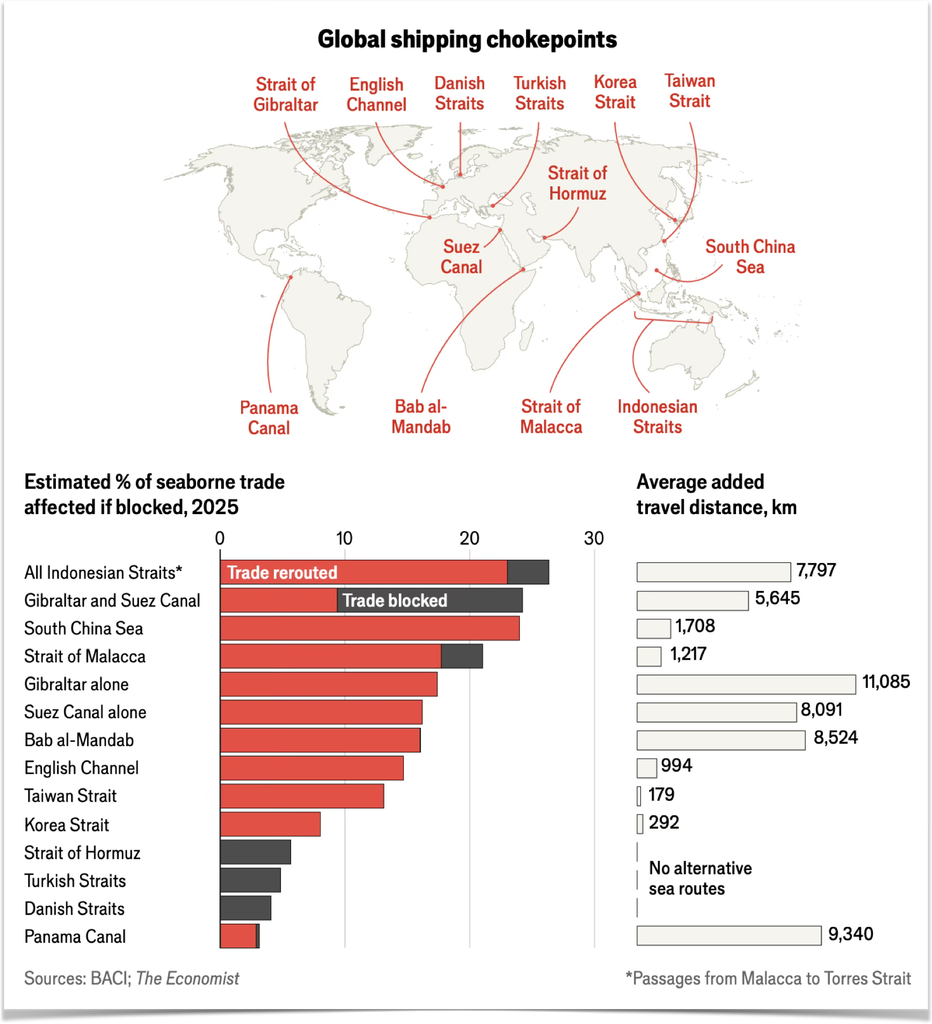
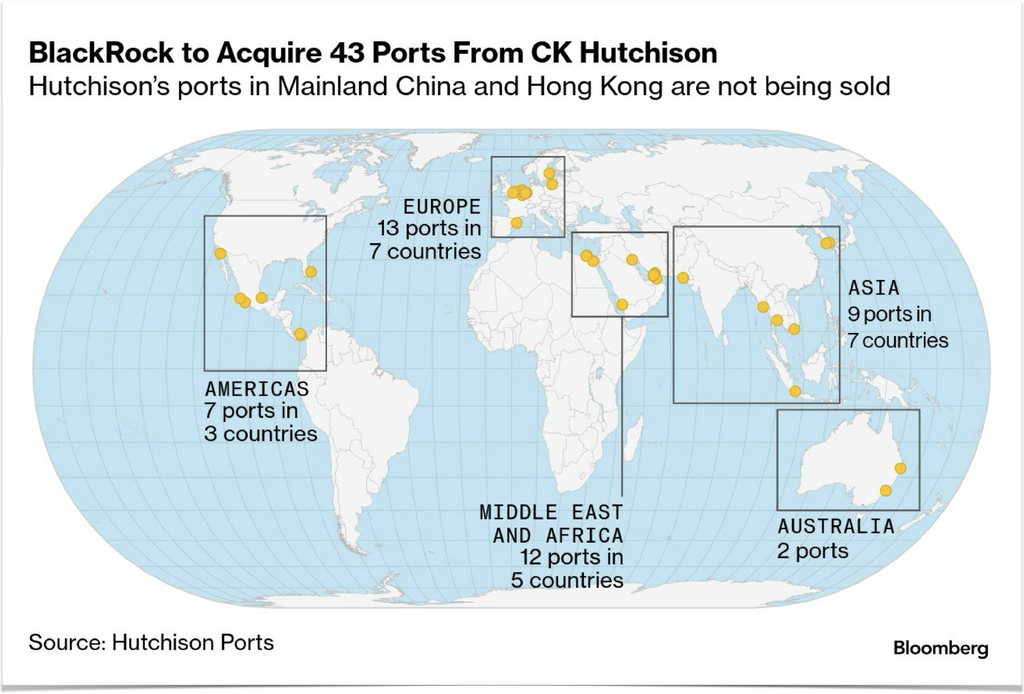
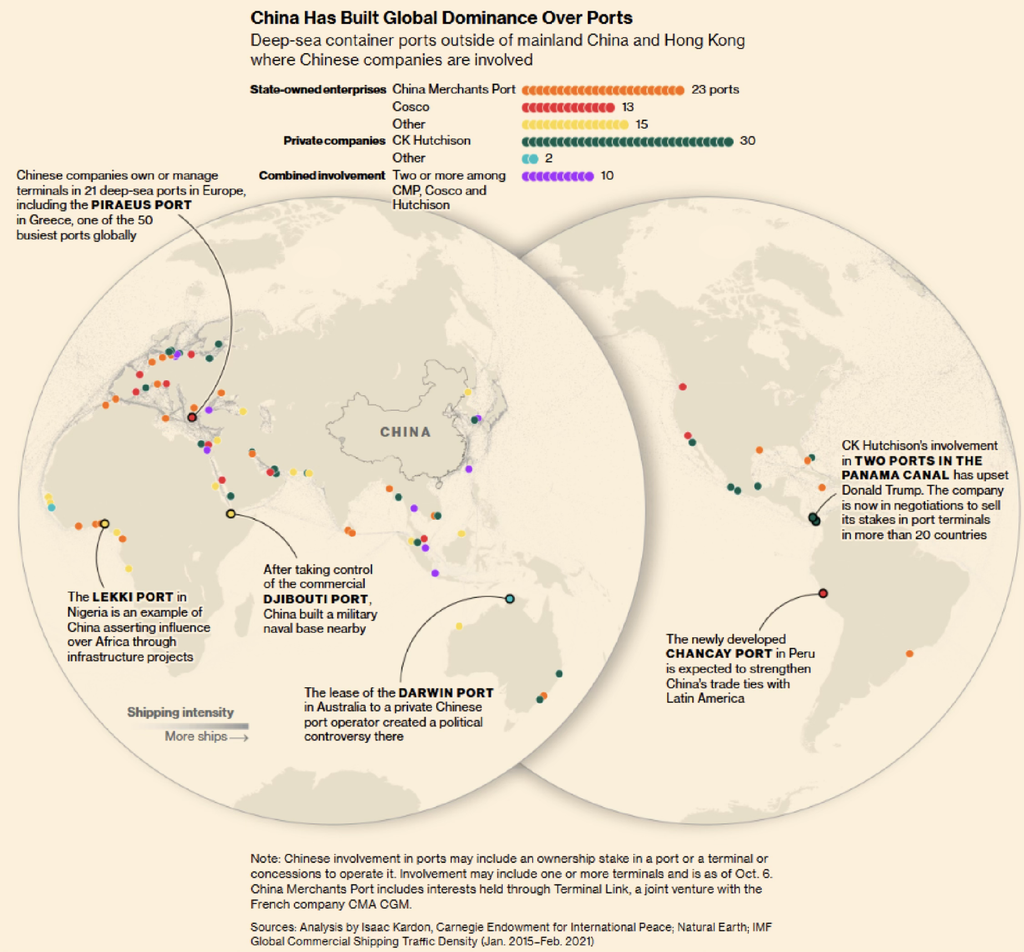
As a consequence, ports have become sensitive national and corporate strategic assets. They are not mere conduits of trade in goods, but anchors of strategic positioning, intelligence gathering, military power projection, risk diversification and political access. The Red Sea, Port Sudan, Djibouti, Chancay in Peru, Punta Arenas in Chile, the Panama Canal, and Arctic routes all demonstrate that geography has returned as a geopolitical concern.
The same geopolitical logic applies to the “weaponization” of technology. The semiconductor supply chain is global, sophisticated and fragile. Taiwan Semiconductor Manufacturing Company produces most of the world’s most advanced chips. ASML in the Netherlands dominates extreme ultraviolet lithography. The US leads in chip design and specialized software. Japan, South Korea, Taiwan, the Netherlands and the US occupy key nodes. The fate of large parts of the global economy depends on a small number of firms and countries.
Chris Miller, an associate professor at the Fletcher School of Law and Diplomacy, points out that the ability to produce leading-edge chips has become one of the defining industrial capabilities of our time. Semiconductors are not simply components. They are the infrastructure for artificial intelligence, defense systems, cloud computing, smartphones, electric vehicles, data centers, logistics, finance and modern manufacturing.
Rare earths and critical minerals create similar vulnerabilities. China dominates major parts of the processing and refining chain for rare earths, graphite, lithium, and other inputs essential to batteries, electronics, defense systems, wind turbines, electric vehicles, and advanced manufacturing. Restrictions on gallium, germanium, antimony, and other materials show how minerals can become instruments of deterrence.
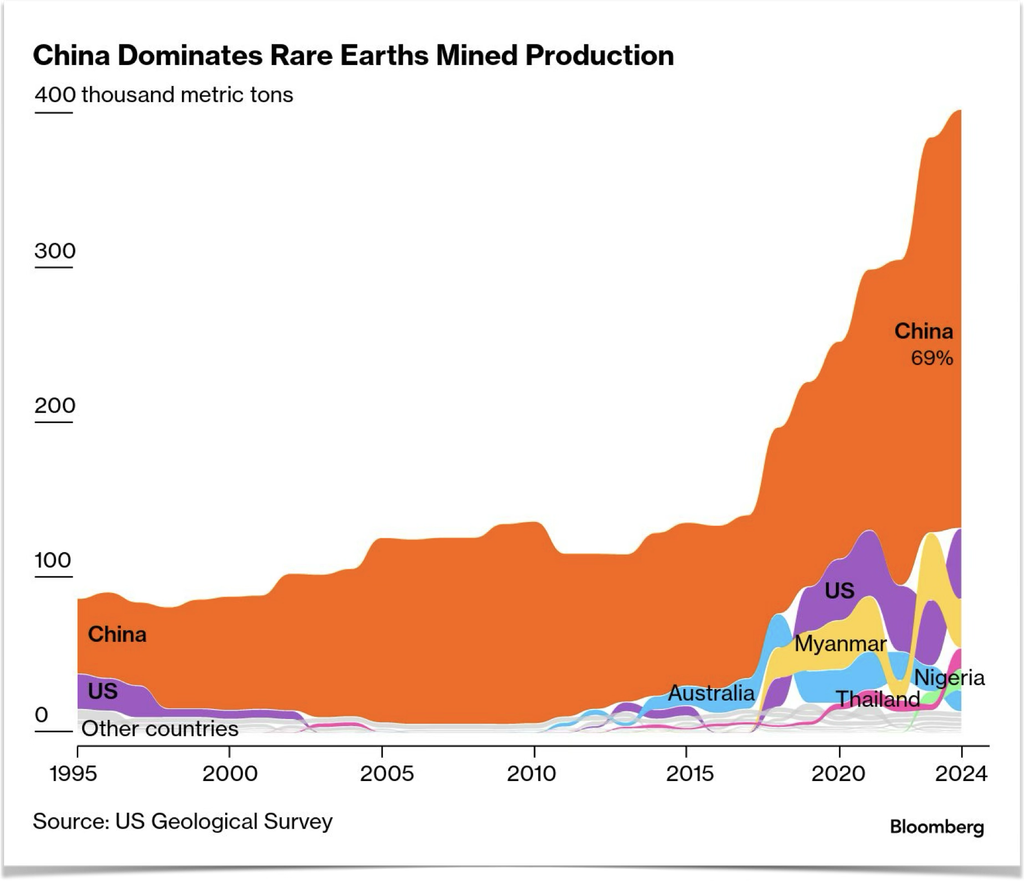
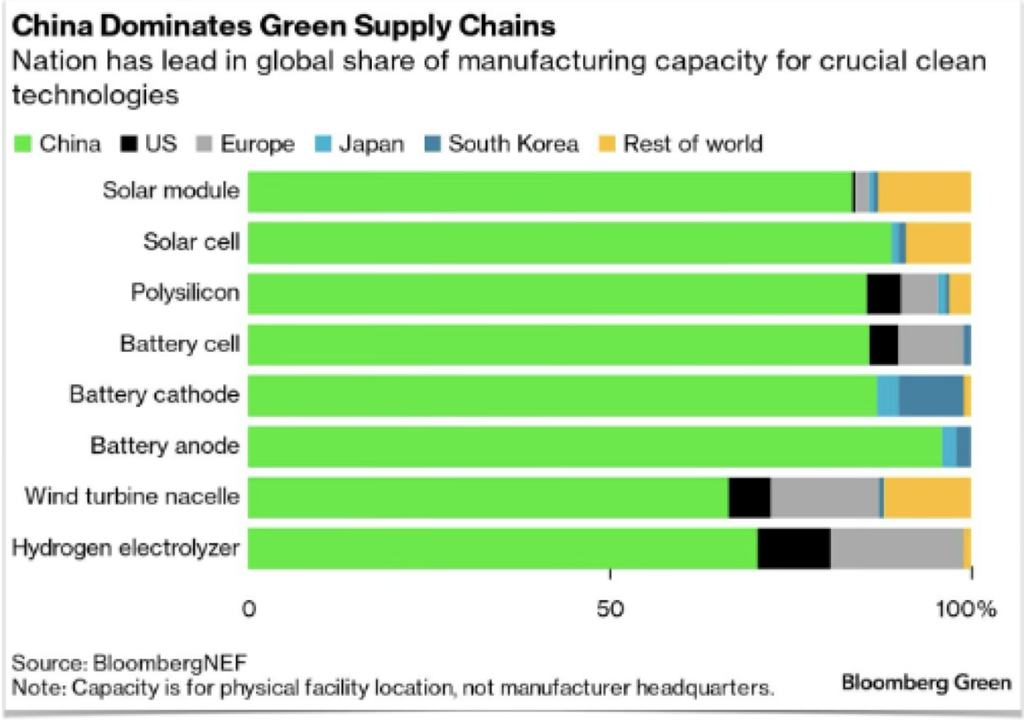
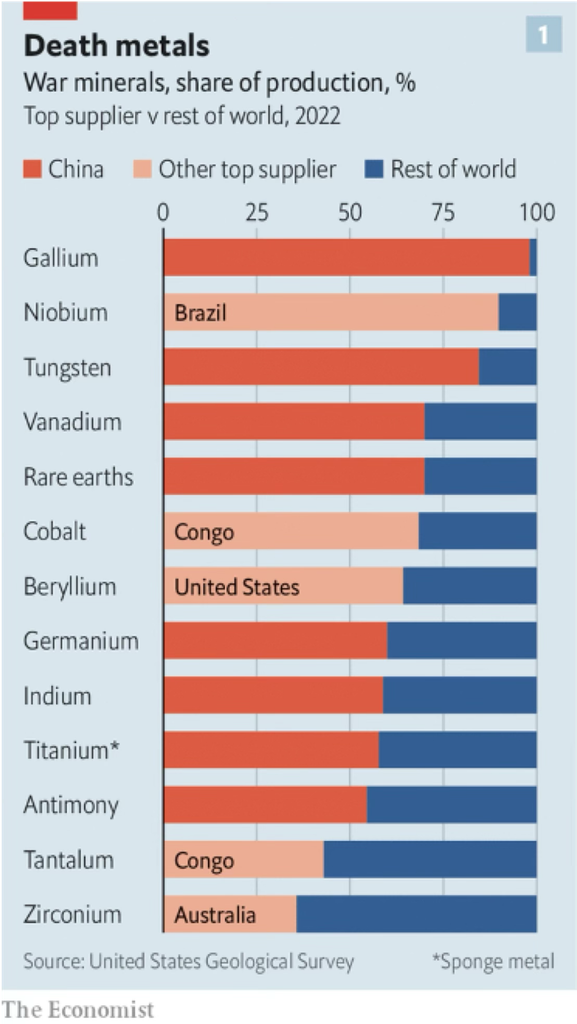
The message for companies is clear: Supply chains are geopolitical assets, especially in technology, energy, and logistics. The old question was: How do we optimize globalization for cost and speed? The new question is: How do we design global operations for resilience under political stress?
The US dollar and the fragility of trust
The international order is not only military and commercial. It is also financial. The dollar remains the central currency of global finance, reserves, trade settlement and safe assets. US financial markets remain unmatched in depth and liquidity. As American economist Larry Summers has argued, as long as Europe is a museum, Japan a retirement home and China a prison, the US dollar will remain dominant.
Yet dominance does not mean immunity. Trust is the foundation of the dollar system. If investors begin to doubt the reliability of US institutions, the rule of law, central bank independence, debt sustainability or the political use of financial power, they may diversify gradually. Such diversification does not immediately end dollar dominance, but it can weaken the perception that US assets are politically neutral.
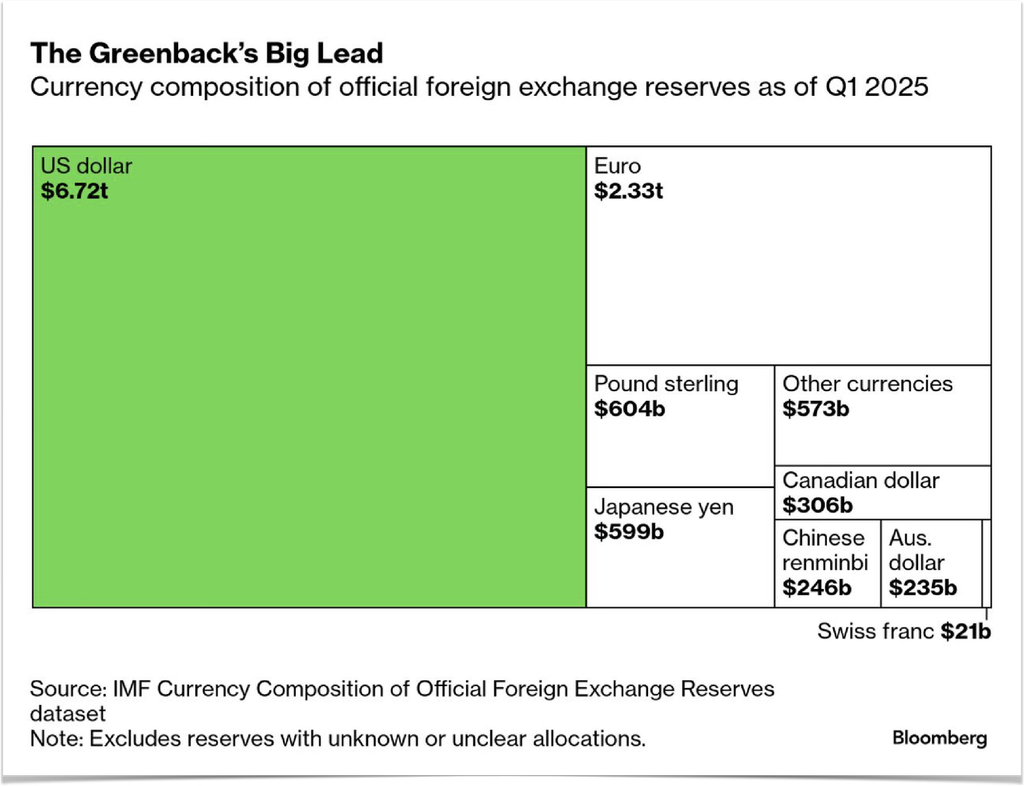
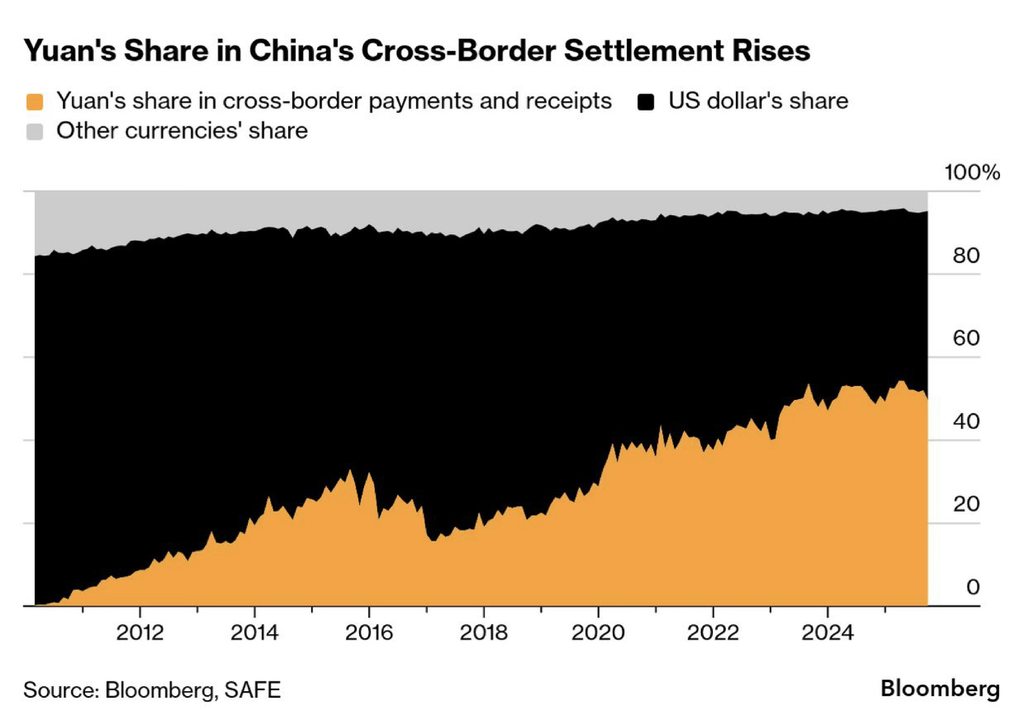
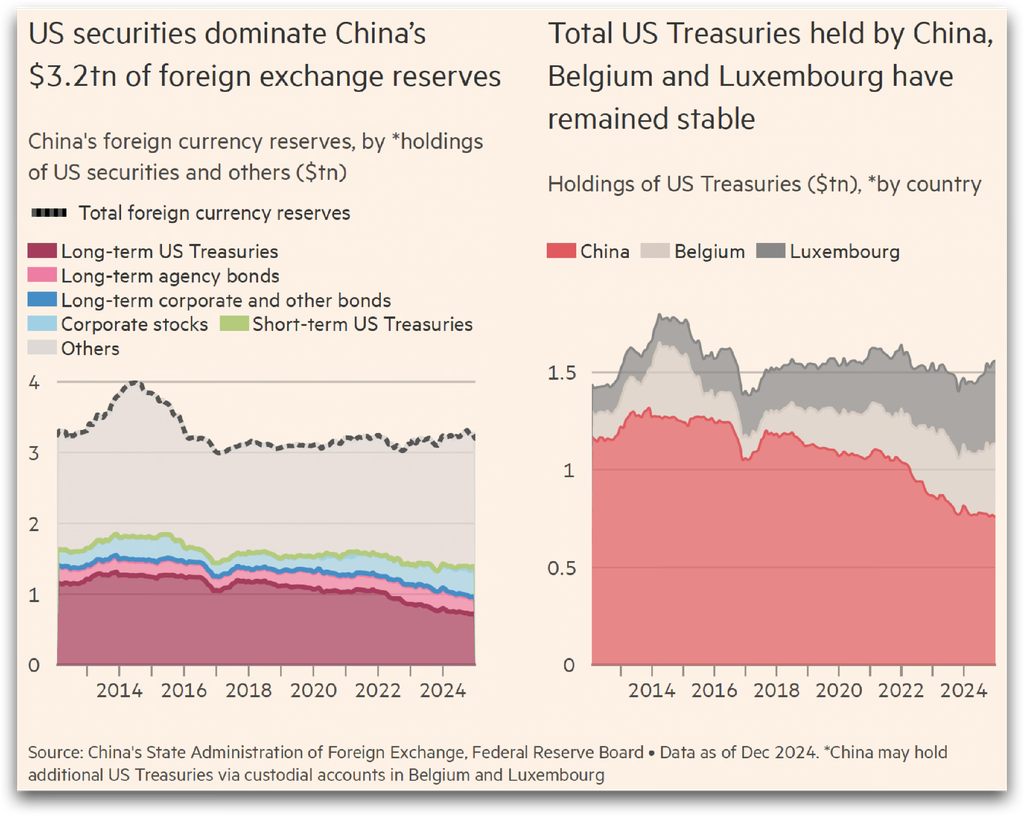
Weaponized finance has short-term coercive power, but also long-term costs. Sanctions, asset freezes and financial restrictions can be effective tools of control. But the more frequently they are used, the more incentives other states have to build alternatives. China, Europe, Gulf states and emerging markets may not be able to replace the dollar, but they can seek partial insulation.
In recent years, there has been growing concern about hypothetical selective default scenarios, sanctions exposure and politicized finance. Even if these risks are not immediate, they matter because financial systems depend heavily on expectations. This reinforces the core argument: The system still works, but with more friction and less trust.
Latin America: global relevance and local limitations
Latin America occupies an ambiguous position in this new landscape. It is not at the center of the great-power rivalry, but it is no longer outside it. Geopolitics arrives in the region not primarily through conventional military risks, but through contracts: ports, mines, energy projects, telecommunications, infrastructure, finance, technology and trade.
On the one hand, the region has significant advantages. It is relatively distant from the main theatres of war in Europe and the Middle East. It has abundant critical minerals, including lithium, copper and other resources central to the energy transition. The lithium triangle of Chile, Argentina and Bolivia contains a large share of global lithium reserves. Chile and Peru are central to copper supply. Brazil has agricultural, energy and industrial depth. Mexico benefits from proximity to the US. The region has biodiversity, renewable energy potential and a population of more than 600 million people.
On the other hand, Latin America’s leverage is constrained by fragmentation. Regional integration remains weak. Intra-regional trade is low compared with Asia or Europe. Infrastructure gaps persist. Investment in research and development remains limited. State capacity varies widely. Organized crime, corruption, insecurity, informal economies, weak rule of law and political polarisation undermine economic growth and social development.
Meanwhile, China has expanded its influence in Latin America through trade, infrastructure, mining, finance, ports and technology. The Chancay port in Peru, built by the China Ocean Shipping Company (COSCO), is a clear example. It promises logistical gains, direct Asia-Latin America connectivity and commercial opportunity, but also raises questions about strategic dependence, port sovereignty and control over logistics infrastructure. Punta Arenas and the Strait of Magellan illustrate another juxtaposition of shipping potential, green hydrogen projects, fishing capacity and US and Chinese interests in the southern cone.
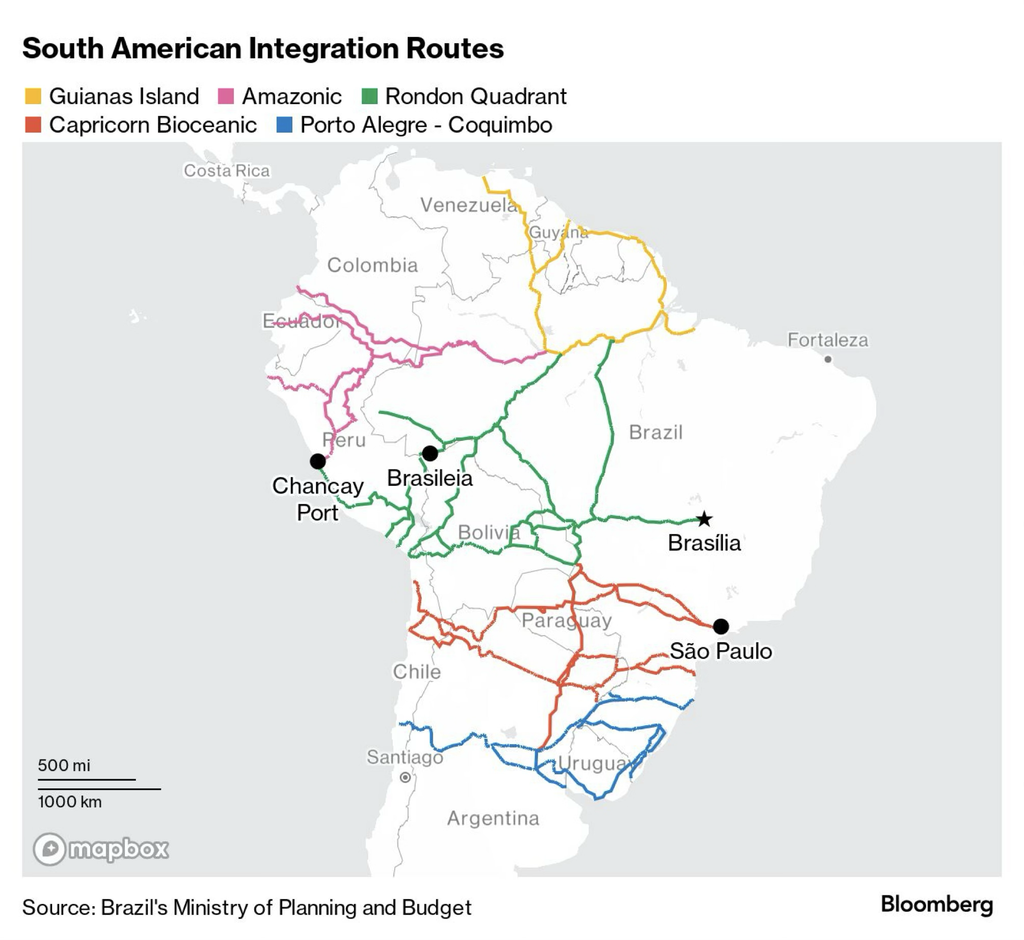
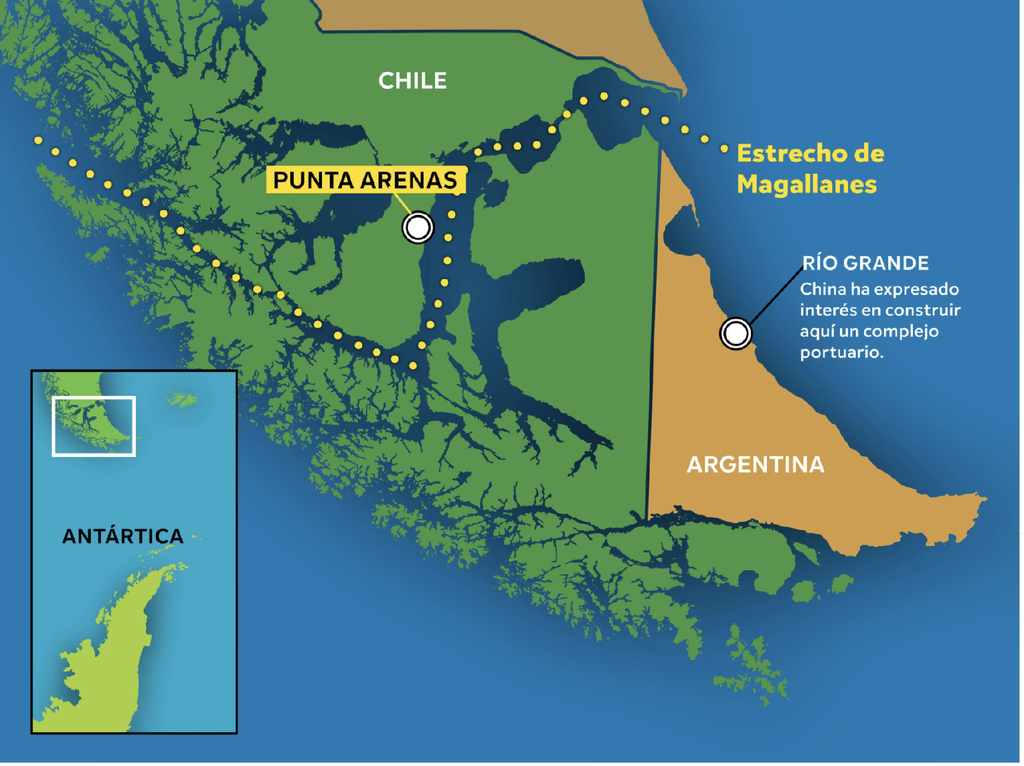
The US remains essential, particularly for Mexico and Central America. Yet US policy toward the region often appears driven by domestic priorities: migration, narcotics, tariffs, competition with China and electoral politics. This can make Washington powerful but unpredictable. The EU offers investment appetite, regulatory standards, trade agreements and development partnerships, but it lacks China’s speed and the US’ geographic centrality.
Latin Americans’ ties with Asia and Africa remain substantially underdeveloped. Latin America’s challenge is to avoid becoming merely a theater of external competition. The region can remain fragmented and reactive, or it can pursue issue-based agency in minerals, food security, energy transition, nearshoring, digital infrastructure, climate finance and selective multilateralism. The question is not whether Latin America matters. It does. The question is whether it can act strategically.
Possible scenarios
Supposing history is not predetermined and the future remains open, there are several plausible, juxtaposed international scenarios in the near term. One such scenario is partial fragmentation. In this scenario, the US and China remain rivals, but they preserve guardrails. Trade continues, but under more controls. Technology ecosystems are partially separate. Middle powers hedge. Regional blocs strengthen. Firms adapt through redundancy and political risk management. This is not a liberal global order, but it is not systemic collapse.
A second scenario is bounded rivalry. The world divides into US-leaning, China-leaning and hedging zones. Rules become regional. Industrial policy expands. Supply chains become more duplicated. Costs rise. Innovation continues but becomes more politicized. Companies operate through regional portfolios rather than integrated global platforms.
A third scenario is persistent disorder. No hegemon leads; institutions weaken further, regional conflicts multiply; trade chokepoints suffer repeated disruptions. This is a world of higher risk premiums, lower trust, and more frequent crises.
A fourth scenario is systemic escalation. A Taiwan crisis, a wider Middle East war, a NATO–Russia confrontation or a sequence of chokepoint disruptions could trigger large-scale economic and security consequences. One cannot ignore the mounting risks posed by AI’s social impacts, immigration tensions or the cost-of-living crisis. Although echoes of 1920s–1930s dynamics are not very popular and seem far-fetched, those history lessons should not be ignored.
Last but not least, it is worth keeping on the radar screen American political scientist Michael Beckley’s “stagnant order” thesis. The great powers may be less dynamic than they appear. China may be peaking. The US may remain relatively stronger despite dysfunction. The EU may remain wealthy but punching under its weight. India may rise less quickly than expected. Russia may remain disruptive but declining. The result would not be a world of rising powers, but a closed club of aging incumbents. Stagnation does not guarantee peace. Declining or plateauing powers can become more risk-acceptant. Russia’s war in Ukraine and China’s pressure around Taiwan suggest that fear of lost opportunity can produce aggressive behavior. The danger may come not only from rising powers but also from powers that believe time is running out for them.
Adaptation in a world without anchors
A single crisis does not define the current international system. It is defined by the accumulation of interacting pressures: great-power rivalry, institutional erosion, weaponized interdependence, trade fragmentation, technological competition, climate disruption, democratic fatigue, fiscal stress, resource competition, populism, immigration and regional instability. The old anchors are weaker. The new anchors are not yet clear.
For business leaders, the central question is not whether globalization will survive, but rather what kind of globalization will emerge over the next decade or so. So far, the emerging answer seems to be a more political, regional, contested and fragile form of globalization. This environment will not eliminate opportunity. Demand remains strong in strategic sectors such as energy, semiconductors, logistics, digital infrastructure, AI and food security. But opportunities will be harder to capture. It will require political intelligence, operational resilience and strategic adaptability. New geopolitics creates uncertainty. The winners will be those who adapt faster.
[Kaitlyn Diana edited this piece.]
The views expressed in this article are the author’s own and do not necessarily reflect Fair Observer’s editorial policy.
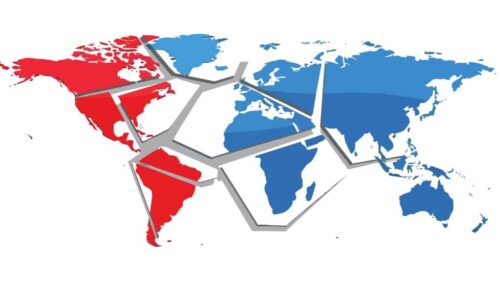
Neither Fukuyama nor Huntington: The Age of Fragmented Interdependence
The modern world is shaped by “fragmented interdependence”, where global connections deepen despite growing political, cultural and epistemic divides. Both...
Why America’s Destruction of the World Order Could Be Disastrous
The US built the post-1945 rules-based order, gaining economic, financial and security advantages. The Trump administration’s erosion of this system...
China Watch: The Rise of a New Global Order Amidst the Persian Gulf War
China’s strategic restraint in the recent war in Iran contrasts with US aggression, positioning it as a stabilizing global force...
The Agency of Middle Powers in a Fragmented and Polarized World
Middle powers like Norway, Qatar and Switzerland play crucial roles in maintaining global stability amid great power rivalry. Operating between...
The Time Is Out of Joint: Power, Misalignment and the G1.5 World
The international system today is not collapsing, but its institutions and power realities are increasingly misaligned. States remain economically interconnected,...
Support Fair Observer
We rely on your support for our independence, diversity and quality.
For more than 10 years, Fair Observer has been free, fair and independent. No billionaire owns us, no advertisers control us. We are a reader-supported nonprofit. Unlike many other publications, we keep our content free for readers regardless of where they live or whether they can afford to pay. We have no paywalls and no ads.
In the post-truth era of fake news, echo chambers and filter bubbles, we publish a plurality of perspectives from around the world. Anyone can publish with us, but everyone goes through a rigorous editorial process. So, you get fact-checked, well-reasoned content instead of noise.
We publish 3,000+ voices from 90+ countries. We also conduct education and training programs
on subjects ranging from digital media and journalism to writing and critical thinking. This
doesn’t come cheap. Servers, editors, trainers and web developers cost
money.
Please consider supporting us on a regular basis as a recurring donor or a
sustaining member.
Will you support FO’s journalism?
We rely on your support for our independence, diversity and quality.





Comment