

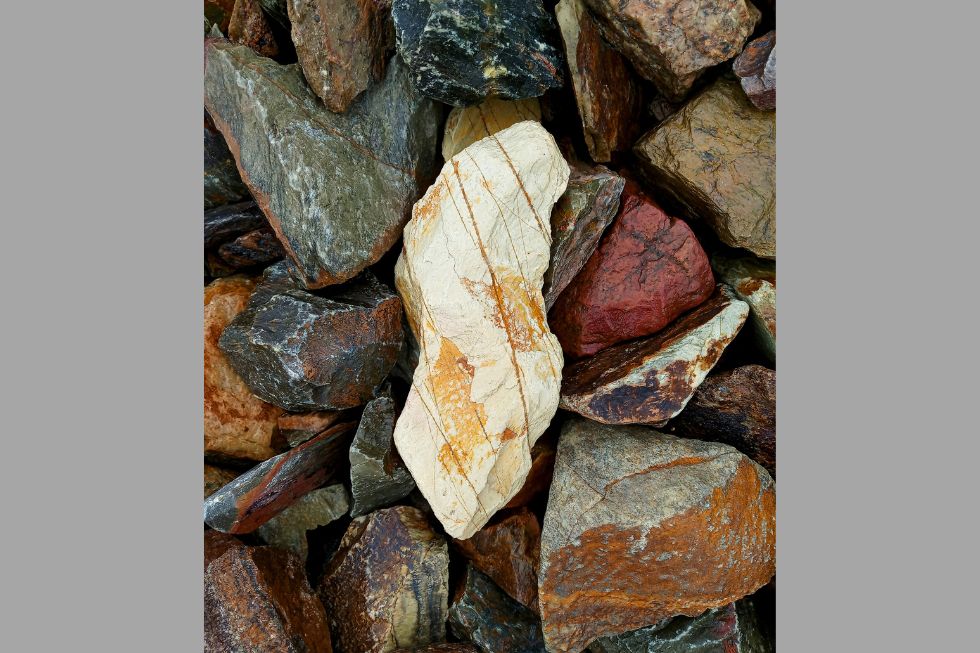



Pakistan does not have many painless economic choices left. Years of debt pressure, weak investment and recurring balance-of-payments stress have forced the state into a cycle of short recoveries followed by fresh constraints. That is why renewed attention to the minerals sector matters. Beneath the headlines lies a real opportunity, but also a familiar risk. Pakistan has often exported raw or lightly processed goods and then wondered why the country earns too little from what it sells. The same trap now hangs over minerals. If the country simply digs, ships and celebrates, it will repeat an old mistake in a new industry. The larger backdrop, visible in external trade data and State Bank growth reporting, is that Pakistan needs durable sources of foreign exchange, not another short burst of optimism.
Pakistan’s resource base is substantial, and the official yearbook of the Ministry of Energy has long catalogued copper, gold, coal, iron ore, chromite, limestone, marble, gypsum and gemstones. Yet resource wealth on paper is not the same as value in the treasury. The political temptation is to point to large headline numbers at investment forums and treat them as future income.
Serious investors do not work that way. They look for certified reserves, detailed engineering, water availability, power access, transport corridors, tax stability and dispute resolution they can trust. That is why the updated feasibility study for Reko Diq, the project’s technical report and the International Project Disclosure (IFC) matter more than sweeping claims about buried wealth. They move the conversation from fantasy to finance.
Reko Diq is a governance test
The strongest symbol of that shift is Reko Diq itself. If Pakistan can keep the project on track, protect the contract structure and maintain public credibility, it could alter the country’s export mix for decades. Barrick Gold Corporation’s first production target of 2028 is important, but the institutional lesson is even more so. Pakistan already paid a heavy price for the earlier legal conflict around this asset. A successful mine would show that the country can manage a long-horizon project effectively without turning every commercial disagreement into a national crisis. It would also show whether the state can enforce environmental and community standards through a genuine environmental and social impact framework — not just a ceremonial one. In a world shaped by the critical minerals outlook and the push for climate-smart mining, governance quality is no longer a side issue; it is part of the asset’s value.
Thar coal offers a harder lesson. The project helped expose the cost of relying too heavily on imported fuel and too little on domestic resources. The case made by Sindh Engro Coal Mining Company (SECMC) is straightforward: Local coal reduced some import pressure and created domestic energy capacity that Pakistan had long delayed. In a country that still struggles with energy insecurity, that matters. But it is only a partial answer. Coal can buy time, yet it cannot define a future facing stricter environmental scrutiny, constrained climate finance and rising global pressure for cleaner supply chains. Even Pakistan’s current export profile of ores and related products shows how limited the country’s value capture remains. Import substitution can ease short-term pressure. It does not, by itself, build a modern industrial base.
The real prize lies beyond the pit
That is why Pakistan should stop talking about minerals as if extraction alone were development. The real prize lies further down the value chain: processing, refining, smelting, cutting, certification, engineering services, logistics and specialized manufacturing linked to copper, industrial minerals and gemstones. To get there, the country needs better geological data, predictable licensing, reliable electricity, water planning, roads, rail links and vocational training. It also needs rules that people can trust.
Pakistan already has environmental review regulations, but rules on paper are not enough when local communities feel excluded or provincial interests feel ignored. In Balochistan especially, the question is not only how much copper or gold leaves the ground, but also who gets jobs, receives royalties, gets clean water and bears the environmental cost. A mining boom without local legitimacy will remain politically fragile and difficult to sustain, no matter how attractive the reserve estimates appear in an official reform pitch.
Pakistan should see minerals as a bridge to a more competitive economy, not as a substitute for one. The country still needs tax reform, export diversification, a healthier power sector and a business climate that rewards production rather than access. Minerals can support that transition, but only if policymakers resist two temptations. The first is fantasy: the belief that enormous in-ground valuations are the same as usable national wealth. The second is laziness: the belief that exporting raw material is enough. It is not.
The world is looking for new suppliers of copper and other strategic inputs, and Pakistan has a chance to matter. But that chance will close if the country remains content to dig up rocks while other countries capture the refining margins, the industrial know-how, and the skilled jobs. Pakistan cannot export rocks forever. At some point, it must build around them.
[Rosa Messer edited this piece]
The views expressed in this article are the author’s own and do not necessarily reflect Fair Observer’s editorial policy.






Join the conversation
Share your perspective
Log in to share your thoughts and take part in the discussion.