





The provisions of the 2018 US Farm Bill have been extended again, following another government shutdown — the longest in history. It’s the third year in a row that Congress has kicked the can down the road by failing to pass a new comprehensive bill addressing America’s agricultural economy.
But if there’s one silver lining in Congress’s seeming inability to get its house(s) in order, it’s a reprieve from legislation like the so-called “Save Our Bacon” Act, which would abridge the rights of states to make their own agriculture policy decisions and kill whatever competitive advantage small farmers retain in a market dominated by the biggest operators.
A federal overreach in the making
“Save Our Bacon” and its Senate counterpart, S. 1326, the “Food Security and Farm Protection Act,” would allow any business or individual who claims to be adversely affected by another state’s agricultural laws to sue to strike them down in federal court. They’re the latest congressional attempts to overturn California’s Proposition 12 and other state laws banning the in-state sale of pork, calf and egg-laying hen products derived from animals raised in extreme confinement.
While it’s true that these state laws may have resulted in some short-term pain for producers forced to retrofit their operations to comply with heightened animal welfare standards, federal attempts to overturn them have taken on a nakedly political pallor.
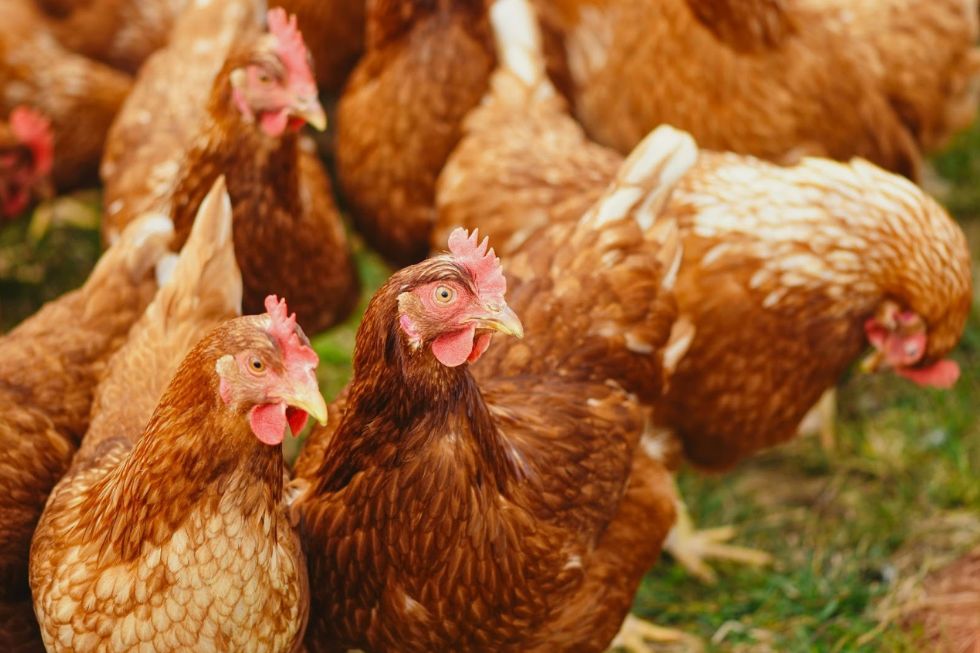
For starters, many, if not most, farmers have already adjusted their practices to comply with state laws like California’s. Major retailers like McDonald’s and Costco have adopted similar requirements. Killing a seven-year-old law by federal fiat threatens to invalidate those investments at a time when many independent producers are already struggling. It would also cut off a valuable market niche for small farmers who practice more traditional animal husbandry.
Corporate power and the cost to small farmers
The truth is: these bills don’t protect American farmers — they empower China-owned companies like Smithfield Foods to strike down state laws they don’t like. A new study from Harvard found that hundreds of state laws could be at risk if “Save Our Bacon” passes, including those related to food quality and safety regulations. It concludes, in part, that passing this legislation could “put small and local farmers who benefit from state standards at a disadvantage.”
Truer words were never spoken. Overreaching fixes like the “Save Our Bacon” Act are nothing more than the machinations of large, corporate interests trying to protect their bottom lines. These companies can well afford to shoulder the small burdens of complying with sovereign-state requirements — not to mention the costs of restructuring their operations in the event that those requirements are removed. But small and independent farms are in a different position, and they look askance at big producers’ apparent strategy of endless litigation and legislative pressure to prop up their business practices.
The Supreme Court has now considered (and rejected) no fewer than three legal challenges to Proposition 12. On the legislative front, previous iterations like the Ending Agricultural Trade Suppression Act (EATS) Act failed to advance in Congress, yet the same zombie legislation persists under different names. If trade groups and policymakers spent as much time working proactively for the interests of all farmers rather than doing the dirty work of the biggest operators, we might not be in the position of having to endlessly extend the 2018 Farm Bill for want of a legislative consensus.
Democracy, diversity and agricultural freedom
Whether you agree with state farm animal welfare laws or not, they were passed democratically and reflect the values of American citizens in their respective states — just as laws addressing food, health and safety in my home state of Alabama reflect the values of voters here. In a nation as diverse and regionally distinct as the US, one-size-fits-all dictates from Washington are rarely the right answer. States should remain free to innovate, to test new models and to protect their citizens as they see fit.
If Congress ends up passing a Farm Bill — “skinny” or otherwise — there are a number of good policy suggestions floating around that might merit inclusion. Federalizing agriculture with a Washington, DC, power grab isn’t one of them.
[Kaitlyn Diana edited this piece.]
The views expressed in this article are the author’s own and do not necessarily reflect Fair Observer’s editorial policy.
France Sacrifices Evidence for Emotion in New Pesticide Policy
France recently passed the Duplomb law, which allowed limited use of a banned pesticide in an effort to tackle increasing...
How US States Can Protect the Environment From Federal Rollbacks and Intervention
US President Donald Trump’s environmental rollbacks have sparked a constitutional clash over states’ rights, prompting governmental resistance. Democratic-led states are...

Land Reform Can Transform India’s Economy
Restrictions on land leasing and ownership have prevented India's agricultural industry from realizing its full potential.
Support Fair Observer
We rely on your support for our independence, diversity and quality.
For more than 10 years, Fair Observer has been free, fair and independent. No billionaire owns us, no advertisers control us. We are a reader-supported nonprofit. Unlike many other publications, we keep our content free for readers regardless of where they live or whether they can afford to pay. We have no paywalls and no ads.
In the post-truth era of fake news, echo chambers and filter bubbles, we publish a plurality of perspectives from around the world. Anyone can publish with us, but everyone goes through a rigorous editorial process. So, you get fact-checked, well-reasoned content instead of noise.
We publish 3,000+ voices from 90+ countries. We also conduct education and training programs
on subjects ranging from digital media and journalism to writing and critical thinking. This
doesn’t come cheap. Servers, editors, trainers and web developers cost
money.
Please consider supporting us on a regular basis as a recurring donor or a
sustaining member.
Will you support FO’s journalism?
We rely on your support for our independence, diversity and quality.





Comment