





Since the global financial crisis of 2007–2009, the UK economy has faced severe challenges. These issues worsened with Brexit in 2016, which sparked significant political and economic instability. The COVID-19 pandemic further strained resources, leaving the British economy weakened and in need of strong fiscal direction. In recent years, political deadlock made it difficult for any administration to address these issues effectively, leading to a decline in public investment and economic growth.
Labour’s Chancellor of the Exchequer, Rachel Reeves, is now taking action. On October 30, she introduced a post-Brexit budget aimed at tackling Britain’s structural deficits while fostering economic growth. Reeves’s goal is to put the UK back on a steady financial path by raising revenues and directing funds toward essential services and infrastructure. Her budget includes £40 billion ($52 billion) in new tax measures alongside targeted investments.
The budget reflects two competing priorities: increasing growth by stimulating investment and balancing government finances. The UK has been operating with persistent deficits, and the outgoing Conservative government left Labour with a £22 billion ($28 billion) overspend, adding pressure to address the country’s long-standing issues.
Key budget measures
Reeves’s budget introduces a series of tax increases aimed at generating revenue to meet Britain’s immediate fiscal needs. The UK Treasury collects roughly £800 billion ($1 trillion) annually, but economists estimate an additional £20-30 billion ($26-39 billion) is required to achieve a stable economy. Reeves’s budget takes steps to bridge this gap.
Significant tax changes include:
- National insurance contributions: Employers will see increased rates starting in April 2025.
- Capital gains tax: The lower rate will increase from 10% to 18%, while the higher rate moves from 20% to 24%.
- Private school fees: VAT will apply from January 2025, and these schools will lose business rates relief from April 2025.
- Stamp duty land surcharge: The rate on second homes will increase from 2% to 5%.
- Employment allowance: Relief for smaller companies will increase from £5,000 ($6,400) to £10,500 ($13,500)
- Private equity taxation: Tax on managers’ profit shares will rise from 28% to 32%.
- Corporate tax rate: The main rate will stay at 25% for businesses with profits over £250,000 ($320,000) until the next election.
On the spending side, Reeves allocated £22.6 billion ($29.1 billion) to the healthcare sector and £5 billion ($6.4 billion) to housing investment. She also secured funding to extend the High Speed 2 (HS2) railway to London Euston, enhancing transport connectivity across the country. This investment aims to promote growth by addressing years of underinvestment in essential infrastructure.
Will it work?
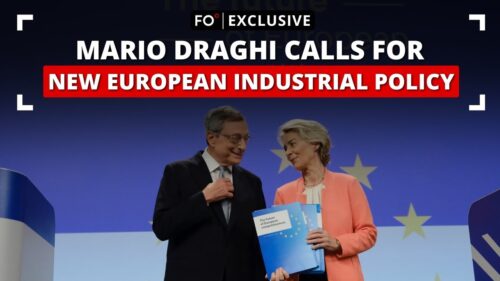
Britain’s budget deficit and low investment levels echo the issues faced across Europe, with the EU also struggling to maintain competitiveness. According to Mario Draghi’s recent report to the European Commission, the EU’s investment rate of 22% of GDP is insufficient for sustainable growth. The UK has an even lower investment rate, barely surpassing 20% over the past 50 years, often ranking lowest in the G7.
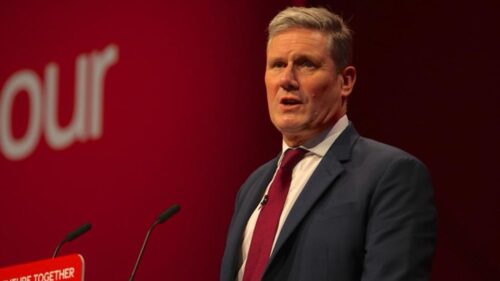
British Prime Minister Keir Starmer has responded to this investment gap by prioritizing wealth creation. Speaking at an international summit, Starmer emphasized the need to attract private investment to support industries where the UK has a competitive edge, such as creative services, legal and accounting sectors and luxury manufacturing. Starmer has appointed an entrepreneur as investment minister to ease business relations and streamline regulation. However, some business leaders are wary of the government’s new interventionist policies and increased payroll costs. Executives of listed companies have been selling shares at double the rate seen before Labour took office, reflecting concerns over rising wages, expanded employee rights, and growing administrative burdens.
The UK's attempts to balance its welfare state with economic growth will serve as a test case for other European economies facing similar post-globalization challenges. While the United States benefits from cheap energy and a flexible labor market, European countries, including the UK, must find ways to compete on the global stage with limited resources. How Britain navigates this delicate balance will be closely watched across Europe. If successful, Reeves’s budget could provide a framework for European governments to address similar structural issues, particularly as the EU faces its own struggles to adapt to global economic shifts.
[Anton Schauble wrote the first draft of this piece.]
The views expressed in this article/video are the author’s own and do not necessarily reflect Fair Observer’s editorial policy.







































Comment