





[Though this video is not recent, the authors’ discussion remains relevant today.]
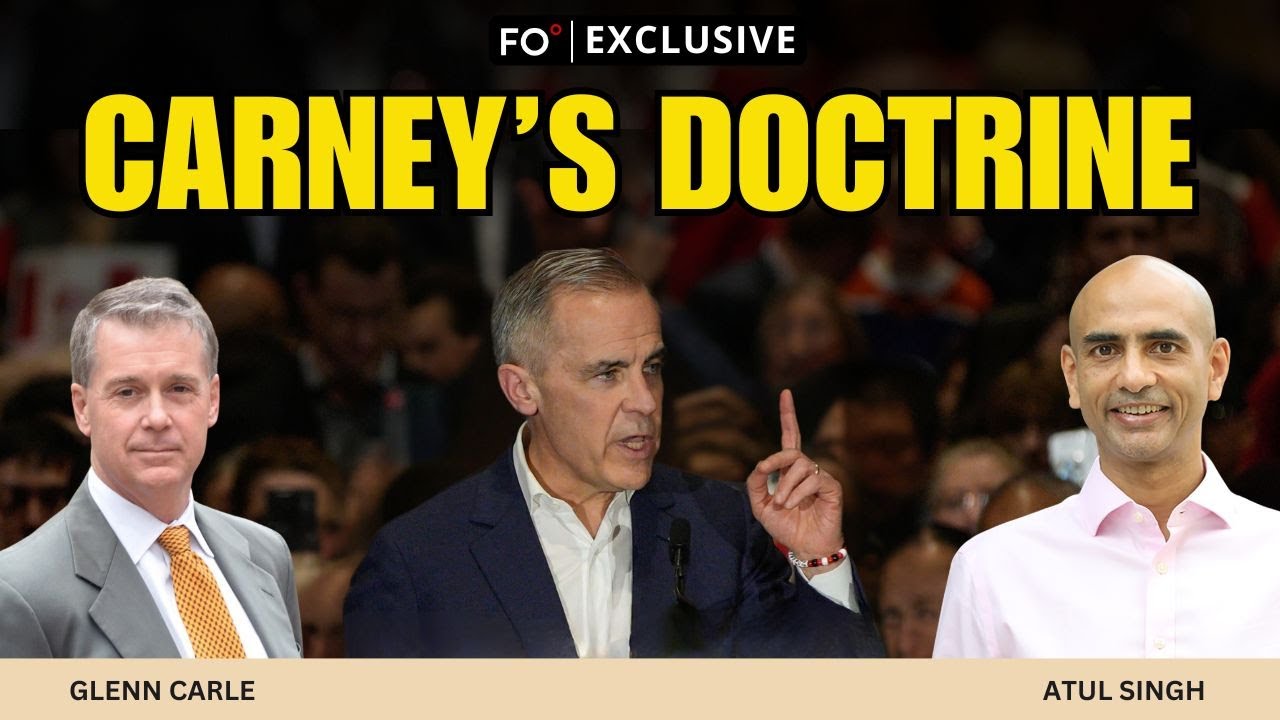
Fair Observer Founder, CEO & Editor-in-Chief Atul Singh and retired CIA Officer Glenn Carle debate whether the US federal debt is truly an economic threat or an overblown worry. The discussion contrasts conventional alarmist views with a more nuanced economic perspective, touching on deficit projections, the role of the dollar, immigration and long-term growth trends.
The conventional alarm
Atul outlines the prevailing Republican view that US debt poses, in Glenn’s words, “almost an existential crisis” to the economy and society. He cites the Congressional Budget Office (CBO)’s Budget and Economic Outlook 2024–2034, which projects the deficit rising from $1.6 trillion in 2024 to $2.6 trillion by 2034 — over 6% of the GDP, a level exceeded only during major crises. The CBO warns of unsustainable trends and calls for fiscal adjustments through spending cuts, tax increases or both.
Atul notes, however, that Republicans often campaign on deficit concerns yet fail to reduce it in practice. The deficit remains “high,” “structural” and “perpetual.”
Glenn’s rebuttal: context and currency power
Glenn agrees with the numbers but calls them “misleading.” He argues that the United States differs from countries that have faced debt crises because it issues debt in its own currency — the world’s reserve currency, the US dollar — and owes much of it to itself. This, he says, makes the threat far less severe. The much-discussed 2039 crisis point would require only a 2.1% GDP adjustment in revenues and spending, hardly existential.
Growth, immigration and the deficit
Glenn believes steady economic growth can resolve the debt issue, with immigration as a critical driver. Immigrants boost tax revenues and GDP, making them, in his view, an “overwhelmingly positive” economic force.
Atul acknowledges their dynamism but warns of pressures on social services and cultural adjustment challenges. Glenn counters that immigrants historically assimilate over three generations and contribute more in taxes than they consume in services, making them essential to sustaining long-term US growth.
Econ0mic performance: optimism vs. caution
Glenn highlights strong post-2022 results: five million new jobs, record-low unemployment, narrowing racial income gaps, rising real wages and a boom in infrastructure and industrial investment. Inflation has fallen sharply, though food costs remain a burden.
Atul praises the achievements but reminds Glenn of the side effects from the Inflation Reduction Act, including protectionism and an ongoing cost-of-living crisis. Glenn maintains that the “broad sunlit uplands” of US growth outweigh the storm clouds, so to speak; he argues that debt fears are more about political agendas than economics.
The dollar and seigniorage
The discussion closes on the dollar’s status as the world’s reserve currency, attracting capital during global instability. Atul explains seigniorage — the economic benefit from issuing the world’s primary currency — but highlights that it is not permanent. A structurally sound economy, not overreliance on currency status, is essential to maintaining long-term stability.
[Lee Thompson-Kolar edited this piece.]
The views expressed in this article/video are the author’s own and do not necessarily reflect Fair Observer’s editorial policy.




























Comment