





Editor-in-Chief Atul Singh and retired Swiss diplomat Jean-Daniel Ruch discuss US President Donald Trump’s “Art of the New Deal.” The conversation examines a decisive shift in American foreign policy away from the post-World War II rules-based order toward a system grounded in power, resources and coercion. Anchored in the US national security strategy released in December 2025, the discussion ranges from Venezuela and the revival of the 1823 Monroe Doctrine to Greenland, the Arctic and the erosion of state sovereignty itself.
The Art of the New Deal
Ruch frames Trump’s approach as a move from science to art. Unlike rules, art is unpredictable, and unpredictability has become a defining feature of American strategy. Trump’s background in real estate privileges deal-making over law, interests over values and force over ideology. The new US security strategy, released on December 4, 2025, marks what Ruch calls a “strategic break with the past,” abandoning democracy promotion and moral language in favor of raw power relationships.
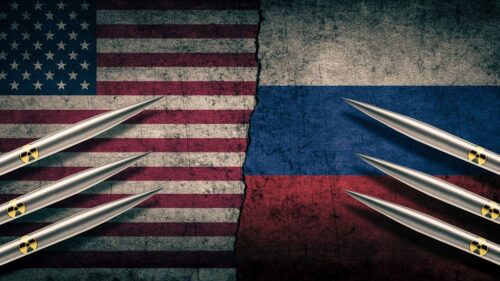
Under this framework, Russia and China are no longer treated primarily as enemies. China is defined as an economic competitor, while Russia is described as a difficult partner with whom a new strategic stability must be found. What stands out most, however, is the absence of any ideological framing. As Ruch puts it, “This is a sheer force–power relationship … defining the world under Trump’s Art of the New Deal.”
Ruch notes that even the language of a “rules-based order” has disappeared. He has long disliked the term, arguing that it often serves as a substitute for international law rather than a commitment to it. In Trump’s version, even that pretense has vanished.
Venezuela and the return of empire politics
The US Operation Absolute Resolve in Venezuela serves as the clearest test case of this new doctrine. The raid that led to the capture of Venezuelan President Nicolás Maduro is discussed as both tactically impressive and strategically uncertain. Ruch acknowledges its military effectiveness, describing it as “tactically … a brilliant operation,” while questioning whether it can deliver long-term stability or legitimacy.
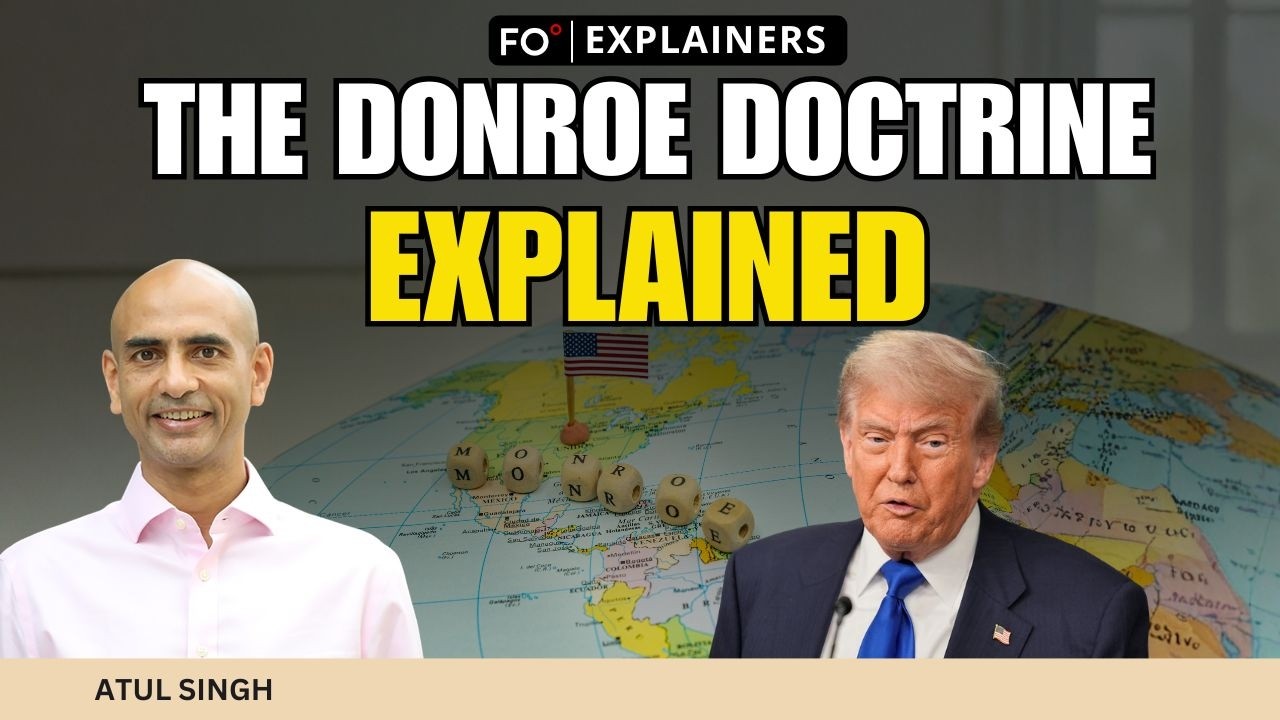
From Ruch’s perspective, the legal justification offered by Washington is deeply flawed. International law allows the use of force only through UN Security Council authorization or legitimate self-defense against an imminent threat. Venezuela, he argues, posed no such threat. The real objective was geopolitical: reasserting American dominance in the Western Hemisphere and signaling the revival of a 21st-century Monroe Doctrine, jokingly referred to by the speakers as the “Donroe doctrine.”
Energy looms large in this analysis. Venezuela holds the world’s largest proven oil reserves, and Ruch links the operation to broader concerns about the weakening of the petrodollar. As more energy transactions move into non-dollar currencies, American financial power faces erosion. Control over oil markets, Ruch suggests, functions as a form of collateral underpinning US debt and global influence.
Greenland, resources and the Arctic scramble
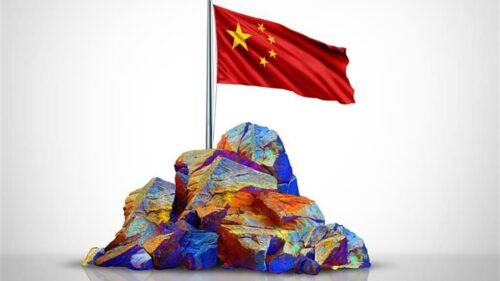
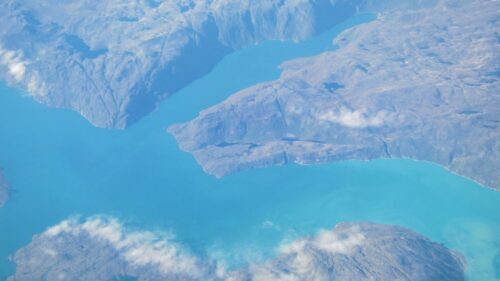
The conversation then turns northward to Greenland, which Trump has declared vital to US national security. Ruch outlines two primary drivers: resources and trade routes. China controls roughly 90% of rare earth production and refinement, a vulnerability Trump has openly acknowledged. Rare earths are essential to consumer technology and advanced weapons systems.
The second factor is the Arctic itself. Melting ice is opening new maritime routes, while Russia has built a dominant fleet of icebreakers and expanded its Arctic presence. Greenland is both a gateway to these routes and a strategic platform for surveillance and control.
Ruch recounts a diplomatic simulation he ran with students, which produced a straightforward compromise: expanded US military access and mining rights in exchange for infrastructure investment and revenue sharing. The problem, he argues, lies in tactics. Trump’s reliance on threats and intimidation may undermine precisely the kind of deal he claims to favor. In a stark hypothetical, Ruch observes that if the US simply seized Greenland, Denmark would have little recourse.
A pre-Westphalian world and internal US fractures
Ruch situates these developments in a longer historical arc, arguing that the international system created by the 1648 Treaty of Westphalia is unraveling. Weak and fractured states, from Syria and Lebanon to Sudan and Libya, are increasingly vulnerable to dismemberment by stronger neighbors. In such a world, sovereignty loses meaning and legitimacy follows power.
This dynamic, Ruch warns, creates a “blank check” for expansionist behavior. If Russia can annex parts of Ukraine, why should China not move on Taiwan or North Korea? Why should regional powers refrain from carving up failing states?
The conversation closes with a discussion of internal American divisions. Ruch suggests a growing rift between Trump’s top policymakers and elements of the security establishment, often labeled the deep state. Public clashes, including comments by US Director of National Intelligence Tulsi Gabbard following intelligence leaks about Russia, reveal visible undercurrents within US foreign policy.
Despite the bleak diagnosis, Ruch ends on a cautious note of optimism. He hopes that the three major powers — the United States, China and Russia — can eventually negotiate a new framework that restores predictability. For now, however, Singh concludes that the world Trump’s New Deal is shaping is unmistakably VUCA: volatile, uncertain, complex and ambiguous.
[Lee Thompson-Kolar edited this piece.]
The views expressed in this article/video are the author’s own and do not necessarily reflect Fair Observer’s editorial policy.


























Comment